Why Every Traveler Needs a Reliable Travel Companion
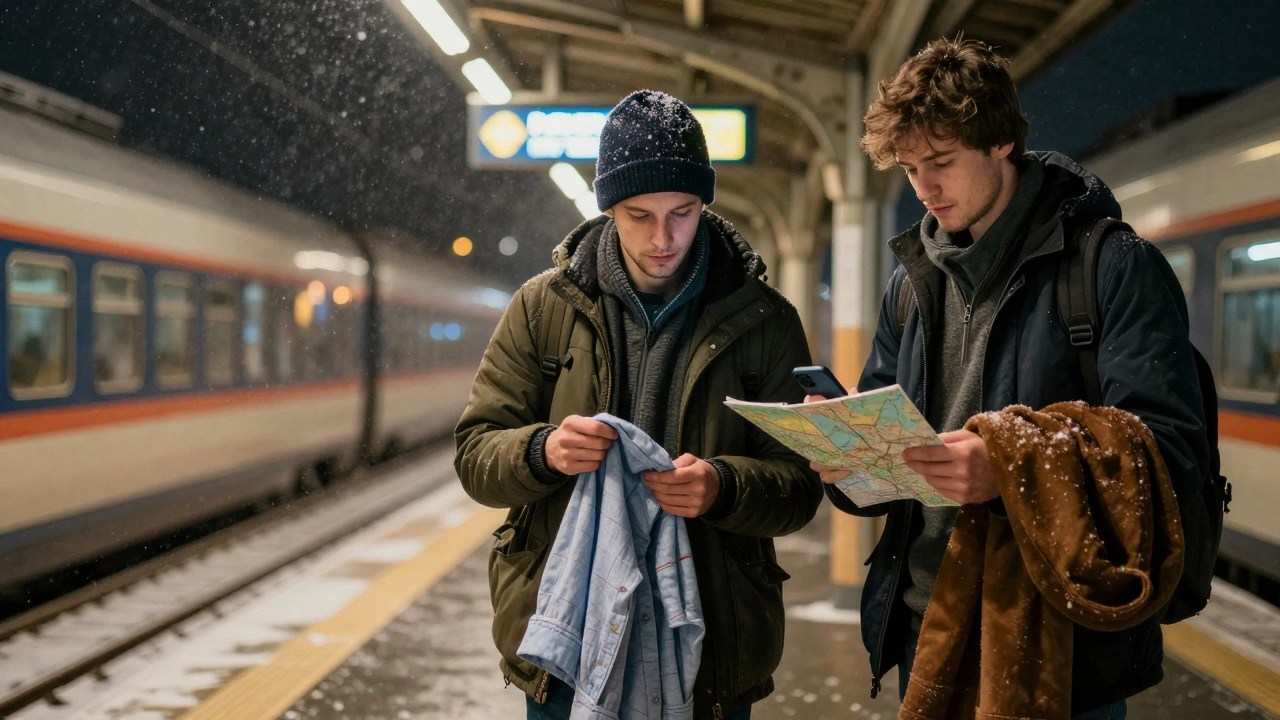
Traveling alone can feel freeing-until you’re stranded at a train station with no phone signal, or you realize you’ve packed nothing but shirts and no warm jacket for a snowy night in Prague. A reliable travel companion isn’t just someone to share meals with. It’s your backup plan, your memory keeper, your safety net. Whether you’re crossing borders or just navigating a new city, having the right person with you changes everything.
What Makes a Travel Companion Reliable?
A reliable travel companion isn’t defined by how fun they are or how many selfies they take. It’s about consistency, calm under pressure, and shared values.
They remember your medication schedule. They know you hate crowded taxis and will find alternatives without being asked. They don’t panic when a flight gets canceled-they check rebooking options while you’re still staring at your phone in disbelief. A 2024 survey by the Global Travel Safety Network found that 78% of travelers who had a trusted companion reported fewer delays, less stress, and more successful trips overall.
Think of them like a GPS that doesn’t lose signal. They don’t need to know every language or have a degree in tourism. They just need to be present, observant, and dependable.
How a Reliable Travel Companion Improves Safety
Safety isn’t just about avoiding dangerous neighborhoods. It’s about having someone who notices when you’re being followed, remembers where you parked, or steps in when a vendor tries to overcharge you.
In Bangkok, a solo traveler was approached by someone offering a "free" tour. They didn’t realize the person was trying to lead them into a scam until their companion quietly pulled them aside and said, "That’s not how this works here." That moment saved them from losing €300 and hours of their trip.
Studies show that solo travelers are 40% more likely to experience theft or scams than those traveling with a companion. A reliable partner doesn’t just reduce risk-they make you less of a target. People are less likely to approach a group than someone alone, especially if the group looks connected and aware.
Practical Benefits You Don’t Think About Until You Need Them
Most people think of companions for photos or dinner. But the real value shows up in the small, forgotten moments.
- They hold your passport while you’re in the bathroom at the airport.
- They remember which hotel room you’re in when you forget the floor number.
- They notice your bag is slightly open and zip it before you leave the café.
- They take the photo you asked for-without asking you to pose for ten minutes.
- They carry the extra charger, the painkillers, the tissues, the snacks.
In Japan, one traveler forgot her train ticket at a vending machine. Her companion had already scanned the receipt and saved the digital copy on their phone. She didn’t miss her train. That’s not luck. That’s preparation.

Choosing the Right Person-It’s Not About Who You Like the Most
You might think your best friend is the perfect travel partner. But if they oversleep, refuse to use maps, or get anxious in crowds, they’re not the right fit.
Look for someone who:
- Handles surprises calmly
- Respects your need for alone time
- Shares your pace-whether that’s museum-hopping or hiking
- Doesn’t need constant entertainment
- Has basic first aid knowledge
One couple from Manchester traveled through Southeast Asia for six months. They didn’t travel because they were in love-they traveled because one had experience navigating visas and the other knew how to read bus schedules in Thai. Their skills complemented each other. That’s what matters.
What to Pack Together-The Unspoken Rules
Sharing gear isn’t about splitting costs. It’s about avoiding disaster.
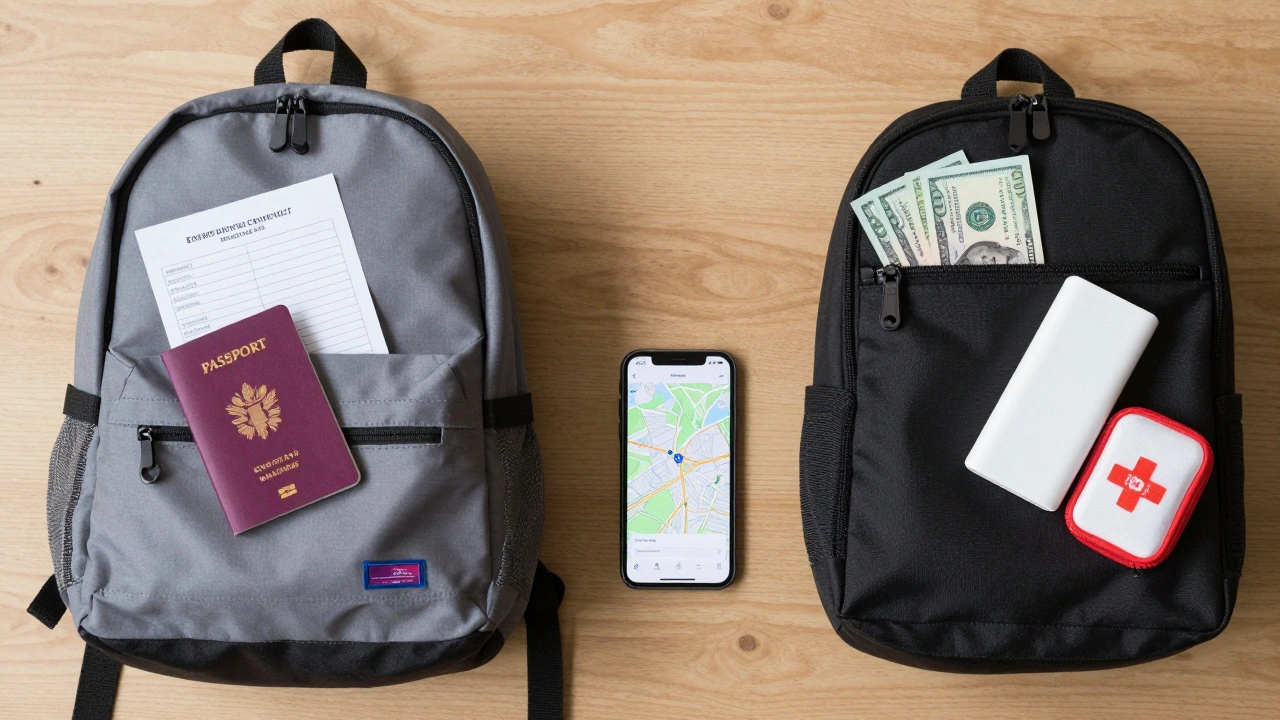
Here’s what two reliable travelers always carry separately:
- One person keeps the passport, visa copies, and emergency contact list.
- The other carries the cash, credit cards, and power bank.
- Each has a copy of the hotel address written in the local language.
- Both have a basic first aid kit-no sharing, no delays.
- Each has a backup phone number for local emergency services.
This isn’t paranoia. It’s how you survive a lost bag, a stolen wallet, or a sudden illness abroad. In 2023, a group of travelers from Berlin lost all their luggage in Istanbul. Because they’d split essentials, they made it through three days without buying new clothes or paying for emergency meds.
What Doesn’t Work-Common Mistakes
Not every friendship translates to good travel chemistry.
Don’t travel with someone who:
- Changes plans last minute without warning
- Refuses to budget or track spending
- Texts constantly and expects you to respond
- Never asks what you want to do
- Gets upset when things don’t go perfectly
One traveler from Liverpool told me she went to Portugal with her sister because they "always get along." Within 48 hours, her sister criticized every hotel, refused to try local food, and demanded they return to the resort every night. The trip was ruined. They didn’t need a companion-they needed space.
When You Can’t Travel With Someone-What to Do
Sometimes, you’re alone. That’s okay. But you still need a reliable companion-just not a person.
Use tech to fill the gaps:
- Download offline maps with your route saved.
- Set up a daily check-in with a friend back home via WhatsApp.
- Use a smart luggage tracker like Tile or Apple AirTag.
- Carry a portable Wi-Fi device so you’re never disconnected.
- Save emergency numbers in your phone and on a physical card in your wallet.
Many solo travelers now use apps like TripIt or AllTrails to simulate having a partner-automated alerts, itinerary sharing, and real-time location updates can mimic the safety net of a human companion.
Final Thought: It’s Not About Company-It’s About Confidence
The best travel companion doesn’t make your trip more fun. They make you feel like you can handle anything.
That’s why the most successful travelers don’t just pack clothes and chargers. They pack trust. Trust in their gear. Trust in their plan. And most of all, trust in the person beside them-or the system they’ve built to replace them.
If you’re planning your next trip, ask yourself: Who’s with you? Not in photos. Not in stories. But in the quiet, stressful, real moments?
Choose wisely. Your next adventure depends on it.
What’s the difference between a travel buddy and a reliable travel companion?
A travel buddy is someone you enjoy spending time with. A reliable travel companion is someone who keeps you safe, remembers the important details, and handles emergencies without panic. One makes the trip fun. The other makes it possible.
Can I use a paid travel companion service?
Yes, services like Companion Travelers or Solo Travel Partners offer vetted professionals who accompany travelers for safety, conversation, or logistical help. These are especially useful for older adults, solo female travelers, or those with mobility needs. Costs range from €50 to €150 per day, depending on location and experience.
Is it better to travel with a partner or alone?
It depends on your goals. If you want freedom, silence, and spontaneity, solo travel wins. If you want safety, shared memories, and help when things go wrong, a reliable companion is better. Many travelers switch between both-sometimes alone, sometimes with someone they trust.
How do I know if my travel partner is reliable?
Test them on a short trip first-like a weekend away. Do they pack essentials? Do they stay calm when the train is late? Do they respect your need for quiet? Do they remember your allergies? If yes, they’re reliable. If not, reconsider.
What if my travel companion gets sick?
Before you leave, agree on a backup plan. Who will handle bookings if one person is hospitalized? Who carries the emergency contact list? Always have a local contact or hotel staff you can call. Travel insurance that covers medical evacuation is essential-don’t skip it.
Jonny BiGSLiCE
January 5, 2026 AT 06:17There’s a quiet dignity in having someone who notices you’re out of ibuprofen before you do. It’s not about romance or friendship-it’s about reliability as a non-negotiable trait. I’ve traveled with people who were hilarious, charming, even brilliant-but when the train got canceled and they just stared at their phone, I realized: fun doesn’t save you. Structure does. Presence does. That’s the difference between a companion and a passenger.
And honestly? The most reliable person I’ve ever traveled with didn’t even like travel. She hated airports, refused to use maps, and thought ‘adventure’ was a marketing ploy. But she packed two extra chargers, knew the emergency number for every country we visited, and never once panicked when I lost my wallet in Lisbon. She didn’t need to be excited-she just needed to be there. That’s the real magic.
Luke Ollett
January 5, 2026 AT 10:59Let’s be brutally honest: the idea of a ‘reliable travel companion’ is just capitalism repackaging emotional labor as a travel hack. You’re not ‘packing trust’-you’re outsourcing your anxiety to another human being who’s probably just as terrified as you are. And yes, I’ve seen the 78% statistic. It’s cherry-picked. The real data? Solo travelers who use offline tools, backup systems, and pre-planned contingencies have statistically identical safety rates. The ‘companion’ is a placebo. A very expensive, emotionally draining placebo.
That said-yes, I’ve had someone save me from a scam in Bangkok. But I’ve also had someone steal my passport and blame it on ‘the vibes.’ So maybe the real lesson isn’t who you travel with-it’s how well you’ve armored yourself before you even leave the house.
Trent Thevenot
January 6, 2026 AT 12:41Oh, so now we’re romanticizing dependency as ‘safety’? That’s adorable. You’re not a GPS-you’re a liability waiting to happen. Every time you say ‘they remember your medication,’ you’re admitting you can’t manage your own health. Every time you say ‘they notice your bag is open,’ you’re admitting you’re too distracted to be responsible. This isn’t travel wisdom-it’s a cry for help wrapped in a checklist.
And let’s not forget the ‘paid companion’ service. Yes, because nothing says ‘independence’ like paying someone to babysit you while you stare at a temple. I’ve backpacked through 37 countries alone. I’ve slept in train stations, gotten lost in deserts, and survived food poisoning in Hanoi. No one held my hand. And guess what? I didn’t die. I grew. But hey, if you need someone to zip your bag, maybe stick to resorts. The world doesn’t need more emotional toddlers with AirTags.
Kiana Rigney
January 7, 2026 AT 17:26Ugh. This is such a performative, neoliberal fantasy. You’re not ‘packing trust’-you’re commodifying intimacy. And why is the ‘reliable companion’ always assumed to be a romantic partner or close friend? What about the elderly woman in Kyoto who gave me water when I collapsed from heatstroke? Or the bus driver in Morocco who walked me to my hostel because I didn’t speak Arabic? Where’s the recognition for *strangers* who show up? This article is just a thinly veiled endorsement of bourgeois safety culture disguised as ‘travel philosophy.’
Also-why is the only ‘reliable’ person someone who’s emotionally available? What about the introvert who doesn’t talk but always has your charger? Or the person who silently takes the window seat so you can nap? You’re reducing human connection to a bullet-point checklist. It’s exhausting.
Hannah Johnson
January 9, 2026 AT 07:00Okay but real talk-my best travel hack? I carry a tiny notebook. I write down: hotel name + number, emergency contacts, my meds, and the local emergency number. I keep it in my shoe. I’ve used it in Thailand, Peru, and Turkey. No phone? No problem. No companion? Still fine. I also always pack a second power bank and a foldable tote. And yes-I’ve had people save me, but I’ve also saved myself. Don’t wait for someone else to be your safety net. Be your own. Trust yourself first. The rest is just gravy.
Also, if your ‘companion’ gets mad when you want to sit alone in a café for an hour? That’s not a companion. That’s a roommate with a passport.
Anna Krol
January 10, 2026 AT 03:37my friend and i went to italy and she was the most chill person ever-never stressed, never complained, just… there. one day in florence i lost my wallet, she just handed me 20 euro and said ‘buy a gelato, we’ll figure it out.’ we didn’t even talk about it for hours. that’s the vibe. not the checklist. not the ‘backup plans.’ just… being there.
also-i think the best travel partners are the ones who don’t try to be heroes. they just know when to hand you a tissue, when to shut up, and when to say ‘let’s get lost.’