The Ultimate Guide to Visiting Popular Museums on a Budget in London
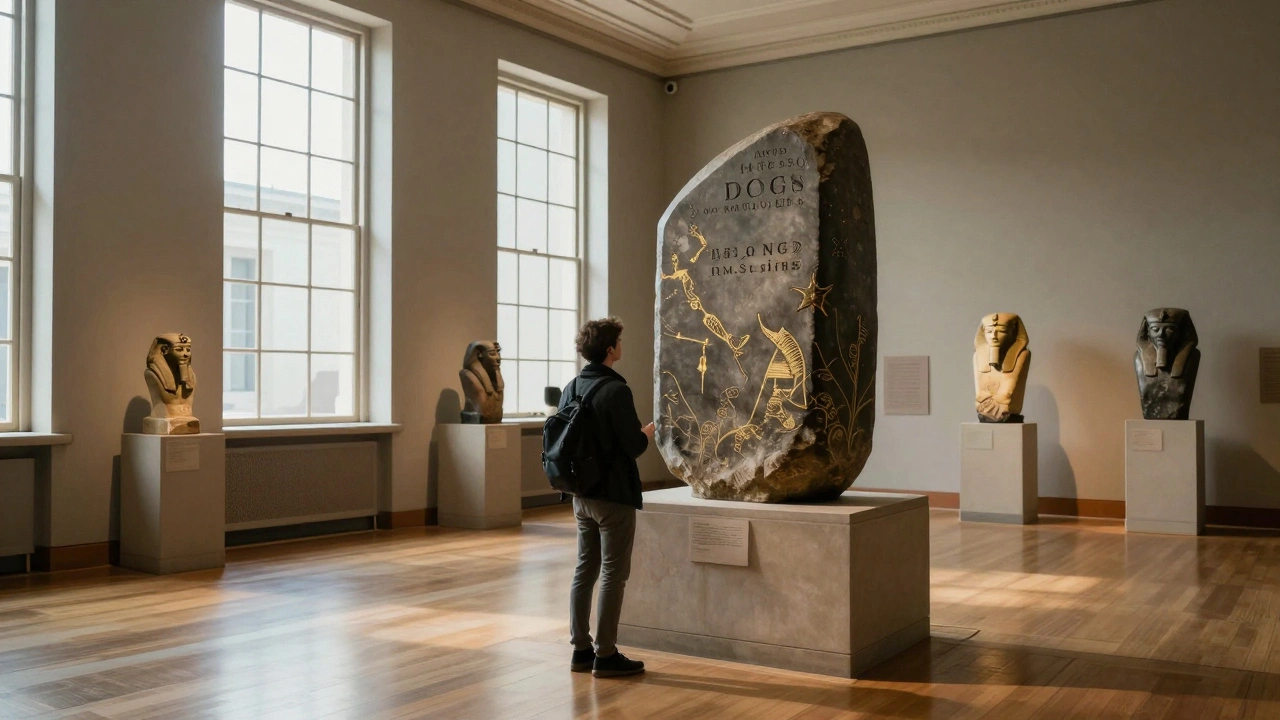
London’s museums are some of the most visited in the world-but you don’t need to spend a fortune to experience them. In fact, many of the city’s biggest cultural treasures offer free admission year-round, making London one of the most affordable capitals for art, history, and science lovers. Whether you’re a local looking to rediscover your city, a student on a tight budget, or a tourist planning your next trip, you can explore world-class collections without opening your wallet.
Free Entry Isn’t Just a Trick-It’s the Law
The UK government has mandated that national museums funded by public money must offer free general admission. This isn’t a seasonal promotion or a tourist gimmick-it’s been the standard since 2001. That means institutions like the British Museum, the National Gallery, and the Victoria and Albert Museum don’t charge for entry to their permanent collections. You’ll only pay if you want to see a special exhibition, which typically costs between £15 and £25. Skip those unless they’re something you’re truly excited about.At the British Museum, you can spend hours walking through the Rosetta Stone, the Elgin Marbles, and Egyptian mummies without spending a penny. The same goes for the National Gallery in Trafalgar Square, where you’ll find masterpieces by Van Gogh, Turner, and da Vinci. These aren’t second-tier displays-they’re the crown jewels of Western art, and they’re yours to see for free.
Plan Your Day Around Free Hours and Quiet Times
Even though entry is free, timing matters. Weekends and school holidays bring crowds. If you want space to truly look at the art or read the labels without jostling, go on a weekday morning. Most major museums open at 10 a.m., but the first hour is often the quietest. Arrive by 10:15 and you’ll have the galleries almost to yourself.Some museums offer extended hours on certain days. The Tate Modern, for example, stays open until 10 p.m. on Fridays. That’s perfect if you work during the day-you can pop in after work, enjoy the views of the Thames from the viewing terrace, and wander through the contemporary art collection under soft lighting. No ticket needed.
Use Your Oyster Card for Transport Savings
Getting around London doesn’t have to break the bank either. If you’re using public transport, load your Oyster card with a daily cap. For zones 1-2, the cap is £8.50 as of 2026. That means no matter how many museums you visit in a day-whether it’s the Science Museum in South Kensington, the Natural History Museum across the road, and the Design Museum in Shoreditch-you won’t pay more than £8.50 for unlimited travel.Pro tip: The 148 bus runs from Trafalgar Square to the Science Museum and stops right outside. It’s a scenic, slow ride, but it’s free if you have a valid bus pass or use contactless payment with the daily cap. Skip the Tube if you’re only going between nearby museums-walking between the South Kensington trio takes less than 15 minutes.
Know Where to Skip the Paid Exhibitions
It’s easy to get lured in by flashy ads for “exclusive” exhibitions. But here’s the truth: most permanent collections are far more valuable than temporary shows. At the Victoria and Albert Museum, the Fashion Gallery and the Cast Courts are stunning and completely free. The special exhibition on Balenciaga might cost £22-but you’ll forget about it by lunchtime if you’ve already spent two hours in the Renaissance rooms or the Islamic art wing.Same goes for the Tate Britain. The free collection includes Turner’s swirling seascapes, Constable’s English countryside, and works by Francis Bacon. The special show on LGBTQ+ artists might be compelling, but it’s not essential. Prioritize what’s always there.

Take Advantage of London’s Hidden Gems
Not all great museums are on the tourist trail. The Wallace Collection in Marylebone is one of London’s best-kept secrets. Housed in a historic townhouse, it holds an incredible array of European paintings, porcelain, and armor-all free. The café serves proper English scones with clotted cream, and the garden courtyard is perfect for a quiet break.Also worth a visit: the Grant Museum of Zoology at UCL. It’s tiny, quirky, and packed with weird and wonderful specimens-from a dodo skeleton to a jar of preserved moles. It’s free, rarely crowded, and feels like stepping into a Victorian curiosity cabinet.
For something completely different, head to the Museum of London Docklands. It’s free, tells the story of the Thames and the city’s trading past, and has one of the best views of Canary Wharf from its upper floor. The nearby Tower Bridge Exhibition charges £13-but you can walk across the bridge itself for free and get the same panoramic shots.
Join the Library and Get Free Events
London’s public libraries often host free museum-style talks, curator-led tours, and even guided art workshops. The British Library in St Pancras offers free exhibitions on rare manuscripts and historical documents. You don’t need a library card to enter-just walk in. Their current display on the Magna Carta is a must-see, and it’s completely free.Many museums also offer free monthly events: family-friendly storytelling at the Natural History Museum, silent discos at the Tate Modern, or sketching nights at the Wallace Collection. Check their websites under “Events” or “Free Activities.” You’ll often find these events are quieter, more intimate, and far more memorable than the standard tour.
Bring Your Own Snacks and Use the Free Water Fountains
Museum cafés are expensive. A sandwich at the National Gallery café will cost you £12. At the V&A, a coffee is £4.50. Bring your own lunch-there are always benches or quiet corners where you can eat. Most major museums now have free water refill stations, so bring a reusable bottle. You’ll save money and reduce waste.Londoners know this trick. Locals often pack a Thermos of tea and a sandwich from a local bakery like Gail’s or Bleecker Street. It’s a small habit, but it makes your museum day feel more relaxed and less like a tourist trap.
Use the Free Audio Guides
Many museums offer free audio guides through their apps. Download the British Museum app before you go-it has over 200 audio tracks, including stories from curators and historians. The same goes for the National Gallery’s app, which lets you scan QR codes next to paintings to hear in-depth analysis. No headset rental fee. No extra charge. Just your phone and curiosity.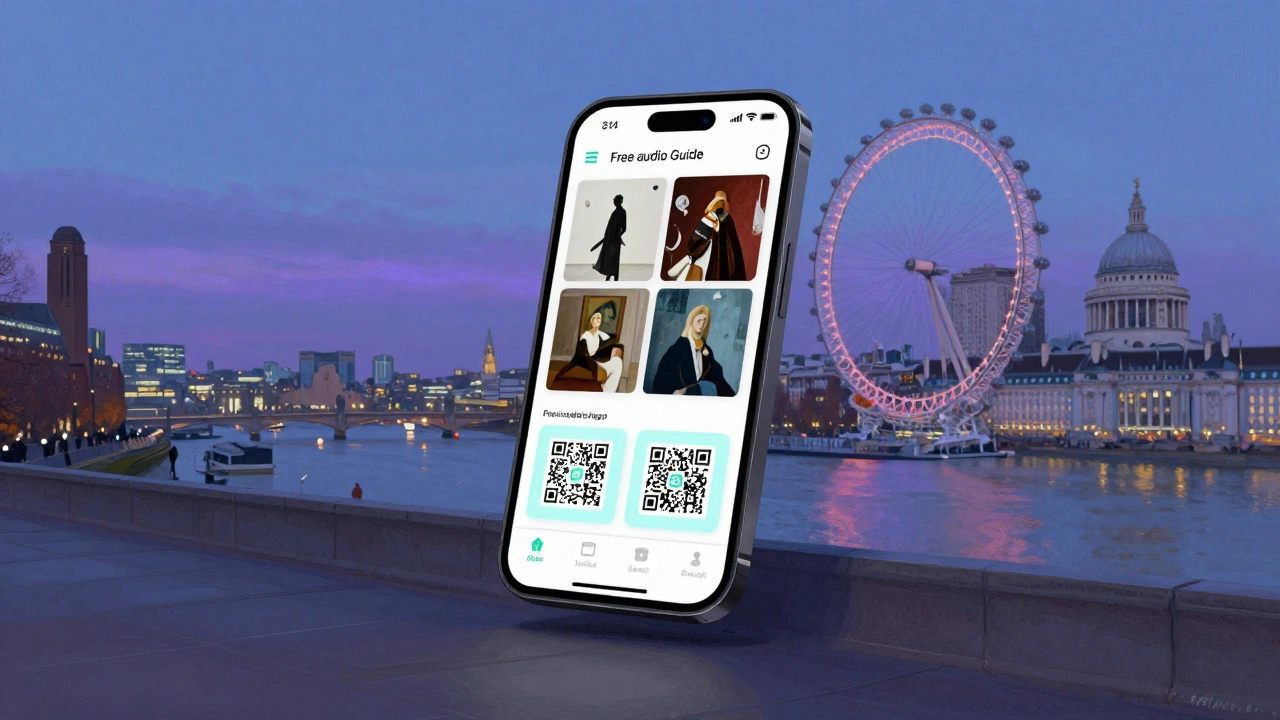
Combine Your Visit With a Free Outdoor Experience
London’s museums are often surrounded by beautiful parks. After the British Museum, stroll through Russell Square. After the National Gallery, walk along the South Bank to see the London Eye from a distance. After the Tate Modern, cross the Millennium Bridge and take in the view of St Paul’s Cathedral.Or, if you’re near the Natural History Museum, head to Kensington Gardens. You’ll find the Serpentine Galleries, which offer free contemporary art shows in a stunning garden setting. No entry fee. No lines. Just art, trees, and quiet.
What to Avoid: The Costly Traps
Don’t fall for these common traps:- Buying a London Pass-it rarely pays off unless you’re doing 5+ paid attractions in one day.
- Booking timed tickets for free museums-you don’t need them. Walk in anytime during opening hours.
- Visiting on a Saturday afternoon unless you like crowds. Weekdays are better.
- Assuming you need a guided tour. Most free audio guides are richer than paid ones.
And don’t feel pressured to see everything. One museum a day, deeply explored, is better than rushing through three.
Seasonal Perks: Free Events You Can’t Miss
London’s cultural calendar is packed with free events:- January: The British Museum hosts “Free Family Sundays” with crafts and storytelling.
- February: The National Portrait Gallery offers free late-night openings with live music.
- March: The Science Museum’s “Science in the City” festival brings free talks and demonstrations.
Sign up for museum newsletters-they send out event alerts and sometimes surprise free access days.
Final Tip: Make It a Habit
London’s free museums aren’t a one-time treat-they’re part of the city’s daily rhythm. Locals use them as living rooms, study spaces, and quiet escapes. You don’t need to be a tourist to belong there. Pick a museum you’ve never visited. Go on a rainy Tuesday. Sit by a painting. Read the story behind it. Let the history settle in. That’s what London’s free museums are really for: not to impress, but to connect.Are all London museums free to enter?
Most major national museums in London offer free general admission to their permanent collections, including the British Museum, National Gallery, Tate Modern, V&A, and Natural History Museum. You only pay for special temporary exhibitions. Smaller or privately run museums may charge, but the big ones are free by law.
Can I bring food into London museums?
Yes, most London museums allow you to bring your own food and drinks. Many have designated eating areas or quiet benches. You can’t eat near exhibits or in galleries, but you can enjoy a sandwich in the atrium or courtyard. Always check signage, but bringing your own lunch is a common and encouraged practice.
Do I need to book tickets for free museums in London?
No, you don’t need to book tickets for free general admission. Walk in anytime during opening hours. However, if you want to see a special exhibition, you’ll usually need to book in advance. Always check the museum’s website before you go to confirm if booking is required for the area you plan to visit.
What’s the best free museum in London for first-time visitors?
The British Museum is the best starting point. It’s massive, iconic, and holds some of the most famous artifacts in the world-like the Rosetta Stone and the Parthenon sculptures. It’s easy to spend half a day there, and you can explore at your own pace without any pressure. Plus, it’s right next to the British Library and Covent Garden, so you can make a full day of it.
Is the London Pass worth it for museum visits?
Almost never. The London Pass is only worth it if you plan to visit multiple paid attractions like the Tower of London, London Eye, and Madame Tussauds. Since the top museums are free anyway, you’ll likely overpay. Stick to the Oyster card and free entry-save your money for a proper pub lunch instead.

jocelyn richards
January 15, 2026 AT 10:43I still remember the first time I walked into the British Museum and saw the Rosetta Stone-no ticket, no lines, just pure magic. I cried. Not because I’m dramatic, but because I realized London doesn’t make you pay to be awestruck. That’s not a museum, that’s a gift.
And the Wallace Collection? Oh my god, the armor room alone could be its own Netflix series. I spent two hours there last winter just staring at a 16th-century helmet like it owed me money. Free. All free.
Also, bring your own scones. The café’s £6 scone tastes like regret and overpriced butter. I bring a Gail’s one wrapped in a napkin. Feels like a rebellion.
And yes, the 148 bus is a godsend. I once rode it three times in one day just to feel the wind and watch the city breathe. No Tube stress. Just freedom.
Also, the Grant Museum? Don’t skip it. The moles in a jar? That’s the real art. The rest is just fancy frames.
PS: I saw someone try to pay at the V&A entrance last week. The guard smiled and handed them a brochure. I swear, the staff are all secretly angels.
PPS: Free audio guides are the unsung heroes. I listened to a 20-minute deep dive on a Roman coin while sitting on a bench. No one noticed. I felt like Indiana Jones with Wi-Fi.
Nakia Decosta
January 17, 2026 AT 01:46Free entry is the law. No drama. No passes. Just walk in. The big ones are all free. The small ones charge. Simple.
Bring water. Walk between museums. Skip the exhibitions unless they’re about dinosaurs or space. Everything else is noise.
Bus cap is 8.50. Oyster card. Done.
Sean Jacobs
January 18, 2026 AT 13:31Let me be clear-this ‘free museum’ narrative is a carefully orchestrated state propaganda tool. The UK government funds these institutions not out of cultural generosity, but to pacify the masses with curated historical narratives that reinforce imperial nostalgia.
Did you know the Elgin Marbles were taken under colonial coercion? The British Museum doesn’t tell you that on the free audio guide. They tell you about ‘Hellenic artistry.’
And the ‘free’ water fountains? They’re installed to reduce plastic waste, yes-but also to discourage you from buying bottled drinks from corporate sponsors who fund museum ‘education’ programs.
The Oyster card daily cap? A brilliant psychological trick to make you feel like you’re saving money while still funneling your cash into the privatized transit monopoly.
They want you to believe you’re free. You’re not. You’re being gently herded through sanitized versions of history while the real power structures remain untouched.
And don’t get me started on the ‘free events.’ Silent discos at Tate Modern? That’s not culture-it’s emotional sedation.
Wake up. This isn’t generosity. It’s control dressed up as access.
Mia B&D
January 19, 2026 AT 13:17How quaint. You all seem to think that ‘free’ means ‘equal access’-but let’s be honest, the average tourist doesn’t know how to navigate the subtleties of British museum etiquette. The Wallace Collection? Darling, it’s not just ‘free’-it’s a masterclass in understated aristocracy. The porcelain alone is worth a PhD.
And the ‘free audio guides’? How pedestrian. I use the official museum apps, but only after cross-referencing with JSTOR and the Courtauld Institute’s digitized catalogues. Otherwise, you’re just consuming the sanitized version curated by the curators’ assistants.
Also, bringing your own scones? How gauche. If you’re going to the V&A, you must at least try their £4.50 Earl Grey tea. It’s the only way to properly appreciate the Chinoiserie cabinets.
And yes, I did once spend an entire afternoon in the Grant Museum just to stare at the dodo. It’s the only specimen that reminds me of the fragility of human arrogance.
PS: The London Pass is for people who think ‘culture’ is a checklist. I don’t check boxes. I inhabit them.
PPS: Typo? Oh dear. I meant ‘Chinoiserie’ not ‘Chinoiserri.’ It’s the difference between art and a bad IKEA print.
Chris Hill
January 20, 2026 AT 11:56I come from Lagos, where museums are often underfunded and inaccessible. Coming to London and seeing the British Museum open to everyone-no matter your income, your passport, your skin color-was one of the most humbling experiences of my life.
It’s not just about the artifacts. It’s about the message: knowledge belongs to all of us. Not just the wealthy. Not just the tourists. Not just the elite.
I’ve brought my nieces here from Nigeria. They sat in front of the Egyptian mummies and whispered, ‘This is ours too.’ And they’re right.
That’s why I don’t care if the Balenciaga exhibit costs £22. I’ve seen the V&A’s 18th-century African textiles-free, stunning, ignored by most. That’s the real treasure.
Bring your own lunch. Walk between museums. Talk to strangers. Ask questions. The guards know more than you think.
And yes, the Grant Museum? It’s not quirky. It’s sacred. Those moles? They’re witnesses to extinction. We owe them silence.
London’s free museums aren’t just institutions. They’re acts of radical kindness. Don’t treat them like a checklist. Treat them like a home.
Damien TORRES
January 20, 2026 AT 15:23It is imperative to recognize, from both a sociocultural and institutional standpoint, that the provision of free general admission to national museums in London represents not merely a fiscal policy decision, but rather a profound epistemological commitment to the democratization of cultural capital-a concept articulated with precision by Pierre Bourdieu in his seminal work on symbolic power and cultural reproduction.
Moreover, the legal mandate enacted in 2001, under the auspices of the Department for Culture, Media and Sport, effectively decoupled public access from monetized gatekeeping, thereby aligning the United Kingdom’s cultural infrastructure with the principles of the Universal Declaration of Human Rights, specifically Article 27, which affirms the right to participate in cultural life.
Furthermore, the strategic utilization of the Oyster card’s daily fare cap, which, as of the fiscal year 2026, is fixed at £8.50 for Zones 1–2, constitutes a microeconomic optimization strategy that maximizes mobility efficiency while minimizing marginal expenditure per cultural unit accessed-an elegant example of behavioral economics in public transit design.
Additionally, the availability of complimentary digital audio guides, which are integrated with QR-code-enabled metadata systems, provides a non-invasive, scalable, and pedagogically superior alternative to traditional guided tours, which often suffer from cognitive overload and temporal compression.
It is also noteworthy that the practice of bringing one’s own sustenance into museum premises, while seemingly trivial, is in fact a subversive act of resistance against the commodification of leisure time and the corporate colonization of public space, a phenomenon particularly prevalent in Western urban centers.
One must also consider the temporal dimension of museum visitation: the phenomenon of ‘quiet hours,’ particularly between 10:00 and 11:00 on weekdays, is not merely a logistical recommendation but a phenomenological imperative-allowing for the uninterrupted contemplation of aesthetic objects, which, as Walter Benjamin posited, requires a state of ‘aura’ unmediated by mass tourism.
Finally, the inclusion of lesser-known institutions such as the Grant Museum of Zoology and the Museum of London Docklands must be lauded as acts of epistemic pluralism, ensuring that the narratives of marginalized communities, non-human species, and colonial labor are not subsumed by the hegemonic discourse of imperial grandeur.
Therefore, to dismiss these institutions as mere ‘free attractions’ is to fundamentally misunderstand their role as civic sanctuaries of memory, critical thought, and collective identity. One does not visit a museum. One enters into dialogue with history. And that dialogue, in London, remains free.