The Evolution of Ministry of Sound’s Dance Vibe
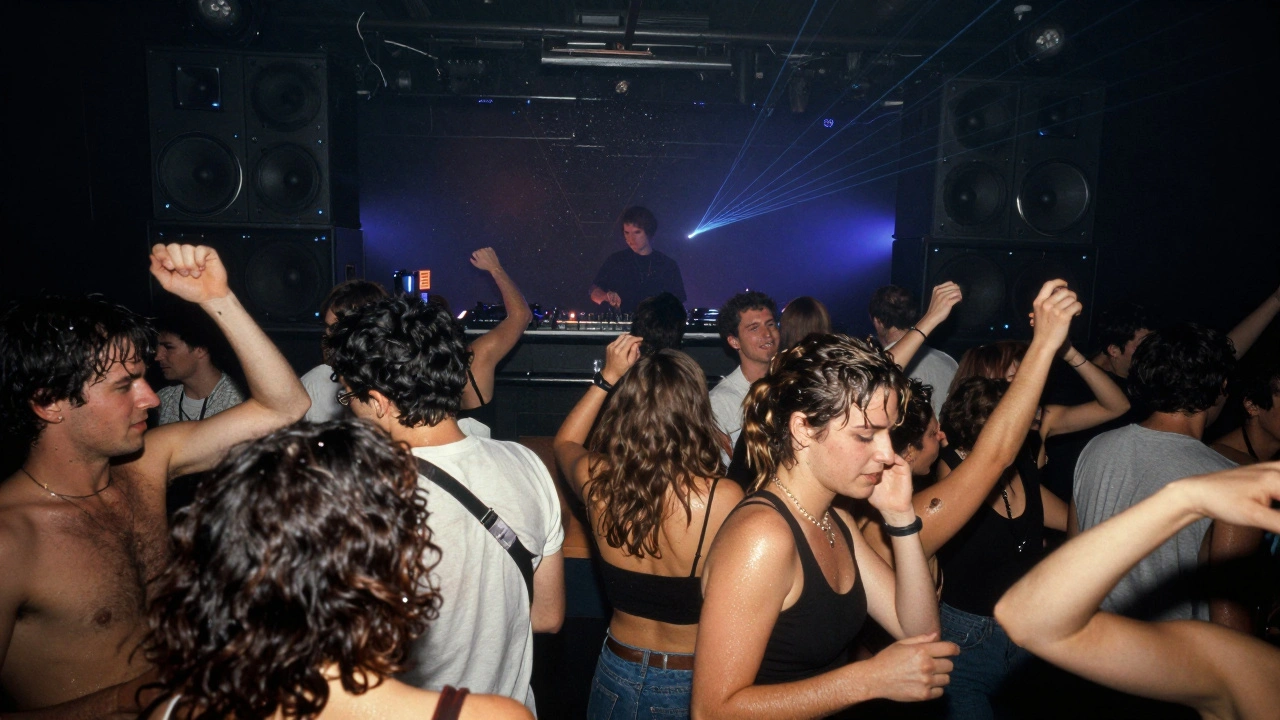
Ministry of Sound didn’t just open a club - it redefined what a dance floor could be. Since 1991, this London institution has shaped the sound, style, and soul of electronic music in the UK and beyond. It wasn’t just about loud speakers and flashing lights. It was about sound - pure, precise, and powerful. And over three decades, its vibe has shifted, expanded, and stayed true to its roots all at once.
How It All Began: A Vision Built on Sound
Ministry of Sound opened its doors on September 23, 1991, in a disused bus depot in Southwark, London. The founders - James Palumbo, Humphrey Waterhouse, and Justin Berkmann - weren’t chasing trends. They were fixing a problem: most clubs back then had terrible acoustics. Bass would rattle the walls. Highs would disappear. The music got lost. So they built a space where sound mattered more than decor. They hired experts from the film industry to design the speaker system. They installed 24,000 watts of custom-built amplifiers. The result? A room where every kick drum hit like a heartbeat, and every synth line cut through like a laser.
The first night was packed with underground DJs and early ravers. Names like Sasha, John Digweed, and Paul Oakenfold played sets that lasted 8 hours. No VIP sections. No dress code. Just music, sweat, and a room that made you feel every note. By 1992, it was already the most talked-about club in Europe.
The Golden Era: 1993-1998, When the UK Danced Together
Between 1993 and 1998, Ministry of Sound became the heartbeat of UK dance culture. House, techno, trance, and garage weren’t just genres - they were movements. And Ministry was their cathedral.
The club’s weekly residency nights became legendary. Friday nights were for progressive house. Saturday was for hardcore techno. Sunday mornings? That’s when the chill-out room opened, with ambient beats and velvet couches. People came from Manchester, Birmingham, even Dublin - not to party, but to experience something real.
Its compilation albums started selling like crazy. The first Ministry of Sound: The Annual sold 500,000 copies in 1994. By 1997, the series had sold over 3 million albums worldwide. These weren’t just mixtapes. They were soundtracks to a generation. You’d hear them in cars, at work, on headphones. The club’s influence didn’t stop at its doors.
Expanding the Vibe: From Club to Global Brand
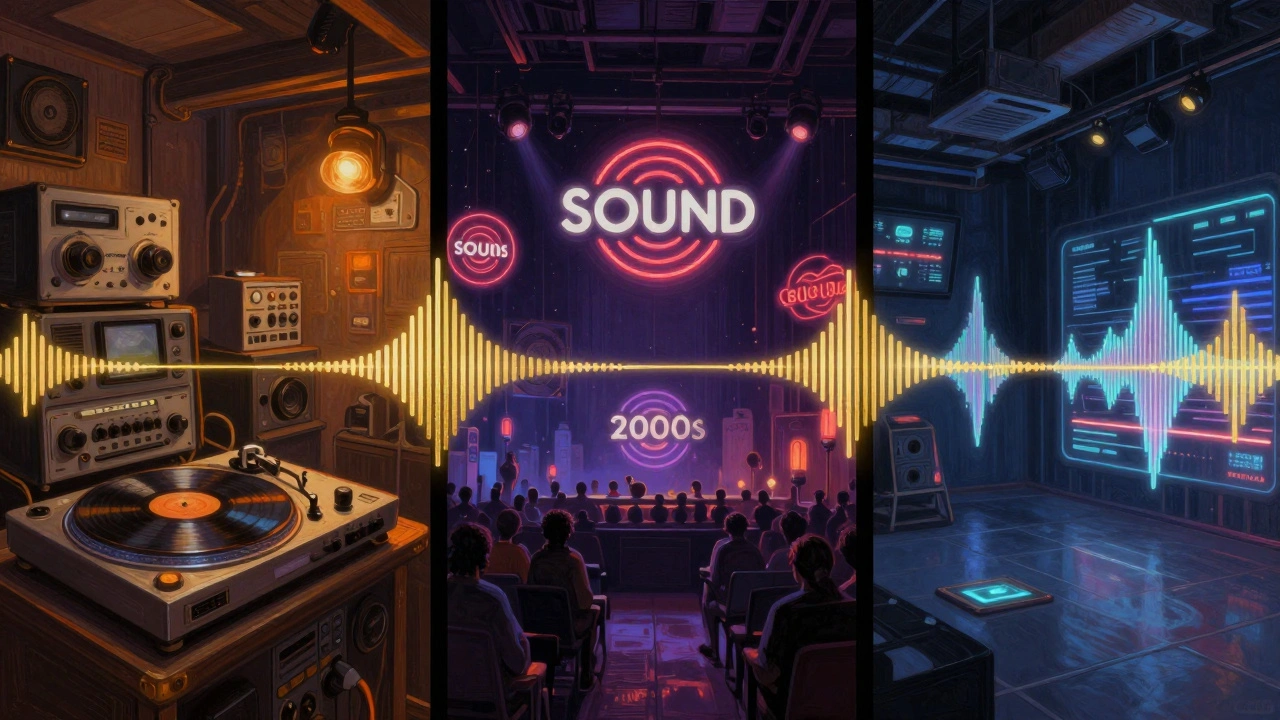
By the early 2000s, Ministry of Sound stopped being just a place. It became a brand. A label. A media company. It launched its own record label in 1999. It started streaming live sets online in 2004 - years before most clubs even had websites. It partnered with Apple to create the first official dance music playlist on iTunes.
It opened venues in Sydney, Tokyo, and Miami. It hosted festivals in Ibiza and Las Vegas. It even created a mobile app in 2012 that let fans book tables, stream sets, and vote on next week’s tracklist. But here’s the thing - none of it diluted the core. The sound system in London? Still the same 24,000 watts. Still tuned by the same engineers. Still the benchmark for every club that came after.
The Modern Vibe: 2010-2026, Where Tradition Meets Technology
Today, Ministry of Sound is a hybrid. It’s a nightclub. A music studio. A live-streaming hub. And a training ground for new DJs.
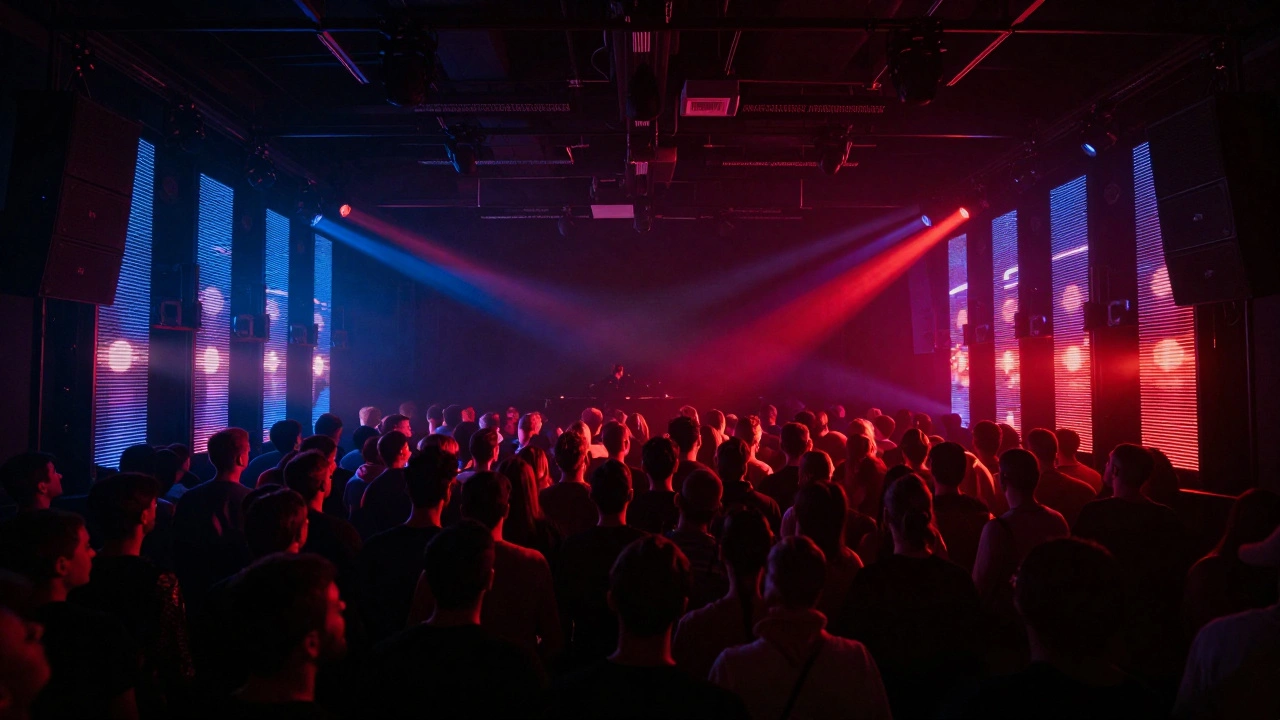
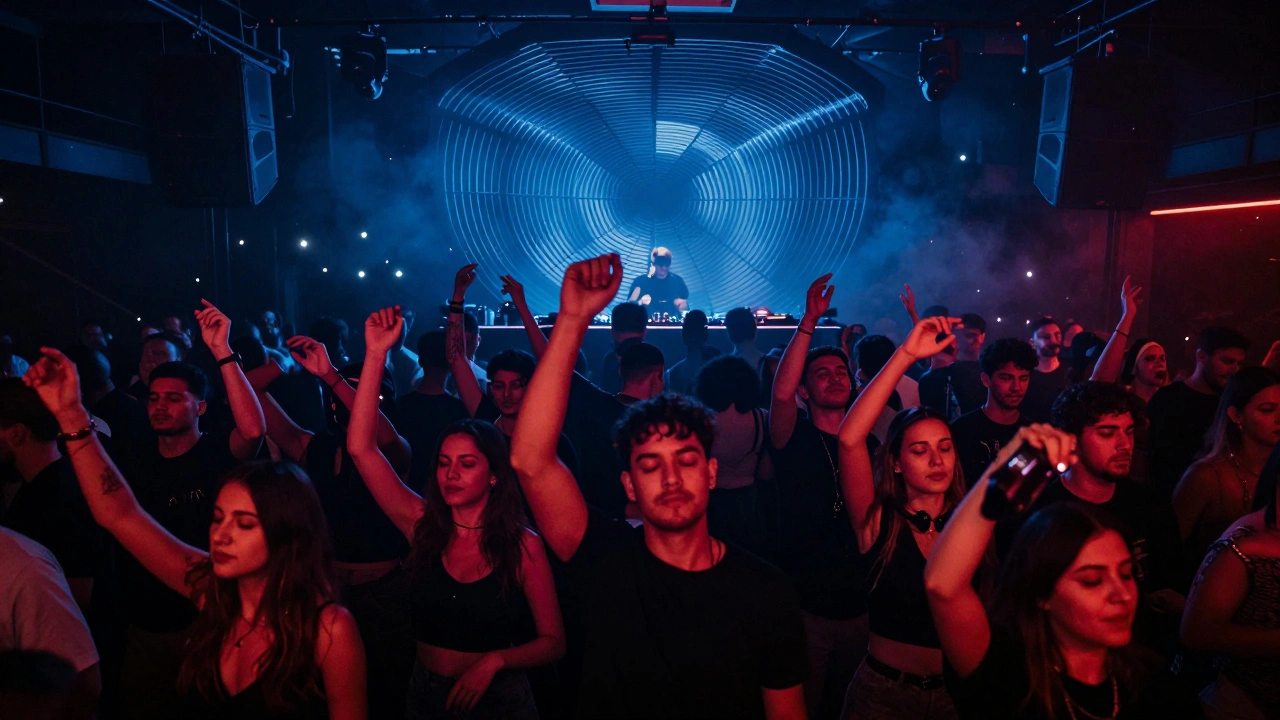
The main room still holds 2,000 people. The sound system? Upgraded, but not replaced. It now uses digital signal processing to fine-tune frequencies in real time - based on crowd density and temperature. Sensors in the floor track movement. If the dance floor gets too dense, the bass automatically adjusts so no one loses the beat.
Its weekly events still follow the old rhythm: Friday = deep house, Saturday = techno, Sunday = live sets from emerging artists. But now, those Sunday sets are broadcast live to 500,000 viewers on Twitch and YouTube. The club also runs a DJ academy. Over 1,200 students have graduated since 2018. Many now play at Tomorrowland, Defqon.1, and even Coachella.
Ministry of Sound also works with universities. In 2023, it partnered with Goldsmiths, University of London, to archive every set played since 1991. That’s over 12,000 hours of audio. It’s the largest collection of live dance music in the world.
What Keeps It Alive? The People, Not the Tech
Technology helps. But it’s not what keeps Ministry of Sound going. It’s the people.
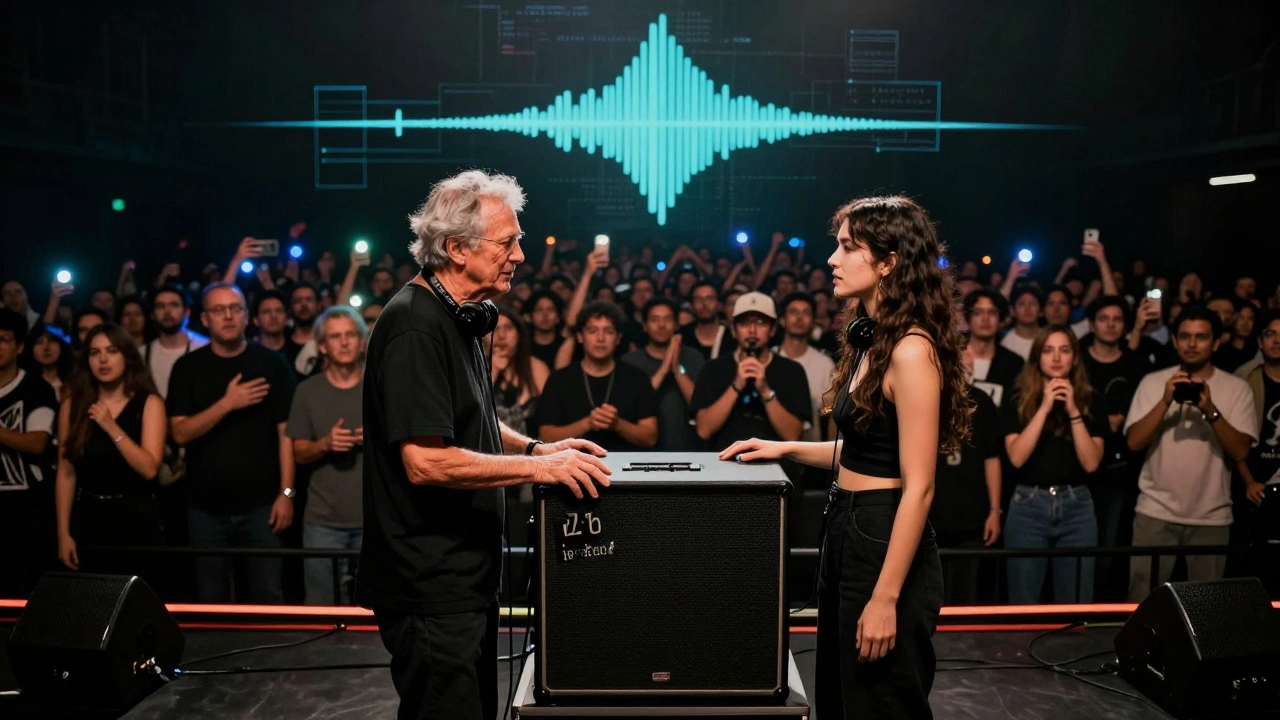
There’s the 72-year-old sound engineer who still checks the speakers before every event. He worked on the original system. He’s seen six different generations of DJs come and go. He still calls each new technician “kid.”
There’s the 19-year-old from Croydon who just got her first residency. She plays at 3 a.m. on a Tuesday. The room’s half full. But she’s on the same stage as Sasha. Same speakers. Same history.
And there’s the regulars - the ones who’ve been coming since 1993. They don’t come for the VIP bottles or the Instagram lights. They come because they remember the first time they heard a track that changed their life. And they know, somewhere under the bass, that same magic is still there.
The Legacy: Why Ministry of Sound Still Matters
Ministry of Sound never became a corporate chain. It never sold out. It never chased viral trends. It stayed obsessed with one thing: the quality of the sound, and the connection it creates.
Other clubs come and go. New venues pop up every year. But Ministry? It’s still the place where electronic music became a culture. Where sound wasn’t just heard - it was felt. Where a room full of strangers became a community.
It’s not just a club. It’s a living archive. A training ground. A beacon. And as long as there’s a beat that moves people, Ministry of Sound will still be the place where it all began - and where it still lives.
When did Ministry of Sound open?
Ministry of Sound opened on September 23, 1991, in Southwark, London. It was founded by James Palumbo, Humphrey Waterhouse, and Justin Berkmann, with a focus on creating the best possible sound system for dance music.
What makes Ministry of Sound’s sound system special?
The original system, installed in 1991, used 24,000 watts of custom-built amplifiers and acoustics designed by film industry experts. Today, it’s been upgraded with real-time digital signal processing that adjusts bass and treble based on crowd density and room temperature - but the core design remains unchanged.
How did Ministry of Sound influence global dance music?
Its compilation albums, starting with The Annual in 1994, sold over 3 million copies worldwide. It was one of the first clubs to stream live sets online, partner with Apple for curated playlists, and launch a record label. These moves helped turn underground dance music into a global phenomenon.
Does Ministry of Sound still host live DJs today?
Yes. Weekly events feature both legendary DJs like Sasha and emerging artists from its own DJ academy. Live sets are broadcast globally via Twitch and YouTube, reaching over 500,000 viewers per event. The club also trains new talent through its accredited DJ program.
What’s the connection between Ministry of Sound and technology today?
Modern sensors track crowd movement and adjust sound in real time. The club has digitized over 12,000 hours of live recordings since 1991, creating the world’s largest archive of dance music performances. It also partners with Goldsmiths University to preserve and study this collection.
Trent Curley
February 12, 2026 AT 12:14Let me tell you something - most clubs today are just Instagram backdrops with a speaker system that sounds like it’s playing through a tin can. Ministry? Nah. They built a cathedral of sound. You walk in and you don’t just hear the music - you feel it in your sternum, your molars, your goddamn fillings. That 24,000-watt system? It’s not a feature. It’s a manifesto. And the fact they still use the same engineers who built it in ’91? That’s not nostalgia. That’s reverence.
Meanwhile, every other club in the world is selling $25 cocktails and calling it a ‘vibe.’ You don’t vibe with a bottle. You vibe with a subwoofer that knows your heartbeat.
And don’t even get me started on those TikTok DJs who think a 30-second loop counts as a set. Ministry’s Sunday morning live sets? That’s where real art happens. No filters. No gimmicks. Just pure, uncut sonic truth.
Ntombikayise Nyoni
February 13, 2026 AT 08:30The sound system was installed in 1991. The amplifiers were custom-built. The acoustics were designed by film industry experts. These are facts. Not opinions. Not hype. Facts.
Also, the first compilation album sold 500,000 copies in 1994. Not 50,000. Not 5,000. Half a million. That is statistically significant. And it was not a fluke.
Gabriel Sutton
February 14, 2026 AT 20:23I’ve been to Ministry twice - once in ’97, once last year. The energy hasn’t changed. The crowd’s different - more diverse, younger, global - but the soul? Still there. That’s what’s rare. Most places evolve into something else. Ministry evolved into more of itself.
I’ve introduced friends from Brazil, Nigeria, Japan to it. They all leave the same way: quiet. Wide-eyed. Like they just witnessed something sacred. No one talks about the drinks. No one mentions the lighting. Everyone talks about how the bass made them cry. That’s the magic.
And the DJ academy? Genius. It’s not about fame. It’s about legacy. They’re not training DJs. They’re training storytellers. With sound.
Jason Parker
February 16, 2026 AT 07:40What’s wild is how they kept the core while scaling globally. Most brands would’ve turned it into a franchise - same logo, same playlist, same staff. But Ministry didn’t. They kept the original system. They kept the same tuning philosophy. They even archived every single set since day one. 12,000 hours. That’s not just preservation. That’s archaeology.
I work in audio engineering. I’ve been in studios with $2M gear. Nothing compares to what they’ve done here. It’s not about tech. It’s about intention. They didn’t build a club. They built a living instrument.
Jessica Montiel
February 18, 2026 AT 07:26Oh wow a club that didn’t sell out?? What a shocker. Next you’ll tell me they still use vinyl and the DJ wears a bowtie.
Real talk though - yeah the system’s cool. But let’s be real. Half the people there now are there because their influencer friend posted a pic with the logo. The ‘legendary’ Sunday sets? I’ve watched 3. Two were glitchy. One had someone’s cat in the frame. The crowd was 80% phones in the air. You call that connection? I call it a livestreamed rave with extra steps.
Natalie Norman
February 19, 2026 AT 04:24I cried when I heard that the club still uses the original engineers. I mean - really. A 72-year-old man checking speakers like it’s his job? That’s not a job. That’s love. That’s devotion. That’s what we lost. We used to build things to last. Now we build things to trend. And then throw them away.
Ministry didn’t just survive. It remembered. And that’s rare. That’s beautiful. That’s worth honoring.
Nithin Kumar
February 19, 2026 AT 16:541991. The same year my brother got his first Walkman. I remember the first time I heard Sasha on a cassette. It was in my cousin’s basement. No lights. Just a speaker. And this bassline - it felt like the whole room was breathing. Ministry didn’t invent that feeling. But they gave it a home.
Now I live in Mumbai. I run a small underground space. We don’t have 24,000 watts. We have 3,000. But we have the same rule: no VIP. No dress code. Just the music. And the silence between beats. That’s what matters.
Ministry didn’t change the game. They just reminded everyone how to play.
Helene Gagnon
February 21, 2026 AT 08:46They’re using sensors to adjust bass based on crowd density? 😳 That’s not tech - that’s surveillance. Who’s tracking us? The government? The record labels? The AI that’s learning our heartbeat? 🤔
And 12,000 hours of archived audio? That’s not preservation. That’s a data mine. Someone’s building a profile on every person who ever danced there. You think they’re not selling it? You think Apple didn’t get first dibs?
Ministry isn’t a temple. It’s a data farm with a sound system.
Sarah Fleming
February 23, 2026 AT 08:37It is not merely a club; it is, in fact, a living monument - a temple of sonic transcendence - where the alchemy of human connection, amplified through engineered perfection, transcends the ephemeral nature of contemporary culture. The persistence of the original sound system - unchanged in its fundamental architecture - represents not an act of stagnation, but rather a profound, almost spiritual fidelity to the essence of communal auditory experience. One cannot help but wonder: in an age where attention is commodified, and experiences are quantified, does not Ministry of Sound stand as the last bastion of authentic, unmediated, unquantifiable resonance? The 72-year-old engineer - yes - he is not merely a technician; he is a priest. The 19-year-old from Croydon - she is not merely a DJ; she is a vessel. And the 12,000 hours of archived audio? They are not data - they are echoes of souls. And if we lose this - if we allow it to be diluted, repackaged, algorithmically optimized - then we have lost more than a club. We have lost our capacity to feel.
Grace Shiach
February 25, 2026 AT 05:18Ministry of Sound opened on September 23, 1991. The sound system was designed by film industry experts. It used 24,000 watts of custom amplifiers. The first compilation album sold 500,000 copies. The club still hosts live DJs. It has a DJ academy. It partnered with Goldsmiths University. These are all accurate statements.