Experience Ministry of Sound’s Epic Sound System
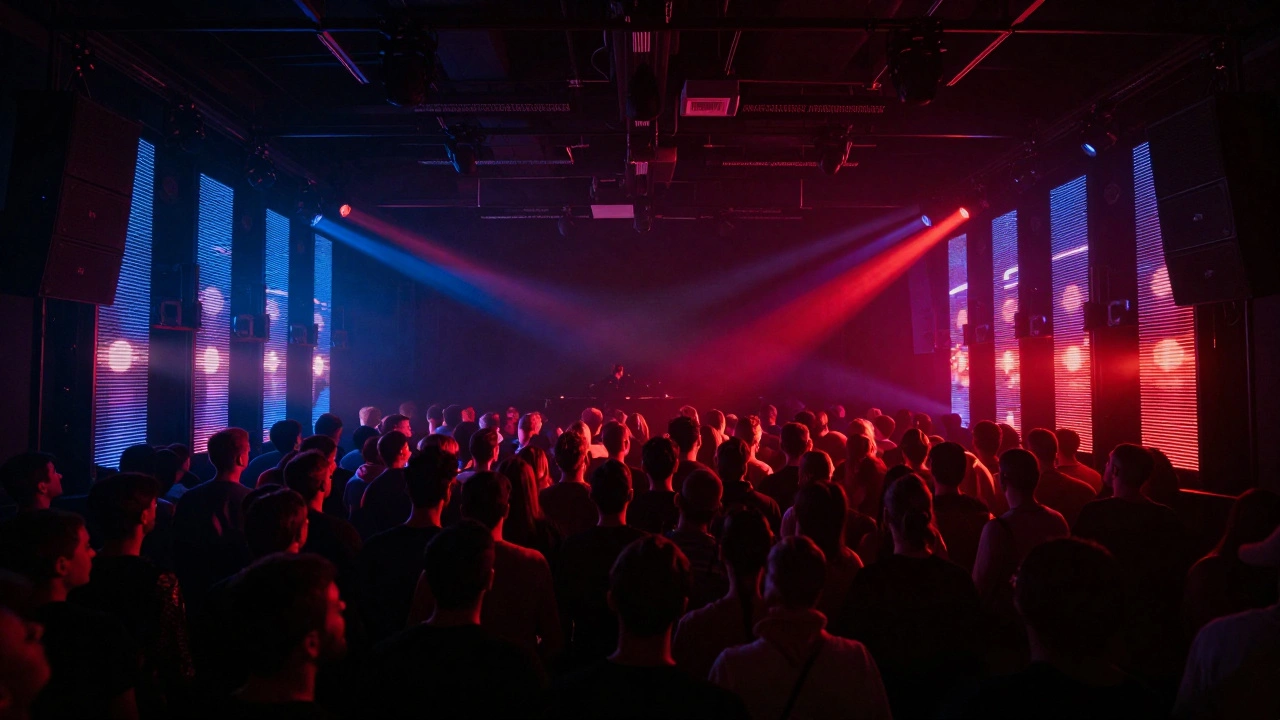
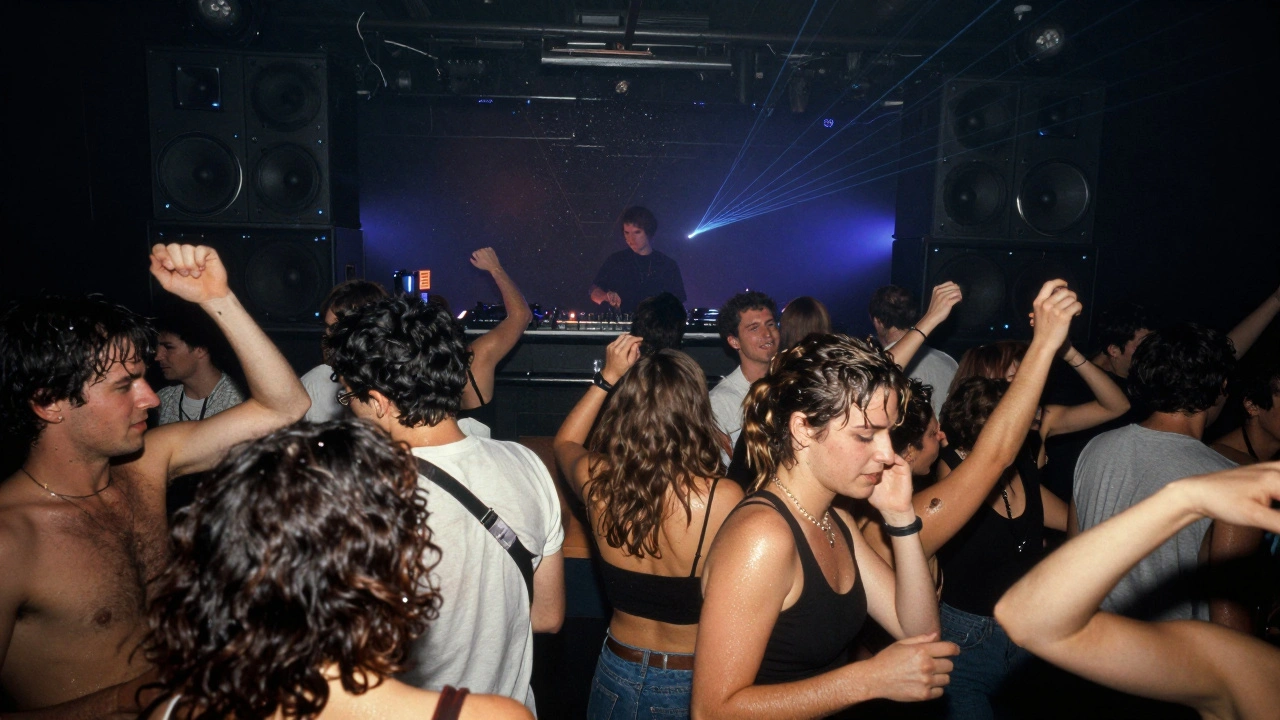
Ministry of Sound’s sound system isn’t just loud-it’s engineered to make you feel the music in your chest, your bones, your breath. If you’ve ever stood in the main room as a bassline drops and the whole floor pulses like a living thing, you know why this place isn’t just a club. It’s a temple of sound.
How Ministry of Sound’s Sound System Works
Ministry of Sound uses a custom-designed line array system built by L-Acoustics, the same company behind the audio for Coldplay’s tours and Coachella’s main stages.
Unlike typical clubs that rely on a few big speakers stacked against the walls, Ministry’s system has over 120 speakers arranged in vertical columns along both sides of the dancefloor. Each speaker is precisely angled and timed to deliver even sound across the entire room-no dead zones, no echo, no muffled bass. The system handles up to 20,000 watts of power, with subwoofers tuned to hit frequencies as low as 20Hz, the lowest note the human ear can perceive.
Why It Sounds Different From Other Clubs
Most clubs chase volume. Ministry of Sound chases clarity.
At a typical nightclub, you hear a wall of noise-bass drowning out the hi-hats, vocals getting lost in reverb. At Ministry, you hear every layer. The kick drum doesn’t just thump; you can feel its attack. The synth arpeggios shimmer without distortion. Even in packed rooms with 2,000+ people, the sound stays clean because of the system’s time-aligned drivers and digital signal processing that adjusts output in real time based on crowd density and room acoustics.
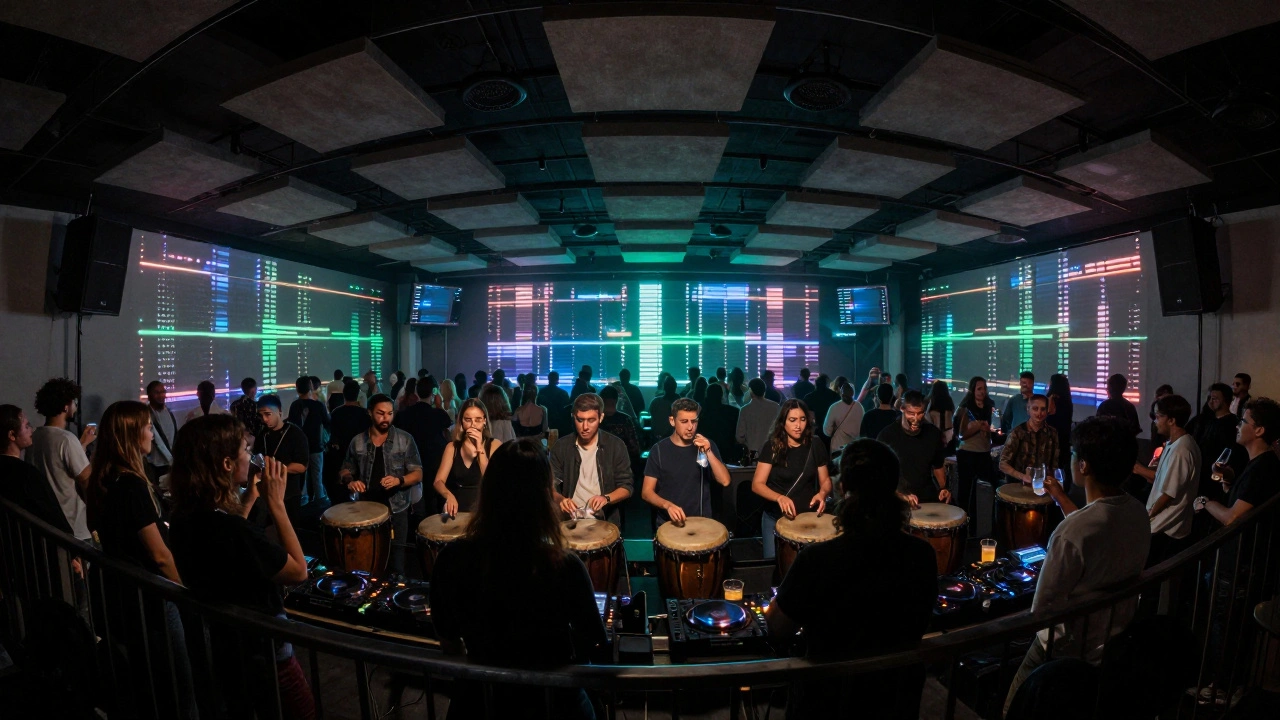
This isn’t magic. It’s physics. The room itself was designed by acousticians using computer modeling to eliminate standing waves and flutter echoes. The walls are curved, not flat. The ceiling absorbs, not reflects. Even the flooring-special rubber composite-reduces vibration transfer to the building below.
The Engineers Behind the Sound
The system was originally designed in 1991 by Tony Collett, a former BBC engineer who had worked on studio monitoring systems. He didn’t want a club that just played music-he wanted one that reproduced it like a high-end home stereo, but bigger, louder, and more immersive.
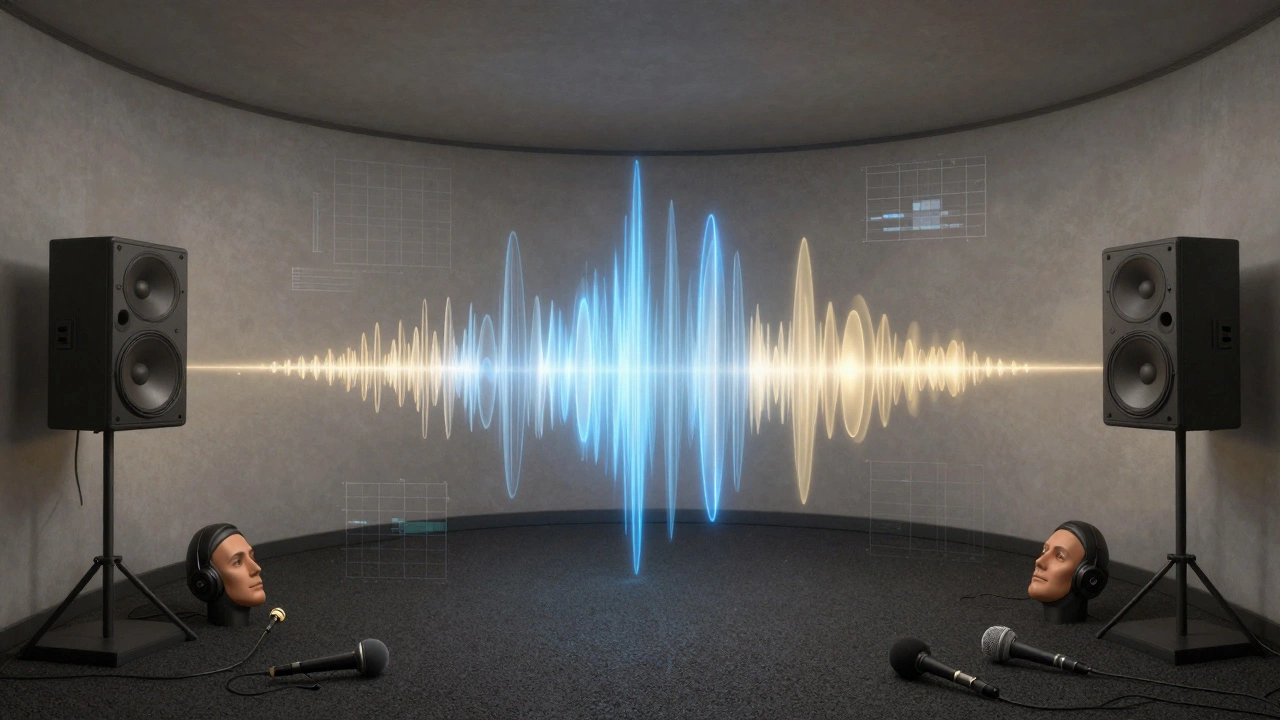
Collett’s team spent months testing speaker placements with dummy heads and microphones, recording how sound moved through the space. They even recorded the sound of a single clap in the empty room and used it to map reflections. That original design still forms the backbone of the system today, upgraded with modern digital controllers and AI-driven calibration.
Now, every night before doors open, a technician runs a 45-minute diagnostic: a sweep tone plays through every speaker, and microphones pick up how the sound behaves. The system auto-adjusts levels, delays, and EQ settings. It’s like tuning a symphony orchestra before a live performance.
What You Hear When the Music Drops
Stand near the front of the dancefloor and you’ll feel the bass before you hear it. The subwoofers are mounted horizontally under the stage, firing forward into the crowd. That’s intentional. It creates a pressure wave that hits you physically-your shirt vibrates, your teeth rattle slightly. It’s not just sound; it’s kinetic energy.
Walk to the back of the room, and the sound is just as clear. That’s because the line arrays are angled to cover every section. No one gets the "cheap seats" experience. Even in the balcony, where people sip drinks and watch the crowd, the music doesn’t fade-it just changes character. Higher frequencies become more present, the percussion sharper, the vocals more intimate.
On a good night, the system can reproduce the full range of human hearing-from the rumble of a sub-bass drop at 20Hz to the crisp snap of a snare at 10kHz. Most home speakers top out at 18kHz. Ministry’s system goes beyond that, because some producers record sounds at 24kHz to preserve the airiness of cymbals and reverb tails.
How DJs Use the System
DJs don’t just play tracks here-they play the room.
Because the system responds so precisely, DJs can make subtle EQ adjustments during mixes that wouldn’t work anywhere else. A slight boost in the 80Hz range makes the bass feel heavier without muddying the mix. A tiny cut in the 200Hz range clears out boxiness so the kick and bassline lock together perfectly.
Top DJs like Carl Cox, Annie Mac, and Seth Troxler have said in interviews that Ministry is the only club where they feel confident playing unreleased tracks. If it sounds right here, it sounds right everywhere.
They also use the system’s delay settings to create rhythmic effects. By syncing a delay unit to the tempo and feeding it into a side channel, they can make a vocal echo appear to move across the room-left to right, front to back-like a wave passing through the crowd.
What Makes It a Global Benchmark
Ministry of Sound’s sound system is the reason clubs from Tokyo to Toronto try to copy it.
It’s been studied by audio engineering programs at universities like Berklee and Goldsmiths. The BBC recorded a documentary on it in 2019. The system’s design was featured in Sound on Sound magazine’s "Greatest Club Audio Systems" feature. It’s not just popular-it’s referenced in textbooks.
When clubs in Berlin, Ibiza, or Los Angeles install a new system, they often say they’re "going for a Ministry sound." But no one has replicated it. The combination of room geometry, speaker placement, and real-time calibration is unique. Even the lighting system is synced to the audio frequencies to enhance the physical experience.
How to Experience It for Yourself
You don’t need a VIP pass or a backstage invite. Just show up.
Go on a Thursday or Friday night when the club is busy but not at maximum crush. Stand near the center of the dancefloor, close your eyes, and listen. Wait for a track with a deep bassline and clean percussion-something by Four Tet or Peggy Gou. Let the sound wash over you. Feel how the low end doesn’t just hit you-it holds you.
If you’re lucky, you’ll catch one of their "Sound System Nights," where they play tracks specifically chosen to showcase the system’s range. Sometimes they even turn off the lights for a few minutes and let the music speak for itself.
Why It Still Matters in 2026
In an age of wireless earbuds and Spotify playlists, Ministry of Sound reminds us that music can be a physical, shared experience.
It’s not about the DJ. Not about the lights. Not even about the crowd. It’s about the space between the speakers and the listener-the way sound moves through air, vibrates through bodies, and connects people without a word being spoken.
That’s why, after 30 years, people still fly from across the world just to stand in that room and feel the bass.

Anil Sharma
January 30, 2026 AT 18:54I still remember the first time I heard a bass drop at Ministry-felt like my ribs were vibrating in sync with my heartbeat. No earbuds, no home system, nothing comes close. That room is pure audio alchemy.
And yeah, I know I spelled alchemy wrong. My fingers move faster than my brain.
Sandie Corr
January 31, 2026 AT 01:40OMG YES 🥹 The way the subwoofers hit just right before the drop… it’s like your whole body gets hugged by sound. I’ve been to clubs in NYC, LA, Berlin-none of them made me cry. Ministry did. 💔🎶
Stephen Bodio
January 31, 2026 AT 19:55This is one of those rare things that actually lives up to the hype. I used to think clubs were just loud parties until I went there. Now I bring friends like it’s a pilgrimage.
And honestly? The fact they still use Tony Collett’s original design is wild. Most places upgrade and lose the soul. They kept it sacred.
Natasha Ray
February 1, 2026 AT 11:22Wait… so you’re telling me this isn’t just a club but some kind of government sonic weapon? I mean, why else would the walls be curved? Why the rubber flooring? They’re not trying to reduce vibration-they’re trying to contain it. I’ve heard stories about people passing out from the bass. No one talks about it because they’re scared.
And don’t get me started on the AI calibration… that’s not tech, that’s surveillance. They’re mapping your heartbeat through the floor.
Jack Gaines
February 3, 2026 AT 05:08Been there twice. First time I thought it was a trick. Second time I brought my dad. He cried. No joke.
Best sound system on the planet. Period.
Megan Garfio
February 4, 2026 AT 09:36You guys are killing it with this thread 😭 Seriously though-if you’ve never felt bass in your sternum, you haven’t lived. Go on a Thursday. Bring someone you care about. Close your eyes. Let it take you.
You’ll thank me later 💪❤️
Erin Carroll
February 5, 2026 AT 09:35This is not music. This is auditory manipulation. A temple of sound? It’s a sensory prison. They’ve engineered a space where human autonomy is surrendered to decibels. The fact that people call this art is a tragedy.
And don’t pretend the lighting sync is innocent-it’s behavioral conditioning. We’ve become slaves to rhythm, not lovers of it.
Margaret Berlin
February 7, 2026 AT 06:01Erin, I get where you’re coming from-but you’re missing the point. This isn’t about control, it’s about connection. When the whole room breathes together because the bass hits just right? That’s human. That’s sacred. That’s the opposite of manipulation.
It’s not about losing yourself-it’s about finding everyone else at the same time.
And yes, I’ve stood in that room alone and felt less alone than I ever have in a crowd.
Tiffany Swedeen
February 9, 2026 AT 00:39Just went last month and I swear the system knew what song was coming next. Like it was reading the DJ’s mind. And the way the high hats popped? Unreal. I’ve never heard cymbals sound so… alive.
Also I think I spelled cymbals wrong. Again. Sorry 😅
But seriously-this place is the reason I still go out. Even in 2026, with all the headphones and VR, nothing beats being in that room.