Why Trafalgar Square Is a Must-Visit for Art Enthusiasts in London
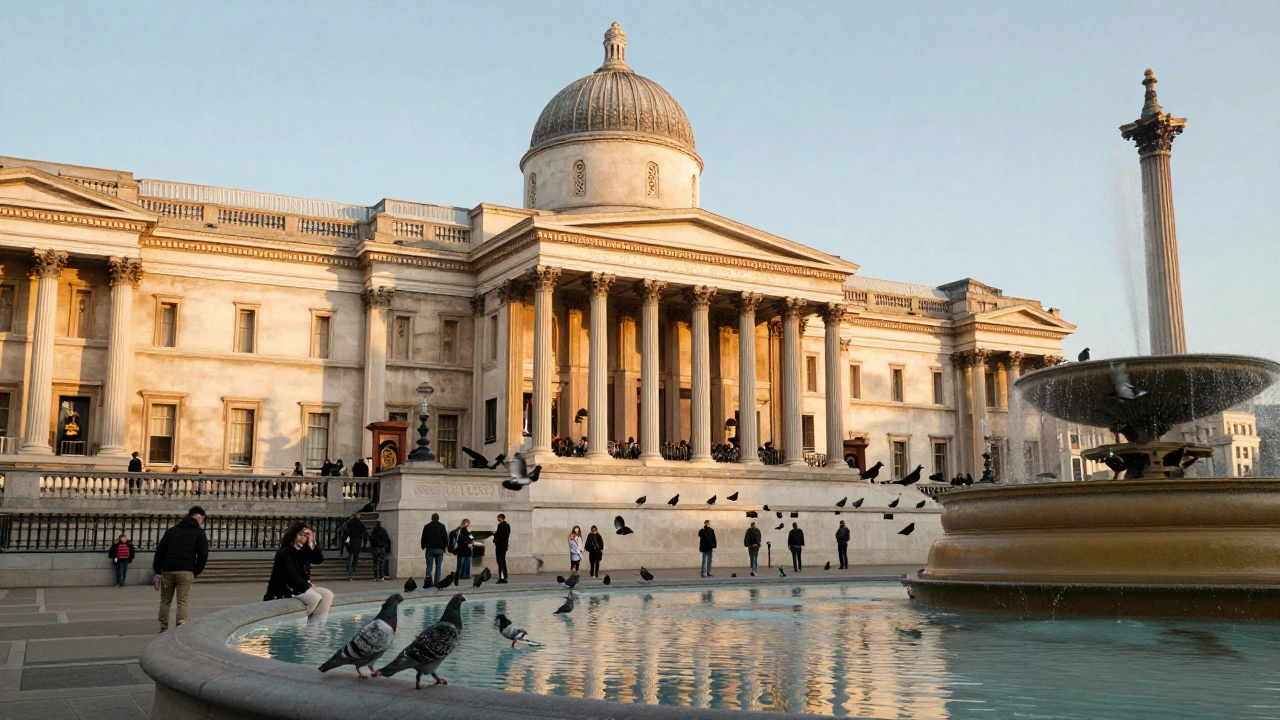
In London, where history and culture are woven into every cobblestone and alleyway, few places capture the soul of the city’s artistic spirit like Trafalgar Square. It’s not just a tourist hotspot with pigeons and photo ops-it’s a living gallery, a public stage, and the beating heart of London’s visual culture. If you think of art as something locked behind museum doors, you’re missing the point. Trafalgar Square brings art to the people, every single day.
The National Gallery: Where Masterpieces Live Without a Ticket
Stand at the north end of the square, and you’re face-to-face with the National Gallery. It’s free. No queues. No membership. Just open doors and over 2,300 paintings spanning 700 years. From Van Gogh’s sun-drenched Sunflowers to Turner’s swirling storms, these aren’t dusty relics-they’re alive. Locals come here on lunch breaks, students sketch in the corners, and tourists pause in silent awe. You don’t need to plan a day trip. Just walk in from the square, grab a coffee from the café, and spend an hour with a Caravaggio. It’s the kind of access you won’t find in Paris, New York, or even Rome.
Fourth Plinth: London’s Bold, Unpredictable Art Experiment
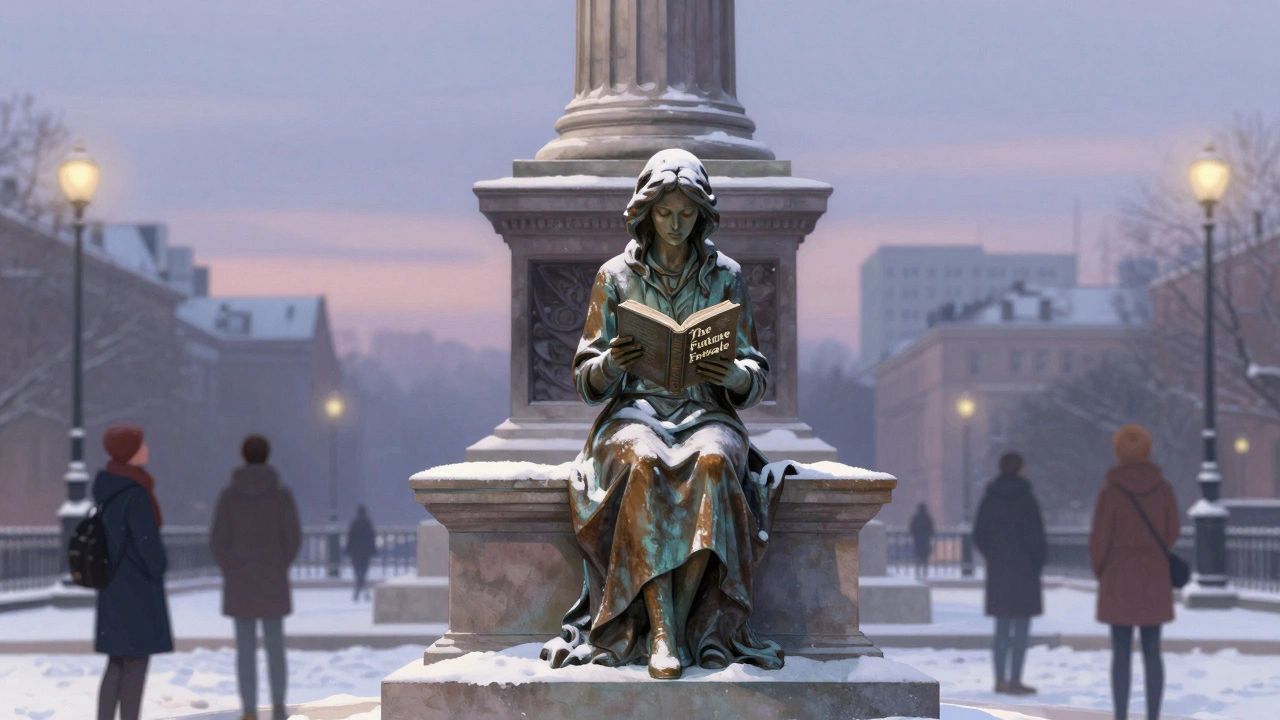
While Nelson’s Column towers over the square, the real intrigue lies at its feet: the Fourth Plinth. For over 25 years, this empty pedestal has been transformed by contemporary artists commissioned by the Mayor of London. One year, it held a giant yellow cockroach. Another, a translucent pink hand reaching up from the ground. In 2024, it featured a bronze statue of a woman reading a book titled “The Future is Female”-a quiet nod to London’s feminist movements. These aren’t random stunts. They’re curated responses to social issues, often sparking debate in pubs around Camden or debates on BBC Radio 4. The Fourth Plinth is public art at its most democratic: bold, temporary, and always surprising.
Outdoor Sculptures and Seasonal Installations
Walk around the square in winter, and you’ll find the Christmas tree-donated every year by Oslo, Norway-as a backdrop for carol singers and hot mulled wine stalls. In summer, the fountains come alive with splash zones for kids and impromptu photo shoots for couples. But beyond the seasonal flair, there are permanent sculptures you might overlook. The lions at the base of Nelson’s Column? Cast from captured French cannons after the Battle of Trafalgar. The statues of generals around the square? They’re not just war heroes-they’re part of Britain’s colonial past, now re-examined by historians and school groups alike. The square doesn’t just display art. It invites you to question it.
Art in Motion: Performances and Public Engagement
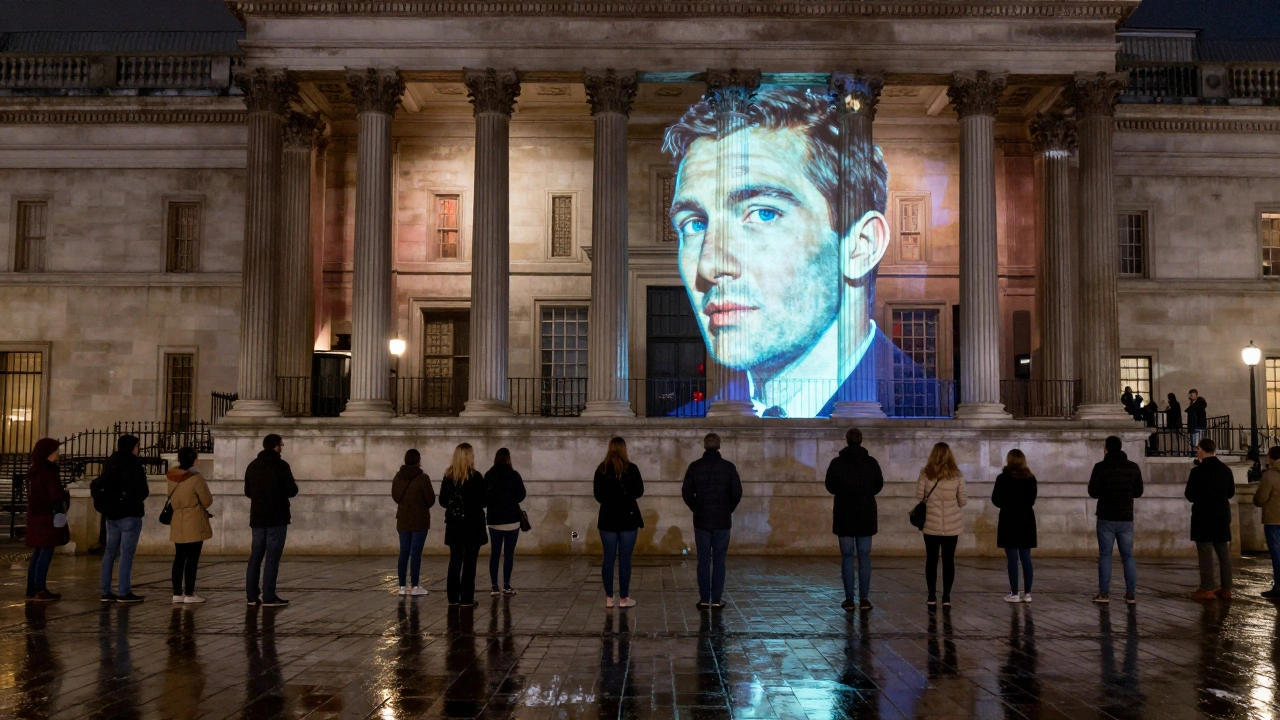
On any given weekend, you’ll find live painters setting up easels near the fountains, capturing the square in oils. Street musicians play Chopin or indie rock covers under the gaze of Nelson. In 2023, a group of young artists from the Royal College of Art projected animated portraits onto the National Gallery’s façade for a week-each face belonged to a Londoner who’d lost a loved one to the pandemic. No admission fee. No RSVP. Just people standing in silence, watching their neighbours’ faces glow on stone. This isn’t curated for tourists. It’s made by Londoners, for Londoners.
How to Experience Trafalgar Square Like a Local
If you’re visiting, don’t just snap a photo with the lions. Sit on the steps near the south end. Watch how the light hits the National Gallery’s columns at 4 p.m. in autumn. Grab a sandwich from the nearby Fortnum & Mason food hall and eat it on the bench beside the statue of King Charles I. Take the 12-minute walk to the South Bank after sunset-Trafalgar Square’s energy doesn’t fade, it shifts. The square is quieter after dark, but the glow from the gallery’s windows still draws people in. Locals know: this is where art isn’t kept behind velvet ropes. It’s out here, breathing with the city.
Why It Matters More Than You Think
Trafalgar Square isn’t just a landmark. It’s proof that art doesn’t need to be expensive or exclusive to be powerful. In a city where gallery tickets can cost £25 and museum memberships feel like a luxury, this space says: you belong here. It’s where schoolchildren from Hackney draw their first sketches. Where retirees from Brixton come to debate politics beside a new sculpture. Where expats from Lagos or Tokyo find a moment of connection in a shared silence before a Turner masterpiece. In London, art isn’t a side attraction-it’s part of the air you breathe. And Trafalgar Square is where that air is the clearest.
Is the National Gallery really free to enter?
Yes. The National Gallery has been free to enter since 1824, when it first opened to the public. This policy still stands today, making it one of the most accessible art institutions in the world. Special exhibitions may charge a fee, but the permanent collection is always free. You can walk in anytime between 10 a.m. and 6 p.m., and until 9 p.m. on Fridays.
What’s the best time to visit Trafalgar Square to avoid crowds?
Early mornings, especially on weekdays before 9 a.m., are the quietest. You’ll have the square mostly to yourself, with the light perfect for photos and the fountains still calm. If you prefer evening visits, come after 7 p.m. on weekdays-the tourists are gone, the street performers are winding down, and the National Gallery’s exterior is beautifully lit. Weekends are lively but busy, especially during holidays and events like New Year’s Eve or the Fourth Plinth unveilings.
Are there guided art tours of Trafalgar Square?
Yes. The National Gallery offers free 30-minute guided talks every day at 2 p.m., focusing on one painting from the collection. Outside, the London Walks company runs paid tours of the square’s history and sculptures, often led by former art students or historians. For a deeper dive, check out the Trafalgar Square Art Trail map available at the National Gallery’s information desk-it highlights every statue, plaque, and hidden detail you might miss on your own.
Can you take photos of the Fourth Plinth artworks?
Absolutely. In fact, visitors are encouraged to photograph them. The Fourth Plinth project was designed to spark public conversation, and social media has become part of that. Many artworks are temporary, so capturing them is a way to preserve the moment. Some installations even include QR codes that link to artist statements or audio recordings explaining the piece. Just don’t climb on them-some are fragile, and security is always nearby.
What other London spots should I visit after Trafalgar Square?
Head south to the South Bank for the Tate Modern and views of the Thames. Or walk west to Covent Garden, where street performers and the Royal Opera House keep the art alive. For a quieter experience, try the Courtauld Gallery in Somerset House-just a 15-minute walk away-with its intimate collection of Impressionist masterpieces. If you’re into sculpture, don’t miss the Henry Moore Institute in Leeds, but locally, the Serpentine Galleries in Kensington Gardens are a must.
MARICON BURTON
December 7, 2025 AT 02:35Okay but let’s be real-Trafalgar Square is basically a giant Instagram backdrop with a side of colonial guilt. The National Gallery’s free? Cool. But the lions? Made from French cannons. The generals? All white dudes who conquered half the planet. And now we’re supposed to just vibe with it while some dude in a suit sells £8 coffee? Art ain’t free if you gotta pay for the air around it.
Nishi Thakur
December 8, 2025 AT 14:18This is exactly why public spaces matter. Art shouldn’t be locked away because someone can’t afford a ticket. I’ve seen kids from rural India sketching in the National Gallery, and it gave me chills. You don’t need money to feel something beautiful-you just need to show up. Trafalgar Square reminds us that culture belongs to everyone, not just the privileged few.
LeeAnne Brandt
December 10, 2025 AT 07:13so i went last winter and sat on those steps at sunset… no one was around, just the glow from the gallery and the faint sound of a violin from somewhere nearby. it felt like the whole city was holding its breath. 🌅
siva kumar
December 11, 2025 AT 11:18Let me tell you something about the Fourth Plinth-it’s not just art, it’s political theater with a British accent. That giant cockroach? A commentary on capitalism’s infestation. The pink hand? A feminist middle finger to patriarchy. And yes, the bronze woman reading? That’s a direct response to the #MeToo movement and the quiet erasure of women’s intellectual labor. People think it’s random, but every piece is curated by a panel that reads like a who’s who of London’s progressive intellectuals. And don’t even get me started on how the media spins it as ‘weird’ to avoid the real conversation. This isn’t decoration. It’s dissent with a permit.
William Driscoll
December 11, 2025 AT 16:46‘Art is in the air’? Cute. The National Gallery’s permanent collection is overpriced in every way except the ticket price-most of it’s mediocre 19th-century fluff wrapped in romanticized nationalism. And those ‘local artists’ projecting faces? That’s not art, that’s a grief marketing campaign. And the lions? Cast from cannons? That’s not history, that’s war propaganda with a bronze finish. This whole post reads like a tourism board’s fever dream.
matthew mcclane
December 13, 2025 AT 01:00Best part? No one’s asking you to love it. Just be there. Sit. Look. Breathe. That’s enough.
Emmanuel Jolly
December 13, 2025 AT 08:38They say art is free-but who really gets to define what art is? The Mayor’s panel? The same people who approve corporate sponsorships for the Fourth Plinth? This isn’t democracy, it’s curated dissent. The real art is the silence of the people who can’t afford to live in London anymore, watching their city turn its history into a theme park. Nelson’s Column? He’s a slave trader with a hat. And we call this ‘culture’? Wake up.
Krishna Prasad Regmi
December 13, 2025 AT 22:42There’s something sacred about walking into the National Gallery on a rainy Tuesday and finding an old man crying in front of a Turner. No one says anything. No one takes a photo. Just two strangers sharing a moment with paint and light. That’s the magic-quiet, unasked for, and completely human.
zulfa eliza
December 14, 2025 AT 09:06THE FOURTH PLINTH IS THE ONLY PLACE IN LONDON WHERE YOU CAN SEE A GIANT CRYING CLOWN AND THEN A WOMAN HOLDING A BOOK AND REALIZE-THEY’RE BOTH ABOUT THE SAME THING: WE’RE ALL JUST TRYING TO BE SEEN. AND NOBODY’S ASKING YOU TO PAY. THAT’S REVOLUTIONARY.
Lauren de Bruyn
December 15, 2025 AT 12:59Free art? Sure. But who’s really benefiting? The same elites who own the galleries and write the grants. And don’t get me started on Norway donating the Christmas tree-what’s next, Sweden sending us free IKEA furniture to distract us from our crumbling public institutions? This whole ‘art for the people’ thing is just a distraction while rent doubles and libraries close. Wake up, sheeple.