The Tower of London: London’s Ancient Fortress of Royalty and Rebellion
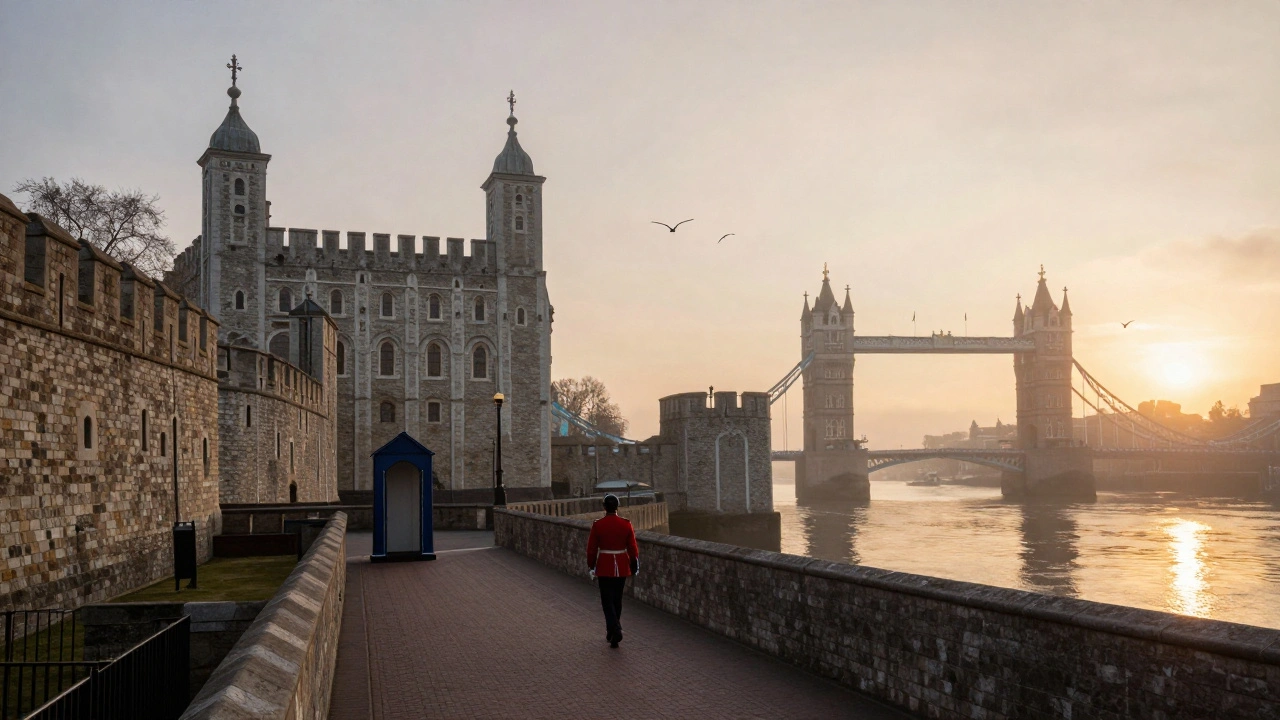
In London, where the Thames winds past modern skyscrapers and centuries-old pubs, few places hold as much weight as the Tower of London. It’s not just another tourist stop on a map-it’s the place where kings were crowned, queens were imprisoned, and royal blood spilled on stone floors that still echo with history. If you’ve walked past it on a lunch break from Canary Wharf, caught a glimpse from a Thames riverboat, or stood in line with tourists clutching Oyster cards, you’ve seen it. But do you really know what happened here?
A Fortress Built on Power
William the Conqueror ordered the White Tower built in 1078, right after he took control of London. It wasn’t meant to be pretty-it was a statement. A massive stone keep, taller than any building in the city at the time, looming over the River Thames to remind everyone who was in charge. For over 900 years, the Tower has been a palace, a prison, an armory, a treasury, and a zoo. It’s the only place in England where you can stand in the same spot where Anne Boleyn waited for her execution and then walk ten paces to see the Crown Jewels glittering under glass.
The Tower’s walls aren’t just brick and mortar. They’re layered with stories. Henry VIII had his second wife beheaded on Tower Green, just outside the chapel. Elizabeth I was locked up here by her sister Mary I, unsure if she’d ever walk free. Even Guy Fawkes, the man who tried to blow up Parliament in 1605, was tortured in the Tower’s dungeons before his public hanging. The place doesn’t just hold relics-it holds consequences.
The Crown Jewels: More Than Glitter
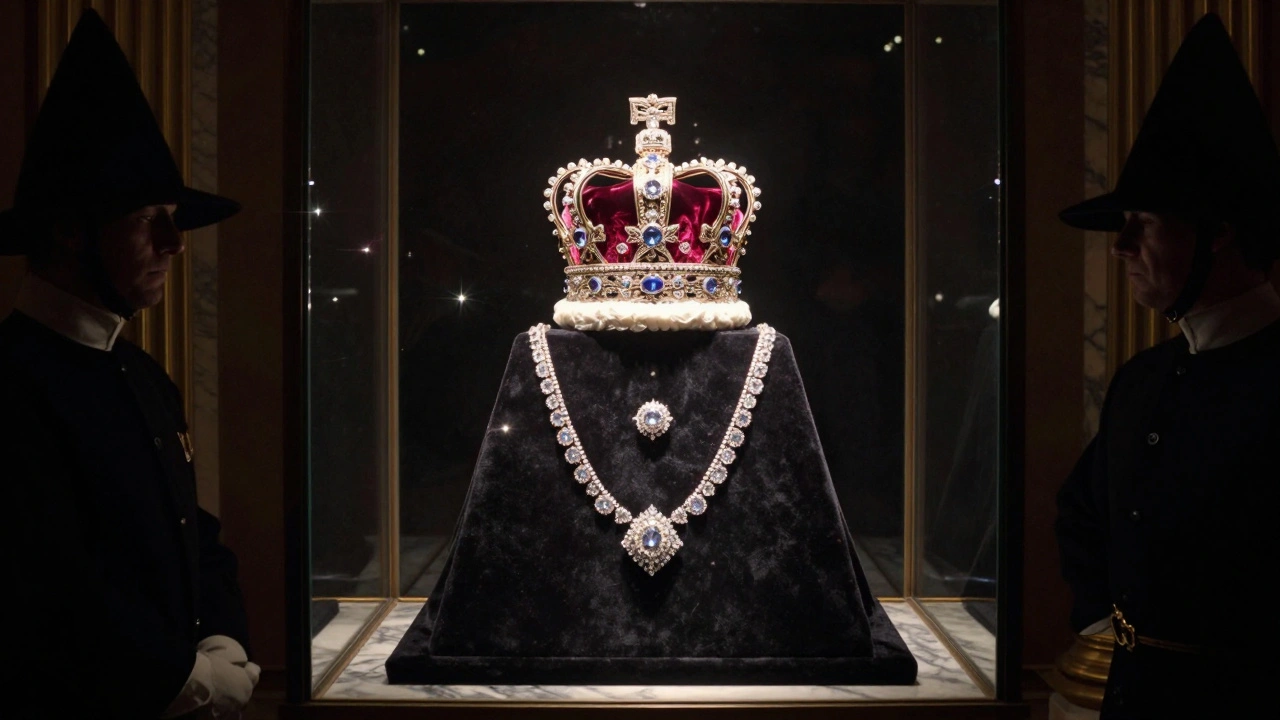
Today, the most visited part of the Tower is the Crown Jewels. Over 100 objects, including the 530-carat Koh-i-Noor diamond and the Imperial State Crown studded with 2,868 diamonds, are displayed in the Jewel House. But these aren’t just pretty things. The crown worn by Queen Elizabeth II during her coronation in 1953 was made in 1937 for George VI. The Sovereign’s Sceptre with Cross contains the Cullinan I diamond-the largest clear-cut diamond in the world. These aren’t museum pieces. They’re still used in ceremonies. When the King opens Parliament, he wears this same crown. The same jewels that once symbolized divine right now symbolize continuity.
Security here is tighter than at any bank in the City. The jewels are guarded 24/7 by the Yeoman Warders-the Beefeaters. They don’t just wear red and gold uniforms for show. Each one is a retired senior NCO from the British Army with at least 22 years of service. Some have served in Afghanistan. Others were stationed in Northern Ireland. They know the Tower’s history because they live here, in apartments inside the walls, with their families. Their children go to local schools in Tower Hill. They’re not performers. They’re custodians.
Where Rebellion Took Root
While the Tower is a symbol of royal power, it’s also where rebellion was crushed. In 1381, during the Peasants’ Revolt, rebels stormed London and beheaded the Archbishop of Canterbury right outside the Tower gates. The king, Richard II, was inside, just 14 years old. He rode out to meet them, offered them concessions-and then had them hunted down and executed once the threat passed.
During the English Civil War, Charles I was held here before his trial and execution in 1649. His death didn’t end the monarchy-it reshaped it. The Tower became a reminder that even kings weren’t above the law. Today, you can walk through the Traitor’s Gate, the water entrance where prisoners arrived by barge. The same gate that brought Sir Thomas More, Sir Walter Raleigh, and Lady Jane Grey to their fate now lets in tourists from Hackney, Hounslow, and Hertfordshire.
What You’ll See When You Visit
If you’re planning a trip to the Tower, don’t just snap a photo and leave. Here’s what matters:
- Arrive early. Lines form fast, especially on weekends. The gates open at 9 a.m., and the first hour is quietest.
- Book tickets online. You’ll save £5 and skip the ticket queue. The official site is the only way to guarantee entry.
- Take the free Yeoman Warder tour. It’s included in your ticket. These aren’t scripted shows-they’re stories passed down, often with dry humor and grim details. One Beefeater once told a group, “This is where the last man was hanged. He screamed so loud, they heard it all the way at St. Katharine Docks.”
- Visit the ravens. Legend says if the ravens leave, the kingdom will fall. There are always seven, kept by the Ravenmaster. They’re clipped wings, not pets. One, named Merlina, was banned from the Tower for biting a tourist. She’s still here.
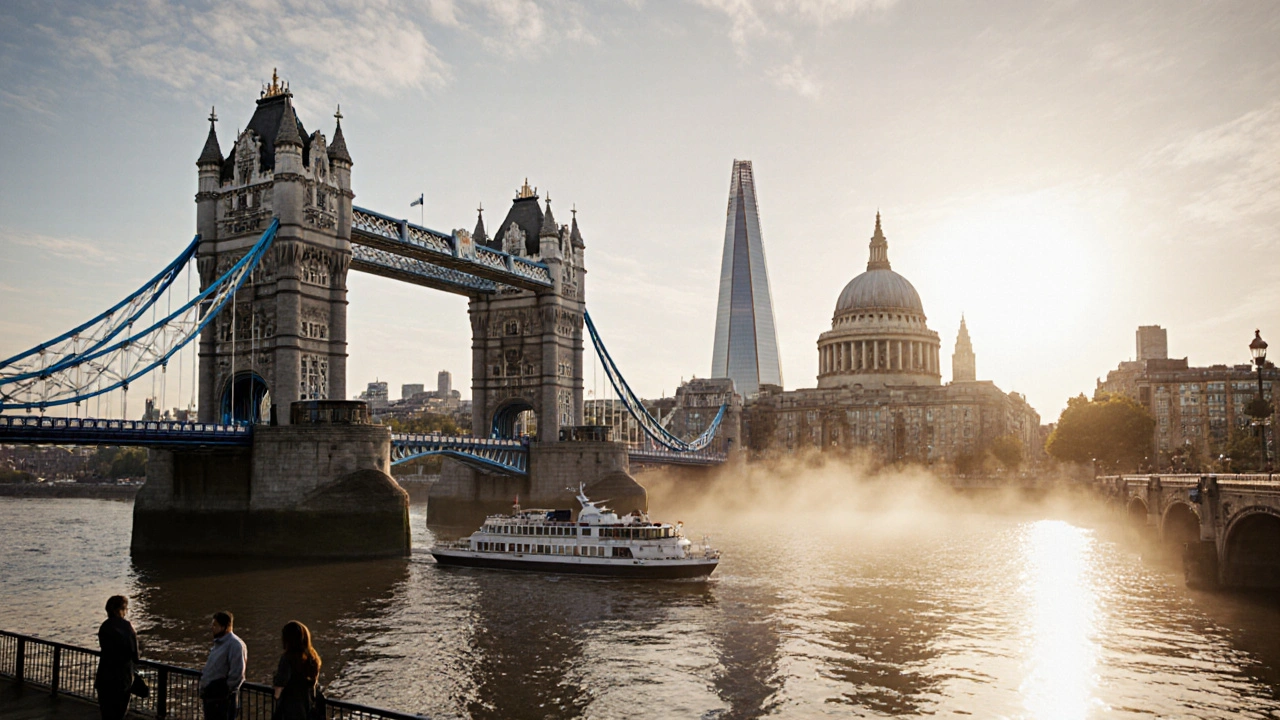
- Stop at the Tower Hill tube station exit. Look up. The view of the Tower from the bridge is the same one that greeted Henry VIII’s ships. It hasn’t changed in 500 years.
Why It Still Matters in Modern London
The Tower isn’t frozen in time. It’s part of London’s living memory. Every year, the Ceremony of the Keys still happens at 9:53 p.m.-exactly as it has since the 14th century. No one’s allowed to watch it. It’s locked away, private, ritualistic. It’s the oldest continuously performed ceremony in the world.
Locals know this. On a quiet Sunday morning, you might see a retiree from Peckham sitting on a bench near the moat, sketching the Tower. Or a group of schoolkids from Camden on a history trip, wide-eyed as they hear how the last execution here was in 1941-Eddie Chapman, a double agent, was sentenced to death but pardoned after helping the Allies.
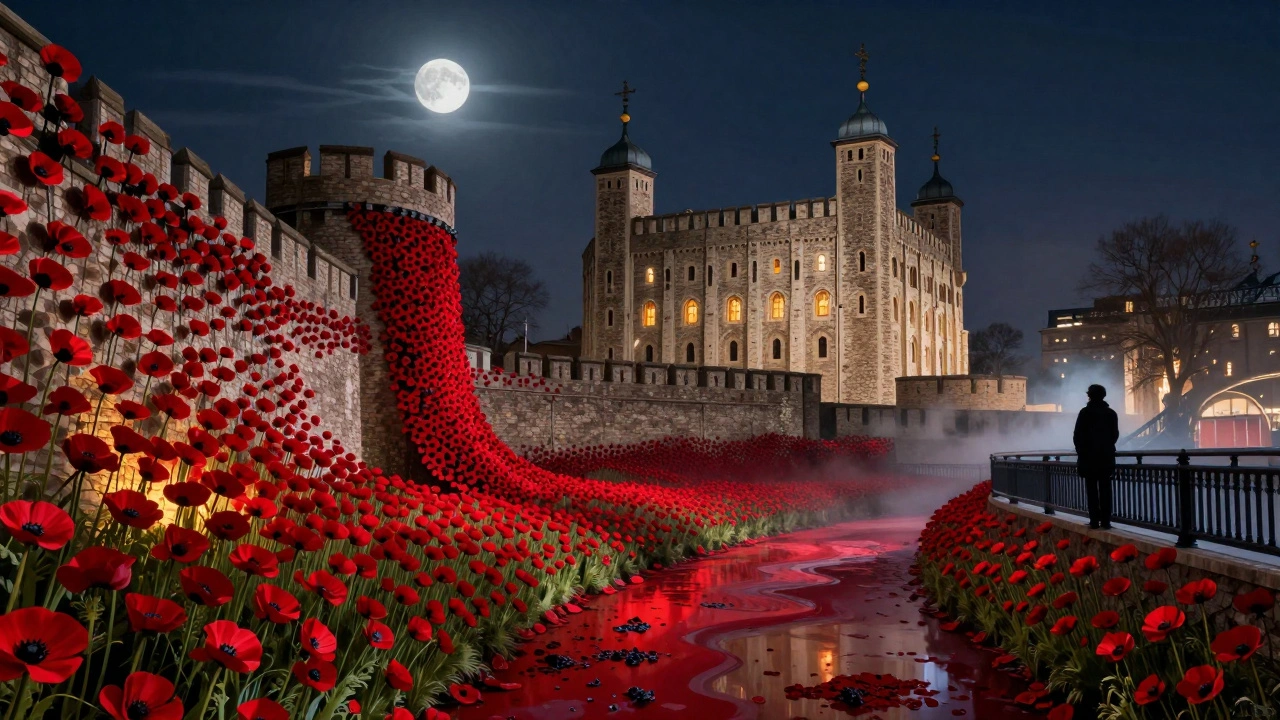
It’s also where London’s identity is tested. During the 2012 Olympics, the Tower was lit up in Olympic colors. In 2014, it was the site of the poppy installation-888,246 ceramic flowers, each representing a British or Commonwealth soldier who died in WWI. People came from all over the city to stand in silence. That’s the power of this place. It doesn’t just tell stories. It makes you feel them.
How to Make the Most of Your Visit
Londoners don’t need a reason to visit the Tower. But if you’re new here, here’s how to make it meaningful:
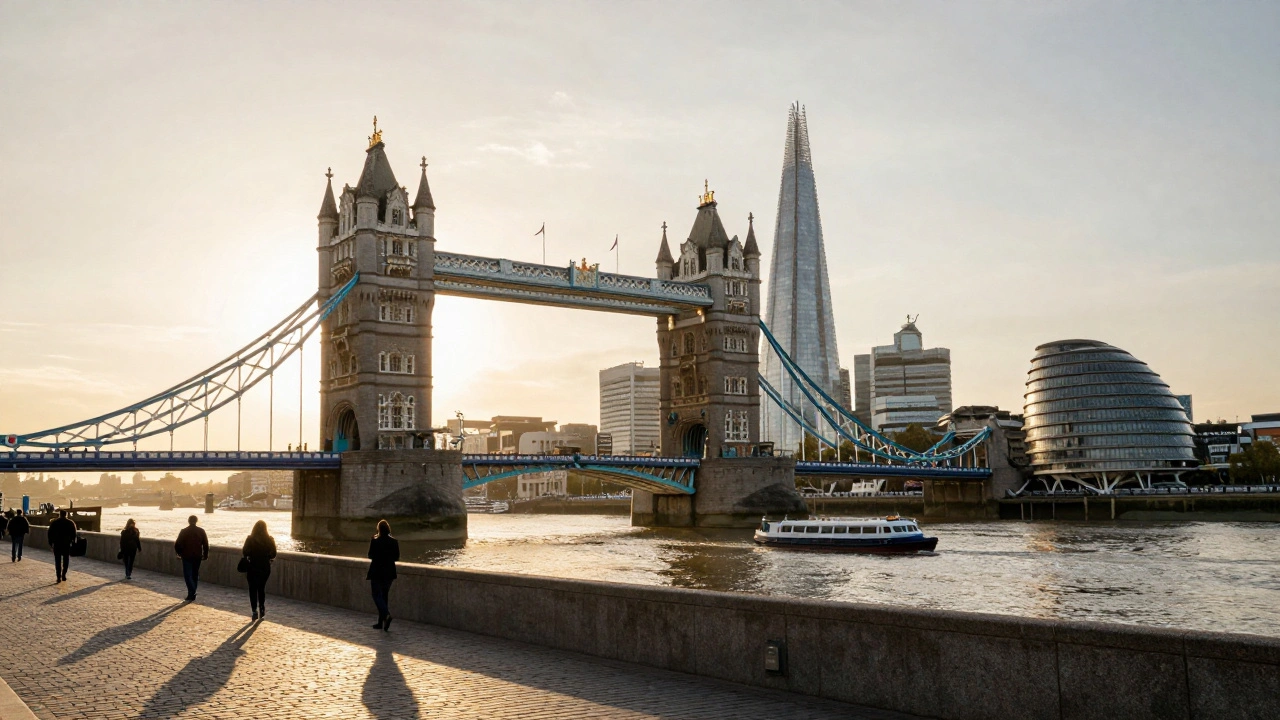
- Combine it with a walk along the Thames Path. From Tower Bridge, stroll west toward London Bridge. You’ll pass Borough Market-grab a pasty from the Cornish bakery and eat it by the water.
- Stop at the Tower Hill Memorial. It’s easy to miss, but it lists every merchant sailor lost in both world wars. Quiet. Unassuming. Powerful.
- Take the DLR to Tower Gateway. It’s less crowded than the Tube. You’ll see the Tower rising over the river like it always has.
- Visit in winter. The crowds thin. The mist clings to the walls. The lights come on at dusk, and the Tower looks like it’s floating in time.
There’s no other place in London where you can stand where kings were murdered, see the crown worn by the monarch who opened the first London Underground line, and then walk to a café and order a flat white from a barista who’s never heard of Guy Fawkes. That’s the magic of the Tower. It doesn’t ask you to remember history. It forces you to feel it.
Is the Tower of London open every day?
Yes, the Tower of London is open daily except for December 24, 25, and 26. Hours vary by season: 9 a.m. to 5:30 p.m. in summer, 9 a.m. to 4:30 p.m. in winter. Last entry is one hour before closing. Always check the official Historic Royal Palaces website before visiting.
Can you see the Crown Jewels without buying a ticket?
No. The Crown Jewels are inside the Tower’s secure Jewel House, and access is only granted with a valid ticket. There are no public viewing areas outside the complex. Be wary of scams offering “free access” or “backdoor tours”-they don’t exist.
Are the Beefeaters real soldiers?
Yes. Every Yeoman Warder is a retired senior non-commissioned officer from the British Army with at least 22 years of service. They must have received the Long Service and Good Conduct Medal. They live in the Tower with their families and are responsible for guarding the Crown Jewels, leading tours, and maintaining traditions.
Why are there ravens at the Tower?
According to legend, if the ravens leave the Tower, the monarchy and the kingdom will fall. To prevent this, at least six ravens are kept there at all times, with a seventh as backup. They’re fed raw meat daily, their wings are clipped to keep them grounded, and they have their own keeper-the Ravenmaster. The current ravens are named Jubilee, Harris, Poppy, Georgie, Edgar, and Munin.
Is the Tower of London worth visiting if you’re from London?
Absolutely. Many Londoners treat it like a hidden gem. Locals often visit during off-hours, bring a book to sit by the moat, or attend special events like the Ceremony of the Keys (open to the public by lottery). It’s not just history-it’s part of London’s soul. Even if you’ve seen it before, you’ll notice something new: a plaque you never noticed, a story the Beefeater told differently, or the way the light hits the White Tower at sunset.
Final Thoughts
The Tower of London doesn’t belong to tourists. It belongs to London. It’s where the city’s power, pain, and pride were forged. Whether you’re a lifelong resident, a new expat, or a visitor from Brighton or Birmingham, standing inside its walls means standing where history didn’t just happen-it changed everything. And it’s still changing.

Beth Wylde
December 1, 2025 AT 13:42There’s something haunting about standing where kings and traitors walked-the weight of it doesn’t fade, even with the selfie sticks and ice cream vendors nearby. I visited last winter, mist clinging to the walls, and for a minute, I forgot I was in a city of 9 million people. It felt like time had paused just to let you breathe it in.
That’s the magic. It’s not just preserved history-it’s alive in the way the Beefeaters still live here, in the ravens that squabble over scraps, in the way the Ceremony of the Keys happens without fanfare, like it always has. No one’s filming it. No one’s posting it. It just… is.
I think that’s why Londoners keep coming back. It’s not a monument. It’s a quiet anchor.
And honestly? The raven that bit a tourist? That’s the most human thing in the whole place.
She’s still here. And so are we.
Ellen Smith
December 3, 2025 AT 10:19The article contains multiple grammatical inconsistencies, including inconsistent capitalization of ‘Beefeaters’ (sometimes capitalized, sometimes not), improper use of em dashes, and a misplaced comma in the sentence about the Koh-i-Noor diamond. Also, ‘Oyster cards’ should be preceded by ‘the’ for grammatical precision. The structure is emotionally manipulative rather than informative, relying on flowery prose to mask factual vagueness. For example, ‘history didn’t just happen-it changed everything’ is a trite rhetorical device, not a substantive claim. The piece reads like a tourist brochure written by someone who watched too many Netflix documentaries.
Bruce Shortz
December 4, 2025 AT 11:58Man, I went there last year with my cousin who’s into all that royal drama. We got there at 8:45 a.m., no line, just us and a couple of old guys sketching the tower. One Beefeater told us the story about how the last guy executed there was a spy who turned double agent-and got pardoned because he gave the Brits intel on Nazi sabotage plots. Dude said it like it was nothing, like he was telling us where the good coffee was.
And then we saw the ravens. One of ‘em just stared at us like we owed him money. I swear, that bird knew more about British history than my high school teacher.
Don’t just go for the jewels. Go for the silence between the stories. That’s where the real stuff lives.
Brenda Loa
December 5, 2025 AT 21:41How quaint. A tourist’s love letter to colonial nostalgia. The Crown Jewels are looted wealth. The Beefeaters are glorified security guards with military pensions. The ravens? A gimmick. And the ‘Ceremony of the Keys’? A performative relic of a dead empire clinging to relevance. This isn’t history-it’s propaganda dressed in velvet.
Zackery Woods
December 5, 2025 AT 23:14Let me break this down for you, sheeple. The Tower isn’t a museum. It’s a staging ground for the Illuminati’s bloodline rituals. The Crown Jewels? They’re not just gems-they’re frequency amplifiers, tuned to the old pagan ley lines beneath London. The ravens? Not birds. They’re surveillance entities. Watch the footage-every time a royal dies, one vanishes. Coincidence? No. The Beefeaters? They’re not ex-soldiers. They’re mind-wiped operatives from a secret branch of MI6 that answers to the Vatican. The Ceremony of the Keys? That’s not locking a gate-it’s sealing a dimensional rift. And the Thames? It’s not a river. It’s a blood conduit. They’ve been using this place since the Druids to keep the old gods asleep. You think the monarchy’s still around because of democracy? Nah. They’re still alive because the Tower won’t let them die.
Yvonne LaRose
December 6, 2025 AT 04:20From a sociocultural anthropology standpoint, the Tower of London functions as a hyper-sigilic locus of hegemonic memory formation-where material artifacts (e.g., the Crown Jewels), performative rituals (e.g., Ceremony of the Keys), and embodied knowledge (e.g., Yeoman Warders’ lived experience) coalesce into a multidimensional palimpsest of statecraft and trauma.
Moreover, the persistent mythos surrounding the ravens operates as a cognitive anchor, reinforcing collective identity through symbolic continuity, even amid rapid urban modernization.
The fact that the Tower remains a site of both public pilgrimage and private contemplation-evidenced by the retiree sketching by the moat or the schoolchildren wide-eyed at the Traitor’s Gate-demonstrates its adaptive resilience as a cultural institution.
Furthermore, the absence of commercialization in the Ceremony of the Keys (a non-digital, non-streamed, non-commercialized ritual) is a rare, almost radical act of resistance against the commodification of heritage in late-stage capitalism.
One might argue that the Tower is less a monument than a mnemonic engine-its stones, its guards, its birds, its silence-all functioning as nodes in a living archive.
And yes, the raven that bit a tourist? That’s not a flaw-it’s a feature. It’s the wildness refusing to be domesticated. The kingdom’s still alive because the ravens remember.
Lisa Kulane
December 6, 2025 AT 10:39How dare you romanticize a prison where traitors were starved, tortured, and beheaded? The Crown Jewels were stolen from India, Africa, and the Caribbean-this isn’t ‘continuity,’ it’s theft dressed in lace. The Beefeaters? Retired soldiers? They’re glorified props in a British imperial fantasy. The ravens? Superstitious nonsense. And the ‘Ceremony of the Keys’? A pathetic relic of a dying empire trying to convince itself it still matters. This isn’t history-it’s a museum of shame, and you’re all just bowing to it like good little colonists. The only thing worth preserving here is the memory of those who resisted.
Rob e
December 7, 2025 AT 13:27So... the Tower's open every day except Christmas? Wow. Groundbreaking. 🤡
Also, the ravens are clipped? That's so cute. Like little feathered prisoners. 🐦💔
And the Beefeaters? Yeah, they're ex-soldiers... but did you know they all have secret tattoos of the Queen's face on their butts? Just saying. 🤫
Also, I saw a guy in a Beefeater hat at the pub last week. He was drinking cider. I think he's fake. #TowerGate