Iconic Buildings in London: Where History and Modernity Collide
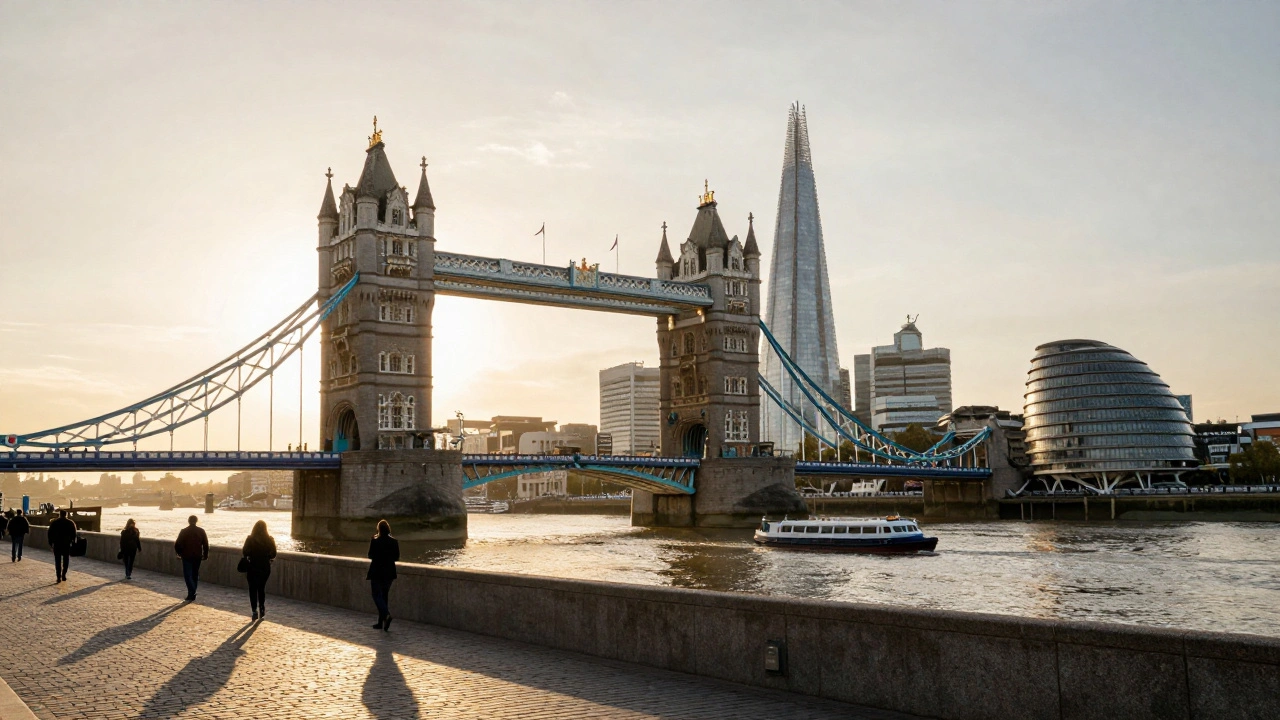
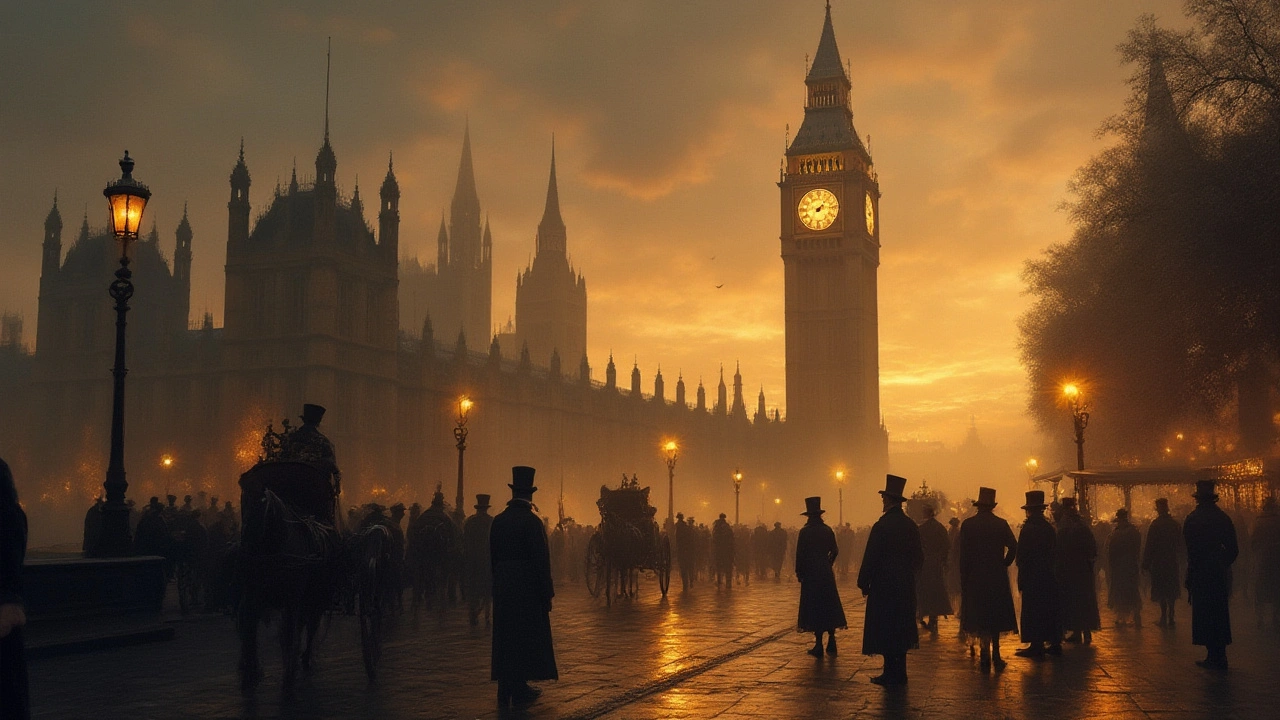
In London, you don’t just walk past buildings-you walk through time. One moment you’re standing under the Gothic arches of Westminster Abbey, the next you’re looking up at the glass spire of The Shard, reflecting the Thames like a mirrored skyscraper. This city doesn’t preserve its past behind velvet ropes-it lets it breathe beside the new. That’s what makes London’s skyline unlike any other: history and modernity don’t compete here. They coexist, sometimes even embrace.
London’s skyline is a living timeline
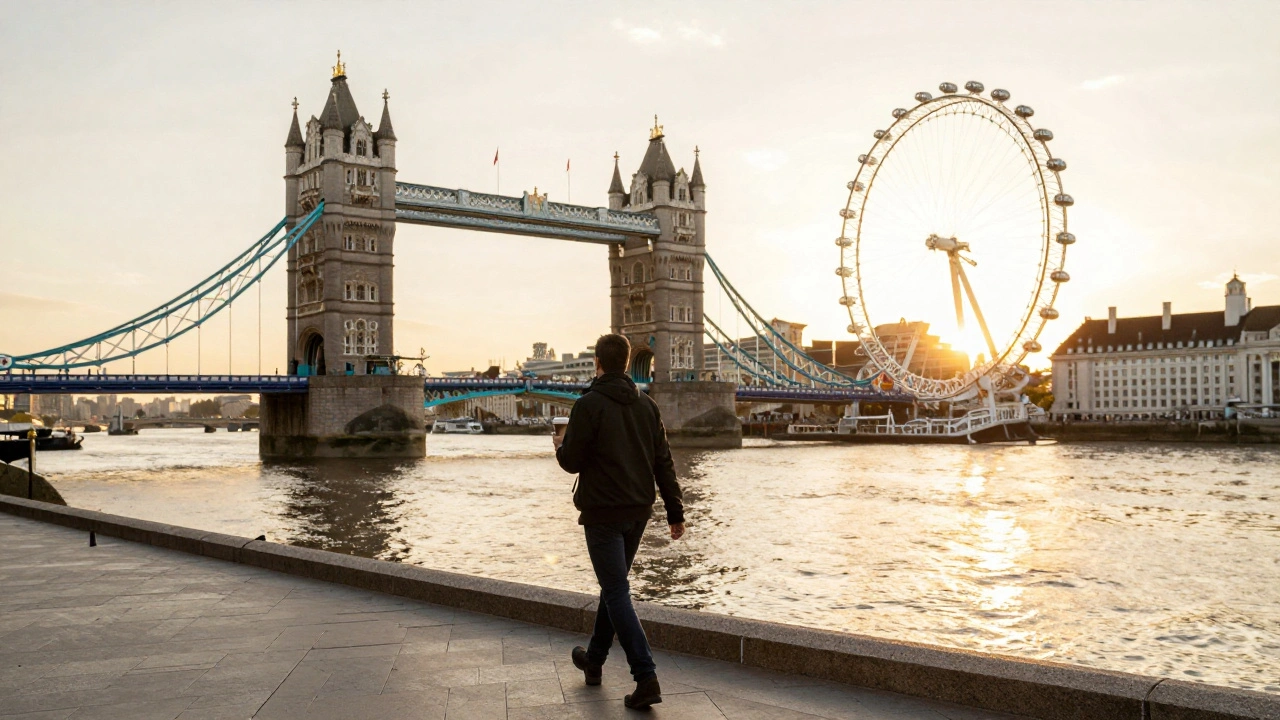
Walk along the South Bank and you’ll see it clearly. Tower Bridge, built in 1894, still lifts its bascules for river traffic, just as it did when steamships ruled the Thames. Just 300 metres downstream, The Shard-completed in 2012-soars 310 metres into the sky, its glass façade catching the light like a crystal dagger. These aren’t random placements. They’re deliberate. The City of London’s planning rules ensure new developments don’t overshadow historic views. You can’t build a tower that blocks St. Paul’s dome from the river. That’s why The Shard sits where it does: far enough to respect the cathedral’s silhouette, close enough to echo its ambition.
Even the materials tell a story. St. Paul’s was built with Portland stone, quarried in Dorset and hand-carved by masons who worked for decades. The Shard? Its cladding is made of low-iron glass, manufactured in Germany and assembled with robotic precision. One is a monument to patience. The other, to speed. Both are unmistakably London.
The Bank of England and the Gherkin: old money meets new tech
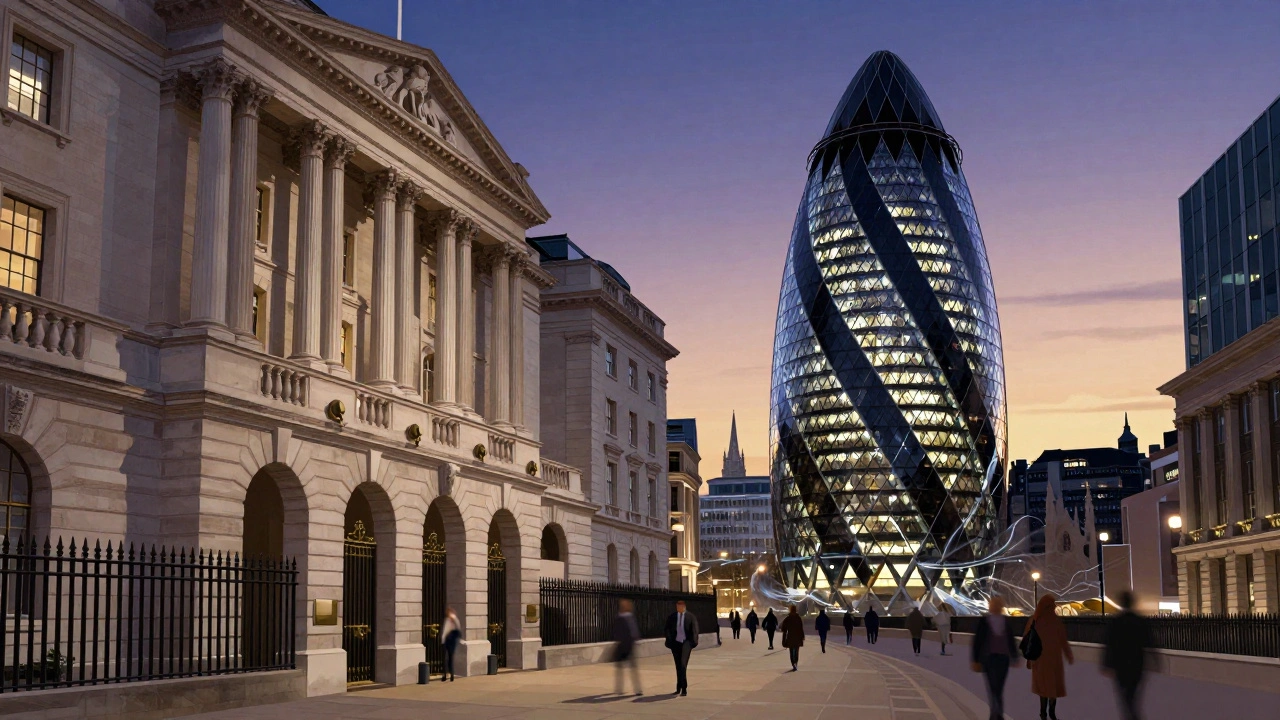
Head north to the financial district and you’ll find another collision. The Bank of England, founded in 1694, still stands on Threadneedle Street with its heavy stone columns and iron gates. Inside, the vaults hold gold bars worth billions-some still stamped with the reign of Queen Victoria. Outside, the building is guarded by modern security systems, CCTV, and armed patrols. It’s not just a bank. It’s a symbol of continuity.
Across the street, the Gherkin (30 St Mary Axe) looks like it landed from another planet. Designed by Norman Foster and finished in 2003, its curved glass skin reduces wind load by 20% compared to traditional towers. It uses 50% less energy than similar buildings thanks to its double-skin façade and natural ventilation. The Bank of England holds centuries of tradition. The Gherkin holds the future of sustainable design. And yet, they share the same pavement. Commuters in suits walk between them without a second glance. That’s London.
London’s hidden architectural dialogue
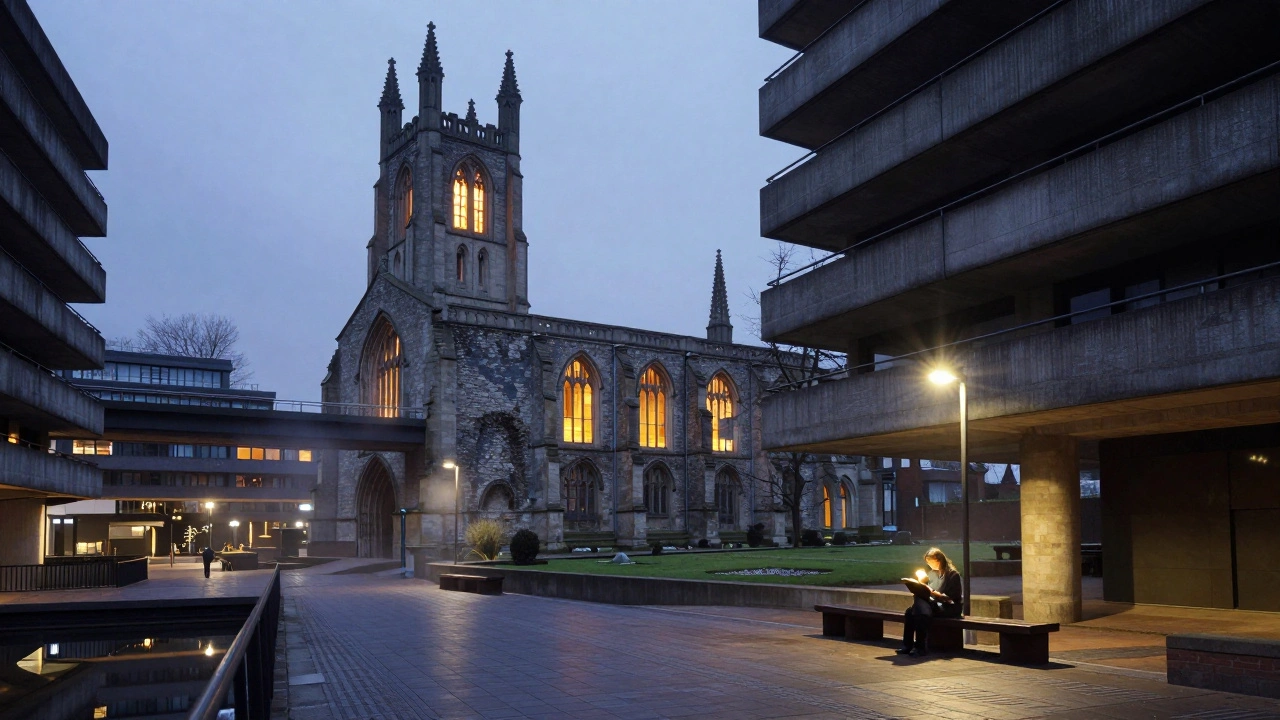
It’s not just the big names. Look closer. At the Barbican Estate, brutalist concrete towers from the 1970s sit beside a 16th-century church-St. Giles Cripplegate. The church was bombed in 1940. The Barbican was built over its ruins. The architects didn’t hide the damage. They framed it. You can still see the original stone arches integrated into the modern complex. It’s not a restoration. It’s a conversation.
Down in Canary Wharf, the One Canada Square tower-once the tallest in the UK-was finished in 1991. It was meant to be a symbol of London’s financial rebirth after the Docklands decline. Today, its silhouette is dwarfed by newer towers, but it still stands as the anchor. Walk around its base and you’ll see families picnicking on the grass, students sketching its shape in notebooks, and office workers grabbing coffee from Pret or Starbucks. It’s not just architecture. It’s part of daily life.
How London keeps the balance
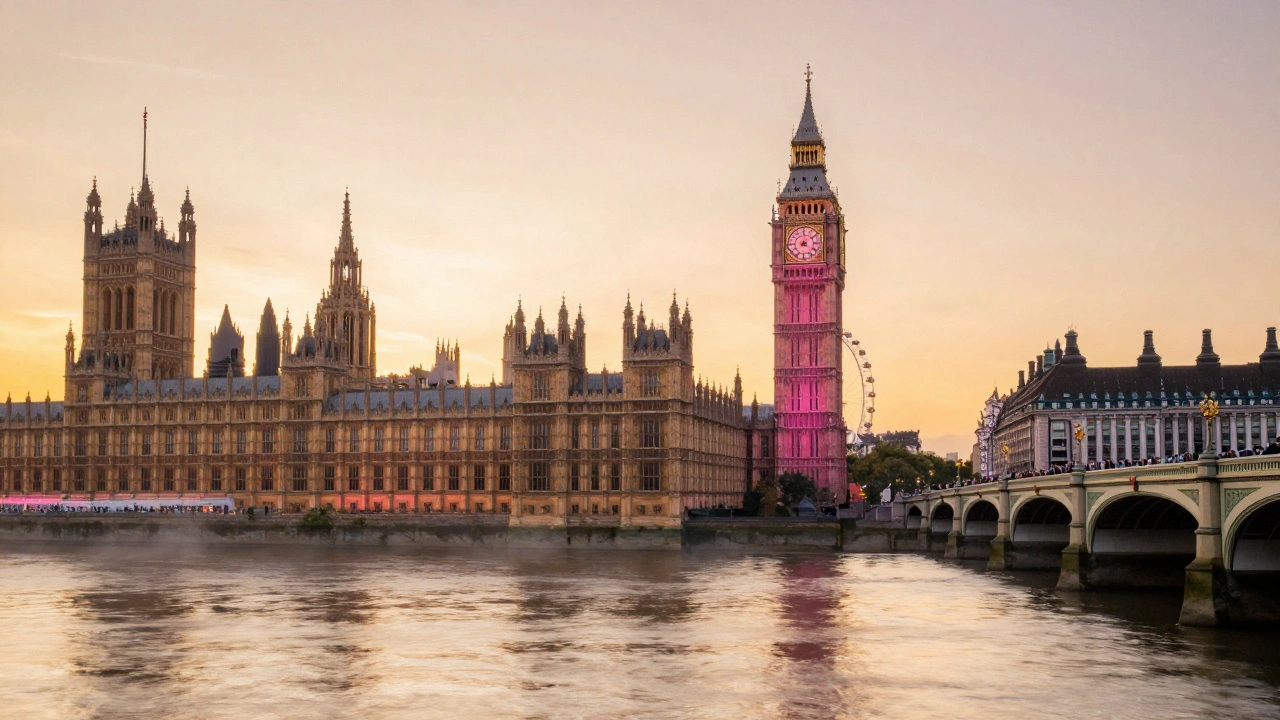
This isn’t accidental. The City of London Corporation and Historic England work together to protect sightlines. There are over 100 protected views across the capital-from the Tower of London to St. Paul’s, from Parliament to the London Eye. If a developer wants to build taller than 12 storeys near a historic site, they need to prove their design won’t disrupt a view that’s been protected since 1937.
Even the lighting matters. At night, the Tower Bridge is lit in warm amber, not cold blue LEDs. The Shard’s top 10 floors glow with soft white light, mimicking the old gas lamps that once lined the Thames. These aren’t just aesthetic choices. They’re cultural ones. London doesn’t want to look like Dubai or New York. It wants to look like itself: layered, proud, and deeply rooted.
Where to see it for yourself
Want to experience this blend firsthand? Start at the Tower of London. Walk through the White Tower’s 900-year-old walls, then turn around and look west. There, rising above the river, is the modern glass office blocks of the City. The contrast is jarring-and beautiful.
Take the Jubilee Line from Westminster to Canary Wharf. The stations alone tell the story: Westminster’s vaulted ceilings echo medieval cathedrals. Canary Wharf’s station is all steel, light, and motion. Same line. Different centuries.
Or just sit on the steps of Tate Modern, facing the river. On your left: St. Paul’s. On your right: the Walkie Talkie (20 Fenchurch Street), with its sky garden and curved shape that once melted cars in 2013 (yes, really). The building’s design was tweaked after that incident. London didn’t tear it down. It fixed it. That’s the attitude.
Why this matters beyond architecture
London’s buildings aren’t just stone and steel. They’re a reflection of how the city thinks. It doesn’t erase. It adapts. A Georgian townhouse might now house a tech startup. A Victorian warehouse became a boutique hotel. A 19th-century power station turned into a gallery. The city doesn’t treat history as a museum piece. It treats it as a foundation.
That’s why Londoners don’t get upset when a new tower goes up. They ask: Does it respect the view? Does it use less energy? Will it still feel like London in 50 years? The answer usually lies in the details-the materials, the height, the light, the way it connects to the street.
It’s why the city still has more than 11,000 listed buildings. Not because it’s stuck in the past. Because it knows the past holds the keys to the future.
What you won’t find in London
You won’t find a skyline dominated by identical glass towers. You won’t see entire districts bulldozed for shiny new developments. You won’t find a building that ignores its context.
London doesn’t do demolition. It does dialogue. It doesn’t replace. It layers. And that’s why, even as the city grows, it still feels like home to those who’ve lived here for generations-and to those who just arrived yesterday.
Michael Allerby
January 13, 2026 AT 07:02Man, I’ve walked those streets and it’s like stepping into a time machine that never stops spinning. One second you’re dodging pigeons near St. Paul’s, next you’re getting photobombed by a drone filming The Shard. London doesn’t just tolerate history-it throws it a party and lets it dance with the future. The way the Gherkin breathes with natural airflow while the Bank of England still smells like old leather and gold? Pure magic.
I’ve seen cities tear down old buildings to build glass boxes. London? It lets the old ones whisper advice to the new ones. That’s why it still feels alive, not curated.
Devin Tankersley
January 14, 2026 AT 16:29Ugh, this is such a pretentious love letter to gentrification. The Shard? A vanity project for billionaires. The Bank of England? A relic of colonial wealth. And you call this ‘dialogue’? It’s just rich people letting the poor walk past their monuments while rent doubles every year. They don’t preserve history-they monetize it. And don’t get me started on that ‘sky garden’ that melted cars. That’s not design, that’s a crime scene with a view.
Mathew Thomas
January 16, 2026 AT 09:47History doesn’t die here. It evolves.
Every brick has a story. Every glass panel, a dream.
London doesn’t choose between old and new.
It lets them hold hands.
And that’s the only architecture that truly lasts.
Jennifer bomabebe
January 16, 2026 AT 11:21Oh, my dear, this is absolutely, utterly, profoundly exquisite! The way you articulate the architectural harmony between the medieval and the modern-oh, it brings tears to my eyes! The Gherkin’s aerodynamic grace, the Bank’s stoic dignity, the Barbican’s brutalist soul-each structure is a verse in London’s eternal poem! I must share this with my entire book club in Lagos, we are all so moved! Please, may I have your permission to reproduce this in our newsletter? With full attribution, of course!
Kristen O.
January 17, 2026 AT 09:14Okay but like, the passive house metrics on The Shard? 50% less energy? That’s a BREEAM Outstanding rating right there. And the double-skin façade? Pure bioclimatic engineering. Meanwhile, St. Paul’s? Thermal mass yes, but zero IoT integration. The real story here is the carbon footprint disparity. Also, 🤯 that Walkie Talkie incident was peak architectural negligence. #SustainabilityWins #UrbanDesignFail
Heather Conover
January 19, 2026 AT 02:27How quaint. You refer to The Shard as a 'crystal dagger' as if that were poetic rather than vulgar. And the notion that London 'embraces' its past is a romantic delusion. The city doesn't embrace-it tolerates. The real triumph is the suppression of scale. A single tower obstructing St. Paul's would be an aesthetic atrocity. The planning rules aren't reverence-they're restraint. And the fact that you mention the Walkie Talkie's solar meltdown as if it were endearing? That's not charm. That's incompetence disguised as character.
Lisa Sanders
January 20, 2026 AT 17:11Look, I love America, but this is why we can’t have nice things! We don’t let some foreign city build skyscrapers that look like they’re from Star Trek right next to churches from the 1600s! We tear down the old ones and build better ones! This is why Europe is stuck in the past! We don’t need to preserve every crumbling brick-progress isn’t optional! And who cares if it blocks a view? We’ve got the Statue of Liberty, the Empire State, and the Golden Gate-those are real icons, not some dusty cathedral!
Joe Brown
January 22, 2026 AT 07:35Just came back from London last month. Sat on the steps of Tate Modern like you said. Watched a kid draw The Shard while his grandma pointed at St. Paul’s and said, 'That’s what your granddad saw when he came here in '52.' Didn’t say a word. Just smiled. That’s the real thing here. Not the glass, not the stone. It’s the silence between generations. That’s the architecture that lasts.
Also-Pret coffee is still the best in the world. No debate.