The Most Dramatic Cliffs and Scenic Viewpoints to Visit from London
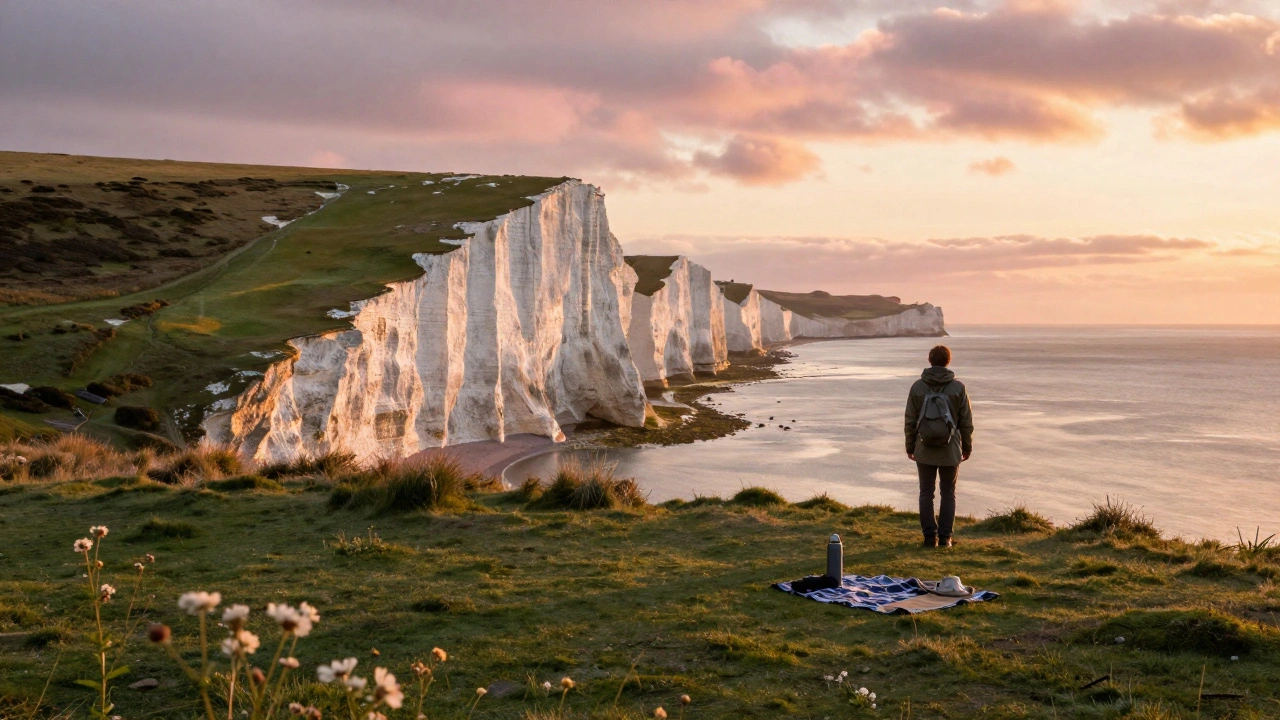
When you live in London, it’s easy to forget that some of the most breathtaking landscapes in the UK are just a train ride away. The city’s bustle, its Tube delays, and its endless cafés can make you feel like you’ve seen it all-until you stand at the edge of a cliff where the sea crashes below and the sky opens up like a painted canvas. You don’t need to fly abroad for drama. Some of the most powerful, silent, and awe-inspiring viewpoints in Europe are within easy reach of London’s rail network.
Seven Sisters Cliffs, East Sussex
The Seven Sisters are the poster child of England’s southern coastline. These chalk-white cliffs rise 162 metres above the English Channel, stretching in a sweeping curve like the ribs of some ancient sea creature. Walk the South Downs Way between Birling Gap and East Dean, and you’ll see why this spot is a favourite among Londoners escaping the city on a weekend. The path is flat enough for a casual stroll, but the views? They’re cinematic. On a clear day, you can see the white chalk of the cliffs mirror the clouds above. Locals often bring thermoses of tea from Fortnum & Mason and picnic blankets from John Lewis. Bring a camera-this is the place Instagrammers from Camden to Canary Wharf come to prove they’ve left the city behind.
How to get there: Take a direct train from London Victoria to Seaford (about 1 hour 15 minutes), then a 10-minute bus ride or a 20-minute walk to Birling Gap. Trains run hourly on weekends. If you’re feeling adventurous, rent a bike in Brighton and cycle along the coast-it’s 12 miles of pure coastal bliss.
Beachy Head, East Sussex
Just a stone’s throw from the Seven Sisters, Beachy Head is where the drama turns intense. At 162 metres, it’s the highest chalk sea cliff in Britain. The view from the top is both beautiful and unnerving-the sea below looks like crushed glass, and the wind carries the salt and the silence. There’s a small café near the car park that sells proper British scones with clotted cream, the kind you can only find in Sussex. It’s the perfect stop before you walk the last 200 metres to the edge.
Beachy Head is not just a view-it’s a cultural landmark. It’s been featured in films, poetry, and even a famous scene in Four Weddings and a Funeral. Locals say the best time to come is just before sunset, when the light turns the chalk a soft pink and the crowds thin out. Avoid Bank Holidays-this place gets packed with day-trippers from Kent and Essex. Weekday mornings are quiet, peaceful, and perfect for reflection.
Old Harry Rocks, Dorset
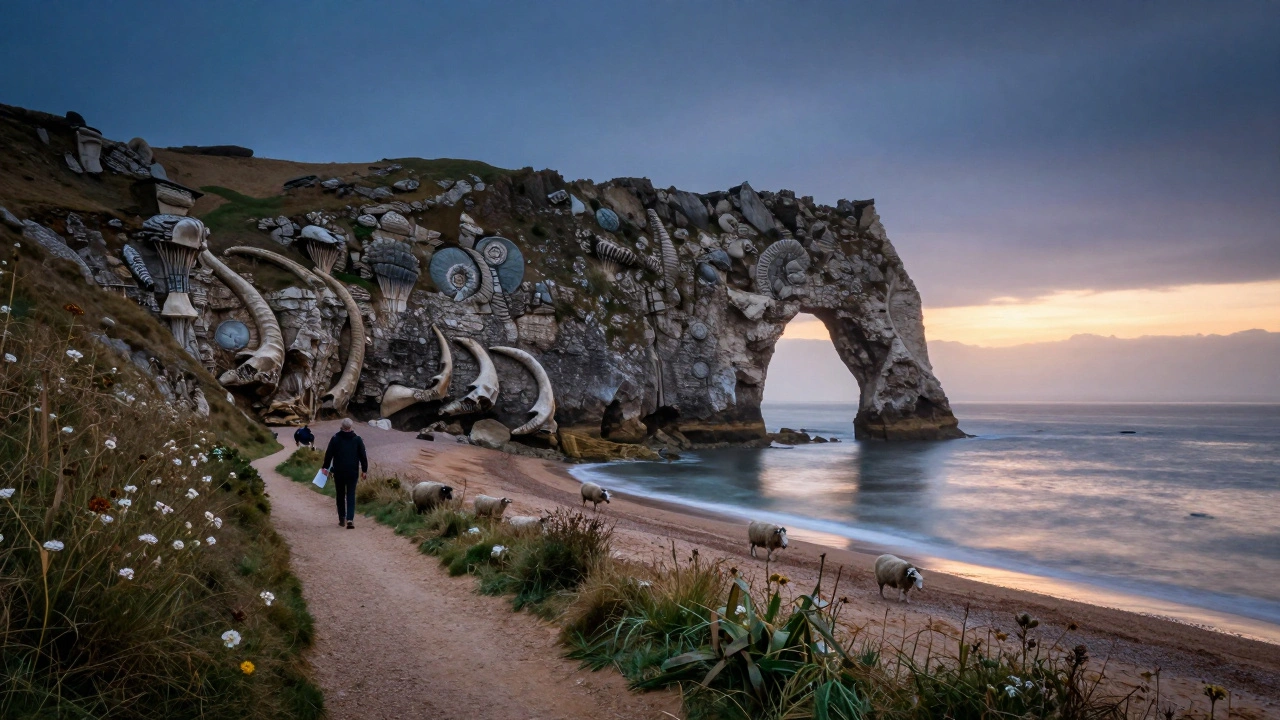
If you’re willing to go a little further-about 2 hours by train from London Waterloo to Poole, then a 15-minute bus to Studland-you’ll find Old Harry Rocks. These are not cliffs in the traditional sense. They’re limestone stacks, carved by the sea over millions of years, rising like the bones of a long-dead dragon from the water. The walk along the Jurassic Coast from Studland Bay to Handfast Point is one of the most peaceful in the country. You’ll pass wildflowers, grazing sheep, and the occasional fossil hunter with a hammer and a plastic bag.
This is geology you can touch. The rocks are part of a UNESCO World Heritage Site, and you’ll see real ammonite fossils embedded in the chalk. Bring a guidebook from Waterstones or download the free Jurassic Coast app. It’s a quiet spot, rarely crowded, and ideal for those who want to feel small in the best possible way.
Godrevy Cliff, Cornwall
For those who want to go further west, Godrevy Cliff near St Ives offers wild, Atlantic-facing views that feel like the edge of the world. The cliffs here are rugged, covered in heather and gorse, and drop sharply into the sea where seals bask on the rocks below. The nearby Godrevy Lighthouse, made famous by Virginia Woolf in To the Lighthouse, stands like a sentinel. Walk the coastal path from Gwithian to Godrevy and you’ll pass empty beaches, hidden coves, and the occasional surfer paddling out in a wetsuit.
It’s a longer journey-about 3 hours by train from London Paddington to St Ives, with a 20-minute walk from the station. But if you’re looking for solitude, this is it. The café at the car park serves Cornish pasties that taste like they were baked by someone’s nan. Bring a flask of strong tea. The wind here doesn’t blow-it howls.
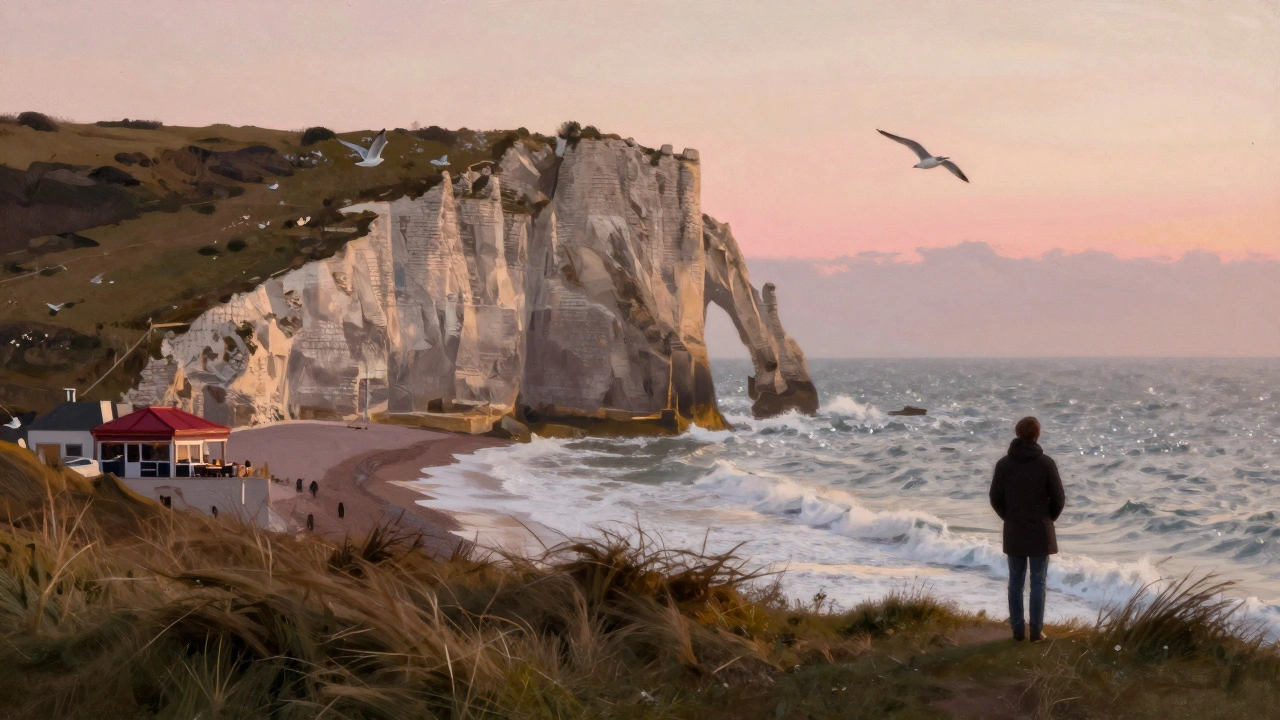
Stacks of the Breamish, Northumberland
Not many Londoners know about this one. The Breamish Valley isn’t a cliff, but the coastal stacks near Bamburgh Castle are. Walk the coast path from Bamburgh to Seahouses, and you’ll see the Farne Islands rising from the sea like broken teeth. The cliffs here are lower-about 60 metres-but the rawness of the North Sea makes them feel taller. On a winter day, with the wind biting and the gannets diving, it’s the most powerful view you’ll find in England.
Take a train from London King’s Cross to Alnmouth (about 3 hours), then a 15-minute taxi to Bamburgh. The castle is open year-round, and the café next door serves proper Yorkshire pudding with beef gravy-something you won’t find in central London. This is the kind of place where you sit on a rock, eat a sandwich, and just breathe. No one rushes you. No one asks for your ticket.
Flamborough Head, East Yorkshire
For the true adventurer, Flamborough Head is the hidden gem. The cliffs here are made of chalk too, but they’re steeper, wilder, and home to one of the UK’s largest seabird colonies. Thousands of guillemots, razorbills, and puffins nest here between April and July. You can walk the headland path and watch them dive into the sea like feathered missiles. The view stretches from the North Sea to the Humber Estuary.
It’s a 2-hour 45-minute train ride from London King’s Cross to Bridlington, then a 15-minute bus to Flamborough. The local pub, The White Horse, does a Sunday roast that’s worth the detour. Bring warm layers-this place is windier than a Tube platform at rush hour.
Why These Places Matter
Londoners don’t need to escape to Bali or the Amalfi Coast to find wonder. The UK has its own kind of grandeur-quiet, stubborn, and deeply British. These cliffs aren’t tourist traps. They’re places where you can hear your own thoughts. No one sells overpriced souvenirs here. No one yells for your attention. Just wind, sea, and sky.
These views remind you that Britain isn’t just about history, pubs, and queues. It’s also about space. About silence. About standing on the edge of something ancient and letting it reset you.
Plan one of these trips this month. Take the train. Leave your phone in your bag. Bring a sandwich from Marks & Spencer. And when you reach the cliff’s edge-don’t take a selfie. Just stand there. Let it sink in.
What to Pack for a Cliff Trip from London
- Weatherproof jacket-even in summer, the coast is windy. A Barbour or a Columbia waterproof is ideal.
- Sturdy walking shoes-no flip-flops. The paths are uneven, and the chalk can be slippery.
- Thermos with tea-Fortnum & Mason’s Earl Grey or Yorkshire Tea from a local supermarket.
- Snacks-a packet of crisps, a couple of biscuits, maybe a pasty from a local bakery.
- Map or offline GPS-networks die fast on the coast. Download the OS Maps app before you go.
- Camera or smartphone-yes, take photos. But don’t let it distract you from the moment.
Best Time to Visit
Spring and autumn are ideal. The crowds are gone, the weather is crisp, and the light is golden. Summer is busy, especially at Seven Sisters and Beachy Head. Winter? It’s raw, but if you can handle the wind, you’ll have the whole coast to yourself. And there’s nothing more peaceful than standing on a cliff in December with no one else around.
How to Make It a Full Day Trip
- Leave London by 7:30 AM to catch the first train.
- Arrive by 10 AM, walk the trail by noon, have lunch at a local café.
- Return on the last train-usually around 7 PM.
- Use Trainline or National Rail Enquiries to book tickets in advance. Off-peak fares from London to East Sussex start at £18 one way.
These aren’t just viewpoints. They’re reminders that beauty doesn’t need a flight. It just needs a train ticket, a bit of courage, and the willingness to step off the beaten path.
Are these cliffs safe for families?
Yes, but keep children close. The edges are steep and unfenced in many places. Stick to marked paths, especially at Beachy Head and the Seven Sisters. Avoid climbing on rocks or getting too close to the drop. Most trails are stroller-friendly up to the main viewpoints, but beyond that, you’ll need a baby carrier.
Can I visit these cliffs without a car?
Absolutely. All the locations listed are reachable by train and local bus. The Seven Sisters, Beachy Head, and Flamborough Head have direct rail links from London. From the station, it’s a 10- to 20-minute walk or a short bus ride. No car needed-just good walking shoes and a timetable.
Which cliff has the best photo opportunity?
Seven Sisters at sunrise, especially from Birling Gap, offers the most iconic shot: white cliffs against a pink sky with the sea below. For dramatic lighting, go in late autumn or early spring. Avoid midday sun-it flattens the contrast. Use a polarising filter if you have one.
Are there any free parking options near these cliffs?
Yes, but they’re limited. Beachy Head has a pay-and-display car park (£5-£7 for the day). At Seven Sisters, Birling Gap has free parking on weekdays after 4 PM. Flamborough Head has free roadside parking near the lighthouse, but arrive early. Avoid weekends if you want a spot.
What’s the best way to combine a cliff visit with a pub lunch?
At Beachy Head, head to The Beachy Head Café for a full English breakfast. In Cornwall, stop at The Old School House in St Ives for fish and chips with a view. In Northumberland, The White Horse in Bamburgh does a legendary Sunday roast. All are within walking distance of the cliffs and welcome walk-ins.
mahesh moravaneni
December 8, 2025 AT 12:18These cliffs? Pathetic. In India, we have the Western Ghats-10x more dramatic, 100x more ancient, and no one’s selling £7 parking tickets! You Brits think a chalk wall is nature? We have waterfalls that scream louder than your Tube delays. Stop pretending your little white rocks are sacred. This isn’t awe-it’s colonial nostalgia dressed up as a weekend getaway.
John Galt
December 9, 2025 AT 08:05While the logistical accessibility of these coastal formations is commendable from a metropolitan transit infrastructure standpoint, the ecological fragility of chalk cliff ecosystems remains grossly under-addressed in the discourse. The anthropogenic pressure exerted by weekend tourism, particularly at Seven Sisters and Beachy Head, exceeds the carrying capacity thresholds established by the UK’s Natural Environment Research Council. Furthermore, the normalization of ‘Instagrammable’ aesthetics as a proxy for experiential value represents a symptomatic collapse of phenomenological engagement with natural sublime. One must question whether the act of photographing the cliff, rather than observing it, constitutes a form of epistemological violence against the geological sublime.
Gail Maceren
December 10, 2025 AT 20:18I’ve done Beachy Head twice now-once in spring, once in fall. The fall one was magic. No crowds, just wind and seagulls. I brought a thermos of tea and sat on the grass for an hour just watching the waves. No phone. No music. Just… me and the ocean. Honestly? That’s the whole point. You don’t need to post it. You just need to be there.
AMock Media
December 12, 2025 AT 02:43Let’s be honest-these ‘hidden gems’ are curated by the same state-funded tourism boards that quietly suppress the truth about coastal erosion. The chalk cliffs are collapsing at an alarming rate, and yet the government continues to promote them as ‘safe family destinations.’ Coincidence? Or is this part of a larger geo-engineering narrative to redirect population density away from urban centers? The fact that they mention ‘no overpriced souvenirs’ while pushing Fortnum & Mason tea is telling. Who profits from this? Who owns the land? And why is there no mention of the military radar installations hidden behind the cliffs at Flamborough Head? I’ve seen the satellite imagery. They’re not just bird colonies.
Rahul Verma
December 13, 2025 AT 16:50I’ve been to Seven Sisters last year with my cousin. We took the train, walked from Seaford, and had a proper pasty from a little van near Birling Gap. Best £4 I ever spent. No one was yelling. No one was pushing. Just quiet, beautiful, and the sea smelled like freedom. I didn’t take a single photo. Just remembered how it felt. That’s enough.
Jennifer Kettlewell
December 15, 2025 AT 11:58Wake up. These cliffs are part of a deliberate psychological conditioning program. The UK government uses ‘scenic viewpoints’ as emotional pacifiers to keep the working class docile-distracting them with ‘nature’ while privatizing the rail system and slashing mental health funding. The ‘no phone’ advice? That’s not mindfulness-it’s surveillance avoidance. They don’t want you recording the erosion, the erosion of democracy. And don’t get me started on the ‘Yorkshire pudding’ comment-that’s a coded reference to Northern cultural assimilation. This isn’t a travel guide. It’s a soft power op.
Karinne Davidson
December 17, 2025 AT 06:16Thank you for this. I’m going to Seven Sisters next weekend. I’ll leave my phone in my bag. Just me, my thermos, and the wind. 🌿☕