The Legal Side of Adult Entertainment: What You Need to Know
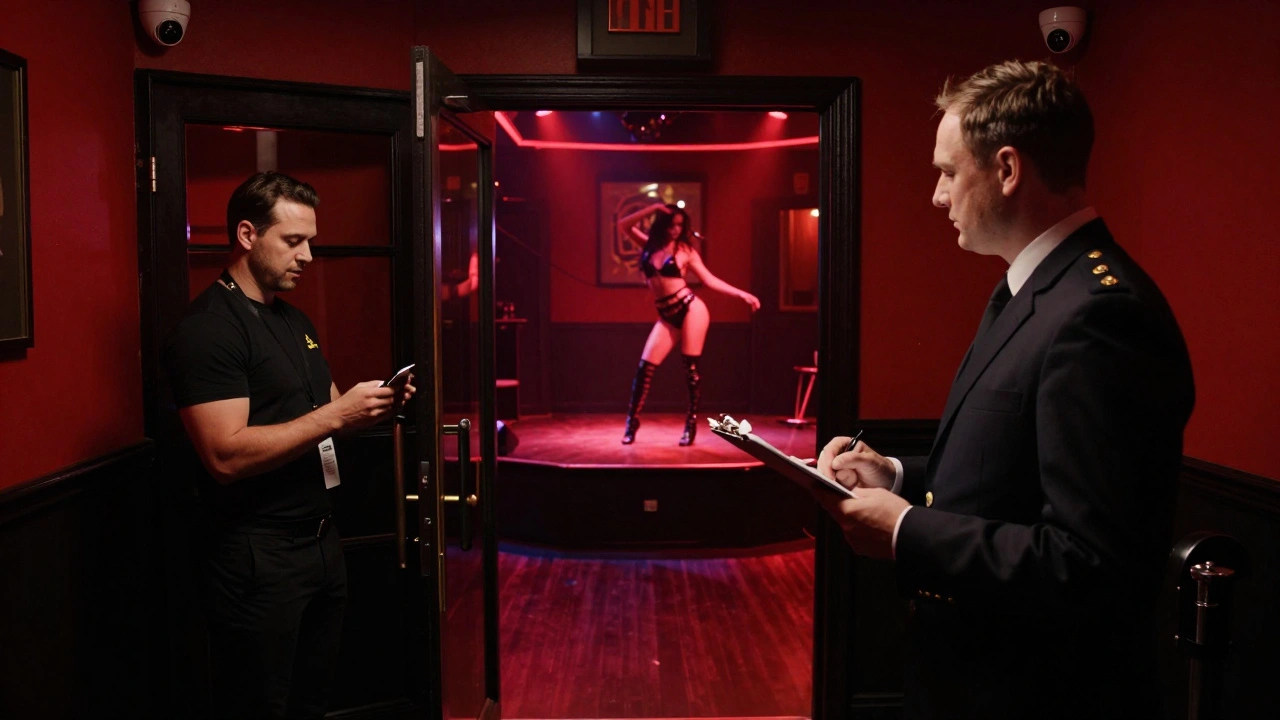
Adult entertainment isn’t just about performances-it’s a multi-billion-dollar industry built on contracts, permits, zoning laws, and strict compliance. If you’re involved in producing, performing, or even attending adult entertainment events, you need to understand the legal landscape. What’s allowed in one city might land you in court in another. This guide breaks down the real rules you can’t afford to ignore.
What Counts as Adult Entertainment Legally?
Adult entertainment includes live sex shows, strip clubs, adult film production, webcam modeling, and even certain types of adult-themed bars. But legally, it’s not the content alone that matters-it’s how, where, and who is involved.
In the UK, the Local Government (Miscellaneous Provisions) Act 1982 defines adult entertainment venues as places where nudity or sexual activity is performed for payment. This means even a private club with lap dances requires a license. The same law applies to online streams if they’re monetized and targeted at UK audiences. The key distinction? If money changes hands for sexualized performance, it’s regulated.
For example, a dancer performing topless at a nightclub in Soho needs a license. But if the same person streams private shows from home, it’s a different legal category-unless the platform is based in the UK and the content is promoted to UK users. Then, the UK’s Online Safety Act 2023 kicks in, requiring age verification and content moderation.
Do You Need a License?
Yes-if you’re operating a physical venue. Every adult entertainment venue in England and Wales must hold an adult entertainment license issued by the local council. Scotland and Northern Ireland have similar but separate systems.
The application process isn’t simple. You’ll need:
- A detailed site plan showing performance areas, entry/exit points, and security measures
- Proof of staff training in safeguarding and age verification
- Public consultation records showing no major local objections
- Proof of insurance covering public liability and employer responsibilities
Failure to get a license? Fines up to £20,000 and possible closure. London councils like Westminster and Lambeth have denied licenses to venues with poor security or complaints of harassment. In 2024, a Soho club lost its license after three incidents of underage patrons being admitted.
Who Can Perform?
Performers must be 18 or older. But it’s not just about age. Under UK law, anyone performing in adult content must provide:
- A valid government-issued ID
- Proof of legal right to work in the UK
- Consent documentation signed in front of a witness
Producers are legally required to keep these records for at least five years. If you’re filming, you’re responsible for verifying every performer’s identity-not just trusting a selfie or a CV. The British Board of Film Classification (BBFC) requires this for any commercial adult film distributed in the UK.
There’s also a growing legal risk with AI-generated content. If you use deepfake technology to create a performer who doesn’t exist-or one who did exist but didn’t consent-you could be violating the Deepfake Prohibition Act 2024. That’s a criminal offense with up to two years in prison.
What About Online Platforms?
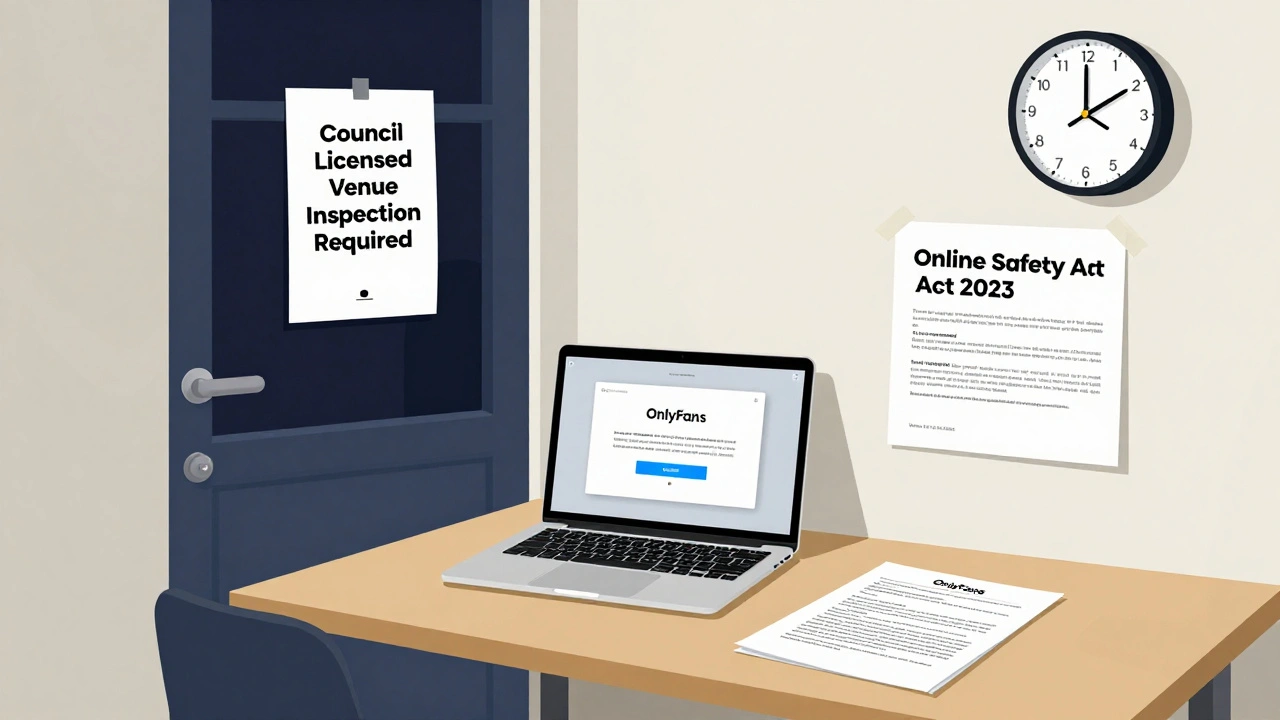
Streaming platforms like OnlyFans, ManyVids, and Patreon are legal-but only if they follow strict rules. Under the Online Safety Act 2023, platforms must:
- Verify the age of all users accessing adult content
- Remove illegal content within 24 hours of being flagged
- Provide clear reporting tools for users
- Prevent minors from seeing content through payment or login filters
Platforms that don’t comply can be blocked in the UK. In late 2024, a major US-based site was restricted after failing to implement age gates for UK users. Even if the platform is hosted overseas, if it targets UK customers, UK law applies.
For performers, this means your profile isn’t just a portfolio-it’s a legal document. If you’re under 18, using a fake ID to sign up is a criminal offense. If you’re over 18 but using someone else’s identity, you’re committing fraud.
Can You Be Arrested for Watching?
Watching adult entertainment in private? Generally, no. But there are exceptions.
If you access content that is illegal-like non-consensual material, underage imagery, or animal abuse-you can be charged under the Sexual Offences Act 2003. Police actively monitor peer-to-peer networks and report illegal downloads. In 2023, over 1,200 UK residents were investigated for accessing banned adult content.
Public viewing is also illegal. Showing adult films in a pub, a private party, or even a hotel room open to the public can lead to charges of “causing a public nuisance” or “obscene exposure.” In 2024, a man in Brighton was fined £1,500 after screening adult content at a house party with guests under 18.
What About Taxes and Contracts?
Income from adult entertainment is taxable. The UK’s HMRC treats it like any other self-employment income. You must register as self-employed and file a tax return. Many performers don’t realize this-and end up with penalties.
Contracts matter too. If you’re working with a studio or agency, your agreement should include:
- Payment terms and schedule
- Usage rights (where and how your content can be distributed)
- Right to withdraw consent
- Confidentiality clauses
Without a written contract, you have little legal protection. A 2024 High Court case ruled that a performer couldn’t sue for unpaid wages because there was no signed agreement-even though she had worked for over a year.
What’s Illegal in the UK Adult Industry?
Here’s a clear list of what you absolutely cannot do:
- Allow anyone under 18 to perform or attend
- Use coercion, threats, or manipulation to get consent
- Record or distribute non-consensual sexual content
- Use AI to create fake performers without their permission
- Operate a venue without a license
- Market adult content to minors
- Host live performances in unlicensed premises
These aren’t gray areas-they’re criminal offenses. Penalties range from fines to prison. The UK government has increased enforcement since 2022, especially around online platforms and underage access.
Where to Get Help
If you’re unsure about your legal standing, don’t guess. Contact:
- Your local council’s licensing department
- The UK Adult Industry Association (UKAIA) for industry guidance
- A solicitor specializing in media or employment law
Organizations like the Sex Workers’ Advocacy Network offer free legal advice to performers. They help with contract reviews, reporting abuse, and understanding your rights under employment law.
Remember: ignorance isn’t a defense. The law doesn’t care if you didn’t know. If you’re in this industry, you have a responsibility to know the rules.
Is it legal to perform in adult entertainment if I’m not a UK citizen?
Yes, as long as you have the legal right to work in the UK. You must provide proof of visa status or work permit. Performing without proper immigration status can lead to deportation, even if you’re following all other laws.
Can I film adult content in my own home?
You can, but only if you’re not operating a business from it. If you’re selling or distributing the content commercially, your home becomes a regulated venue. You’ll need a license, zoning approval, and possibly planning permission. Many local councils now actively investigate home-based studios.
What if I’m coerced into performing?
You are not legally responsible for consent if you were forced. UK law treats coercion as a criminal offense by the person who pressured you. Report it to the police or the UKAIA. You can also seek protection under the Modern Slavery Act-even if you were paid.
Do I need to declare income from OnlyFans?
Yes. HMRC treats OnlyFans income as self-employment earnings. You must register with HMRC, keep records of all payments, and file a tax return. Failure to do so can result in fines up to 100% of the unpaid tax, plus penalties.
Can I be sued by a former partner for using intimate footage?
Yes. Under the Revenge Porn Law 2015, sharing intimate images without consent is a criminal offense. Even if you recorded it consensually, if you later share it without permission, you can be prosecuted. Civil lawsuits for damages are also common.