The Art and Architecture of Hyde Park: London’s Living Canvas
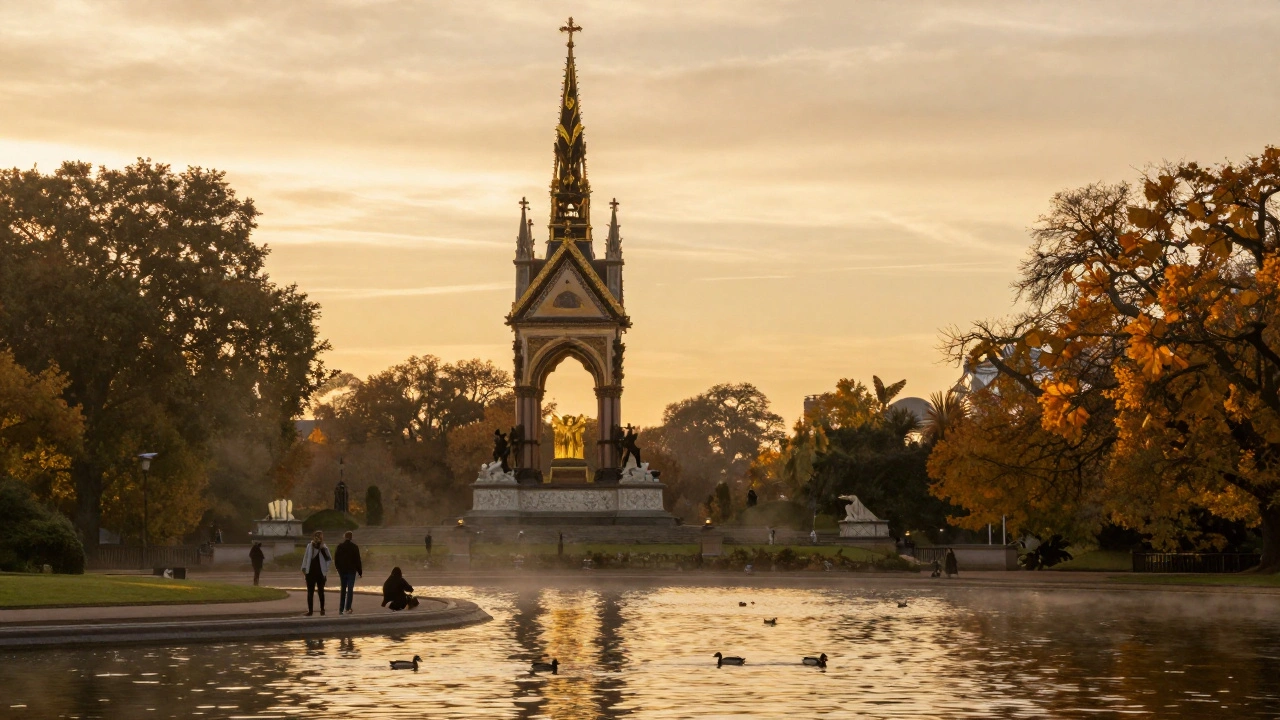
London’s most famous green lung isn’t just a place to walk the dog or picnic on a sunny afternoon-it’s a century-spanning masterpiece of landscape design, public art, and architectural storytelling. Hyde Park isn’t a park in the way a suburban garden is a garden. It’s a living museum, a stage for protest and celebration, and a quiet retreat tucked between the financial district and the royal palaces. If you’ve ever wandered past the Serpentine’s curved glass facade or stood beneath the Albert Memorial’s gilded angels, you’ve felt its weight-not just in trees and lawns, but in history.
From Royal Hunting Ground to Public Space
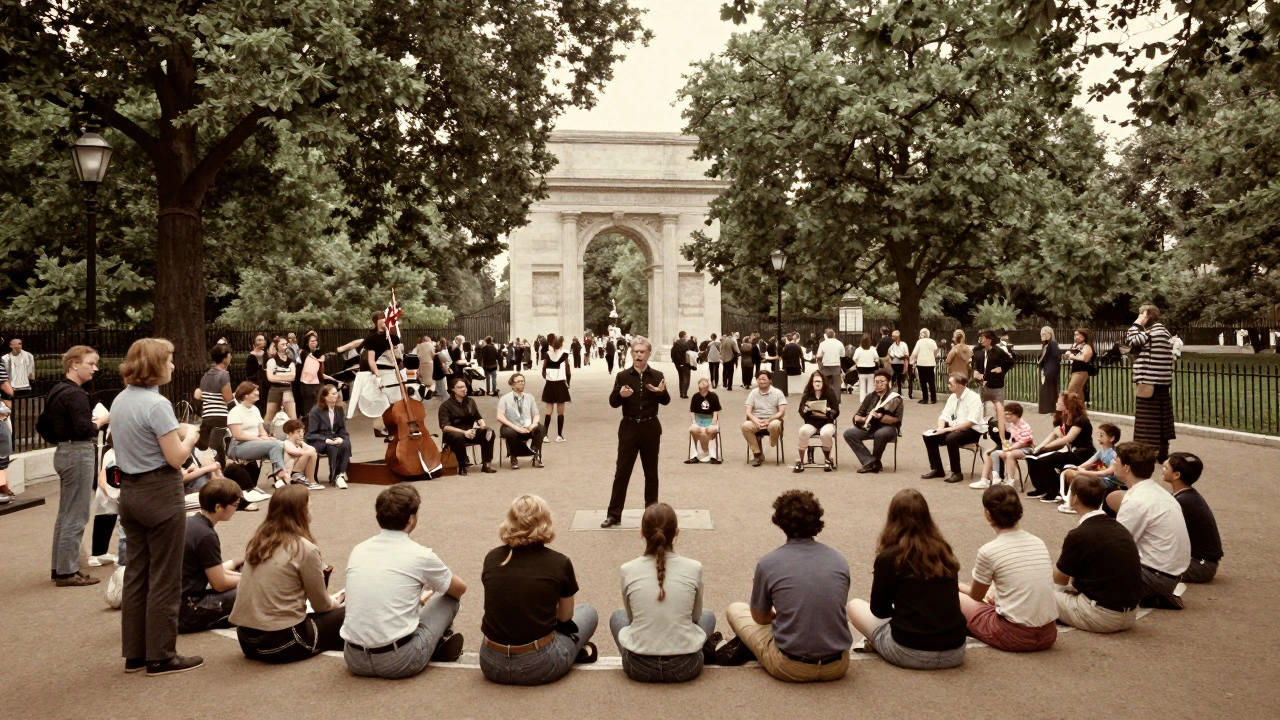
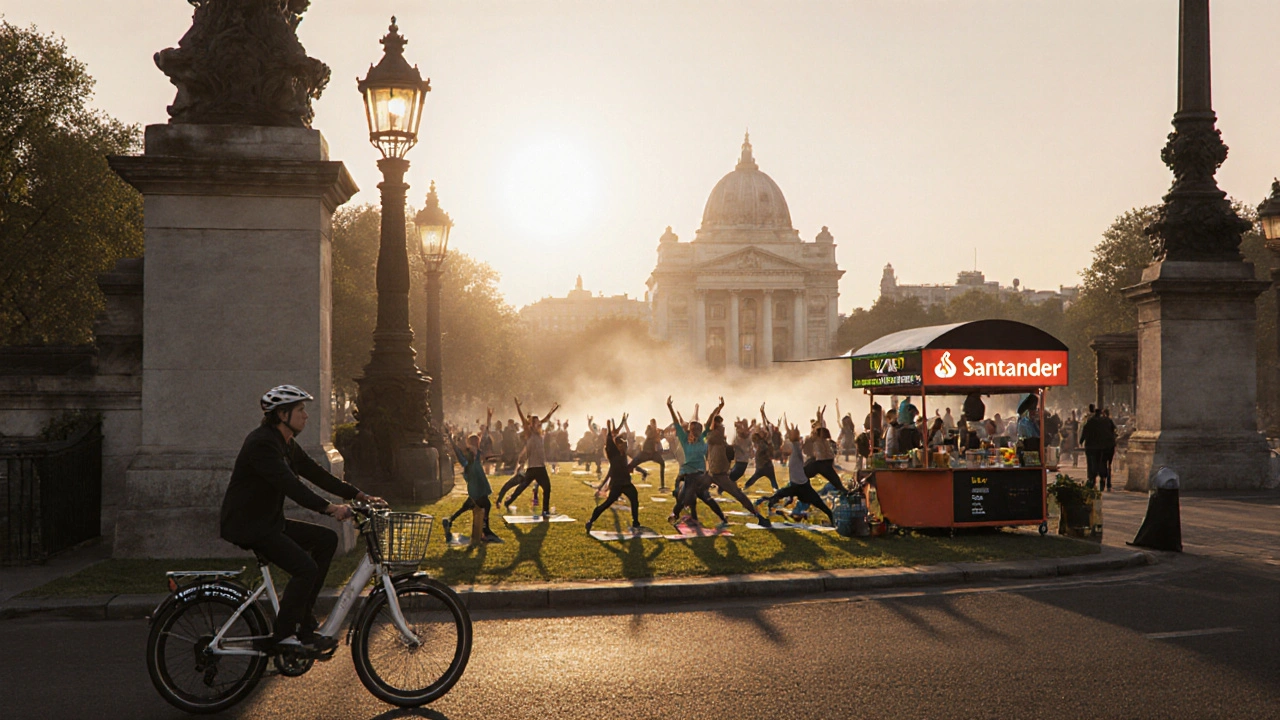
Hyde Park wasn’t always open to everyone. Before 1637, it was a private deer hunt for Henry VIII, enclosed by walls and guarded by royal keepers. When Charles I opened it to the public, he didn’t just change access-he changed London’s social fabric. Suddenly, merchants, poets, and servants could stroll where kings once rode. That shift echoes today in how Londoners use the park: not as a backdrop, but as a stage. You’ll see street musicians near Speakers’ Corner on Sundays, yoga groups near the Diana Memorial Fountain, and couples kissing under the chestnut trees near the Serpentine Bridge-all part of a tradition that began when the public first claimed this land.
The Architecture That Defines the Edges
Hyde Park doesn’t exist in isolation. Its borders are framed by buildings that tell their own stories. To the west, Kensington Palace-once home to Queen Victoria and now Princess Diana’s childhood home-casts a regal shadow over the park’s quieter western reaches. Its gardens, known as Kensington Gardens, blend seamlessly into Hyde Park, but the architecture shifts: formal terraces, ornate fountains, and the Italianate style of the Peter Pan statue stand in quiet contrast to the wilder, more natural feel of Hyde Park’s east.
At the park’s southeast corner, the Marble Arch, originally designed by John Nash as the grand entrance to Buckingham Palace, now stands like a forgotten monument to imperial ambition. Built from Carrara marble in 1827, it was moved here in 1851 to make room for the expanding palace. Today, it’s a meeting point for tourists and a shortcut for commuters heading from Oxford Street to the park. Few know it was once the gateway to the royal residence-now it’s just a photo stop between a Pret a Manger and a Tube station.
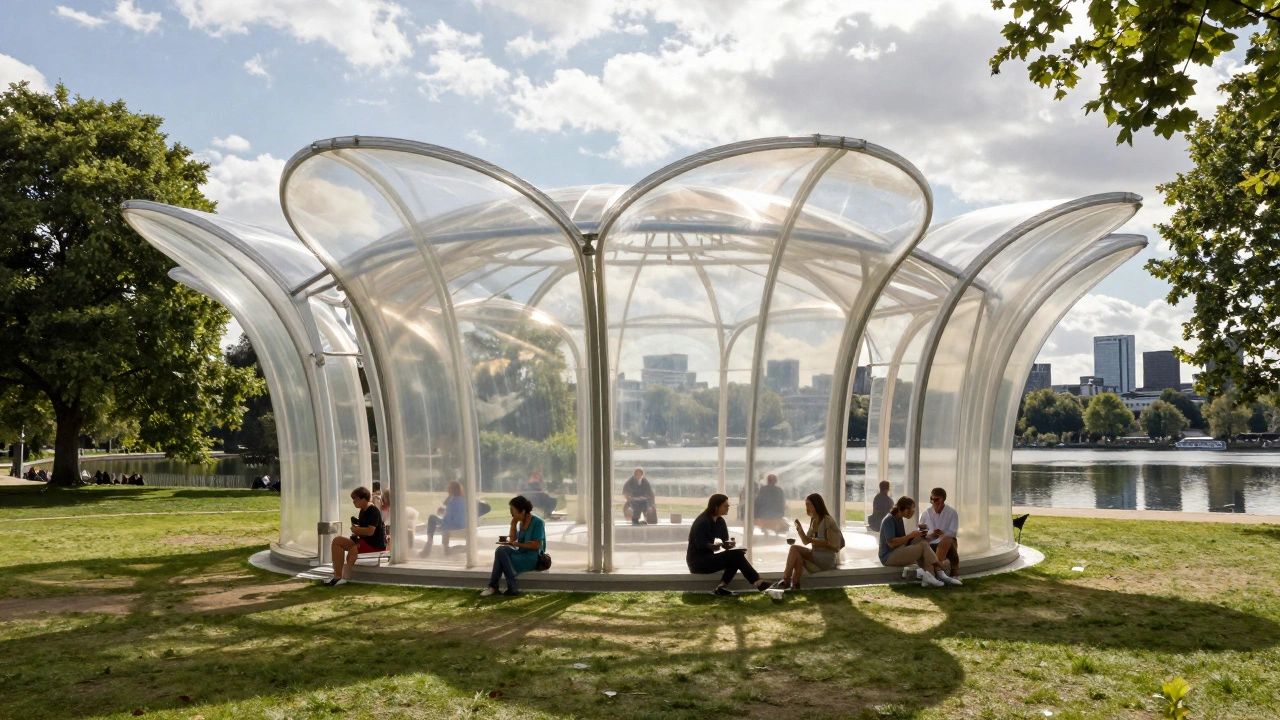
And then there’s the Serpentine Gallery. Opened in 1970 in a former tea pavilion, it’s now one of London’s most influential contemporary art spaces. Each summer, the gallery commissions a new temporary pavilion from a globally renowned architect-Zaha Hadid, Bjarke Ingels, Frida Escobedo. These structures, made of steel, glass, and translucent fabrics, rise like alien flowers in the grass. They’re gone by autumn, but they leave behind conversations about what public art should be. If you’ve ever sat inside one of these pavilions, sipping tea while watching the light shift through translucent walls, you’ve experienced Hyde Park’s quiet rebellion: art that’s temporary, accessible, and deeply British in its humility.
Statues, Monuments, and the Stories They Tell
Walk past the Long Water and you’ll find the Albert Memorial. It’s impossible to miss: a Gothic fantasy of marble, bronze, and gold leaf, built by Queen Victoria in memory of Prince Albert. The figures around its base represent the continents, the arts, and the sciences. It’s over-the-top, yes-but it’s also deeply human. Victoria didn’t just build a monument; she built a cathedral to grief. Today, it’s often ignored by tourists rushing to Kensington, but locals know it best at dusk, when the light catches the gilded angels and the park falls silent.
Further north, near the park’s north gate, the statue of Richard Coeur de Lion on horseback stands guard. Commissioned in 1860, it’s one of the first equestrian statues in London to be cast in bronze from captured cannons. The irony? The king it honors never set foot in England during his reign. But the statue’s presence speaks to how London uses monuments-not to celebrate perfect heroes, but to reflect national myths. It’s not about truth. It’s about what we choose to remember.
Art in the Open Air
Hyde Park is one of the few places in London where you can stumble upon world-class sculpture without buying a ticket. The park’s open-air art program, managed by the Royal Parks, rotates pieces every few years. In 2023, the bronze figure of Hyde Park’s own ‘The Kiss’ by Auguste Rodin-on loan from the Tate-was placed near the Rose Garden. It wasn’t labeled. No plaque. Just a bench nearby, and people sitting quietly beside it, watching the light change. That’s the point. Art here isn’t locked behind glass. It’s meant to be felt, not studied.
And then there’s the annual Art in the Park exhibition, where emerging UK artists display work on wooden panels along the Serpentine’s edge. Last year, a 24-year-old student from Goldsmiths installed a series of mirrored panels that reflected the sky and the walkers-turning the park into a living canvas. People stopped, took selfies, then sat and just watched. That’s Hyde Park: a place where art doesn’t shout. It waits.
Seasons in the Park
Hyde Park changes with the seasons like a stage set. In spring, the tulips bloom in the Rose Garden near Lancaster Gate, and locals bring picnics with Warburtons toast and Fortnum & Mason jam. In summer, the park hosts open-air concerts-Bryan Adams, Dua Lipa, or the London Symphony Orchestra under the stars. The Serpentine’s summer parties draw crowds in linen dresses and vintage sunglasses. Come autumn, the plane trees turn gold, and the air smells of damp earth and roasted chestnuts from the stalls near the Knightsbridge entrance. Winter brings the Winter Wonderland fair-ice skating under fairy lights, mulled wine in ceramic mugs, and the scent of gingerbread drifting over the snow-dusted lawns.
And don’t forget the ducks. The park’s 150+ ducks aren’t just decoration. They’re part of the rhythm. Locals know which benches feed them the most bread, and which ones the park wardens quietly discourage. The ducks have become unofficial landmarks-the ones near the Serpentine Lake are the most fearless, the ones near the Albert Memorial are the shyest. They’ve seen it all: protests, proposals, and police horses on patrol.
Why Hyde Park Matters to Londoners
Hyde Park isn’t just a park. It’s where Londoners go to breathe. When the Tube is delayed, when the news feels heavy, when the city gets too loud-it’s here that people find quiet. You’ll see a nurse from St. Mary’s Hospital sitting alone on a bench, reading. A student from LSE sketching the clouds. A retired postman feeding pigeons with his grandson. No one here is performing. They’re just being.
That’s what makes Hyde Park different from other London attractions. It doesn’t demand your attention. It doesn’t charge you. It doesn’t need your approval. It simply exists-quiet, layered, and endlessly generous. And in a city that’s always rushing, that’s the rarest thing of all.
Stuart Ashenbrenner
December 13, 2025 AT 05:50Hyde Park? Yeah, it’s nice and all, but let’s be real - it’s just a glorified lawn with statues and tourists taking pics like it’s the Louvre. I’ve seen real nature in Yellowstone, and this? This is urban landscaping with a side of British pretension. Still, I’ll admit, the Serpentine Pavilion thing is kinda cool. Like, who lets architects build alien structures in a public park? That’s either genius or madness. Probably both.
And the ducks? Cute. But I’ve seen ducks in Central Park that actually have personality. These ones look like they’re on a corporate retreat.
Raven Ridinger
December 14, 2025 AT 12:40Oh. My. GOD. This post is a 2,000-word love letter to a park that’s basically a tourist trap with extra steps. Who wrote this? A PR agent for the Royal Parks? Please. The Albert Memorial? A gilded monstrosity built by a widow who couldn’t move on. The Serpentine? A trendy gimmick for rich people to take Instagram selfies. And don’t even get me started on ‘art that doesn’t shout’ - that’s just code for ‘we can’t afford to pay for proper galleries.’
Also - ‘hybrid’? ‘Living canvas’? ‘Quiet rebellion’? Are you writing a college essay or a travel brochure? Someone needs to fact-check this and then delete it. And why is everyone pretending these ducks have ‘personalities’? They’re birds. They eat bread. They poop on benches. That’s it.
Also - Rodin’s ‘The Kiss’? Unlabeled? No plaque? That’s not art - that’s vandalism with a side of pretentiousness. Who authorized that?!
Timothy Chifamba
December 15, 2025 AT 23:31Man, this post got me nostalgic. I remember visiting Hyde Park back in 2018 - I was in London for a conference, and I took a lunch break there. Didn’t know anything about the history, just sat under a tree, ate my jollof rice from a takeaway, and watched this old man feed the ducks with crusts from his sandwich. He smiled at me like we were sharing a secret.
That statue of Coeur de Lion? Yeah, I stood there for like 10 minutes wondering why a king who never even came to England has a bronze horse in the middle of a park. But then I realized - it’s not about him. It’s about how London holds onto stories, even the weird ones. The park doesn’t need to explain itself. You just feel it.
Also - the winter fair? Best thing ever. I bought a gingerbread man shaped like a duck. It was delicious. And the ice skating? I fell three times. But I laughed harder than I have in years.
And the ducks? They know who’s got bread. I swear, one of them glared at me when I didn’t have any. That’s loyalty right there.
Bottom line: this park doesn’t need fancy words. It just needs people. And it gets them. Every day.
Also - the Serpentine pavilion last year? The one with the mirrors? I sat there for 20 minutes just watching clouds reflect in the panels. Felt like I was floating. That’s magic, not marketing.
andre maimora
December 17, 2025 AT 04:04Hyde Park? That’s where they stage the fake protests and the fake art. The government owns it. The royal family owns it. The real story? They let people in so they can watch them. That’s control disguised as freedom. The ducks? Trained. The statues? Propaganda. The Serpentine Pavilion? A distraction for the woke elite who think art should be temporary so they don’t have to pay taxes on it.
They say it’s free? Yeah, right. You pay with your attention. You pay with your silence. You pay with your compliance. They let you sit on a bench and ‘breathe’ - but only if you don’t question why the benches are placed exactly where they are. Why the paths curve just so. Why the trees are trimmed to look ‘natural.’
They want you to think this is peace. It’s not. It’s performance. And the people who write these articles? They’re part of the system. They’re paid to make you feel good about being watched.
And the Albert Memorial? That’s not grief. That’s a monument to empire. Queen Victoria didn’t mourn Albert - she mourned the power he represented. And now we’re supposed to admire it? No thanks.
They’ll tell you it’s history. I say it’s surveillance with grass.
Delilah Friedler
December 18, 2025 AT 08:12I appreciate the depth of this piece - it’s rare to encounter writing that captures the quiet, layered humanity of public spaces without resorting to clichés. The observation about the ducks having distinct behaviors based on location is particularly astute; it speaks to the organic, evolving relationship between humans and environment. The way Hyde Park functions as an unspoken sanctuary - free, uncurated, and deeply personal - is a counterpoint to the increasingly transactional nature of urban life.
I also found the contrast between the formal architecture of Kensington Gardens and the wilder, more democratic feel of Hyde Park’s eastern side to be a compelling metaphor for social cohesion. The fact that the park accommodates everything from yoga groups to protest speakers without institutional friction is a testament to thoughtful, long-term urban planning.
And the temporary nature of the Serpentine pavilions? Brilliant. It reflects a culture that values experience over permanence, and accessibility over exclusivity. No other city in the world would allow a Zaha Hadid structure to rise and vanish like a seasonal bloom - and yet here, it’s normal. That’s not just design. That’s wisdom.
Thank you for reminding us that some of the most profound experiences in life require no ticket, no guide, and no explanation - only presence.