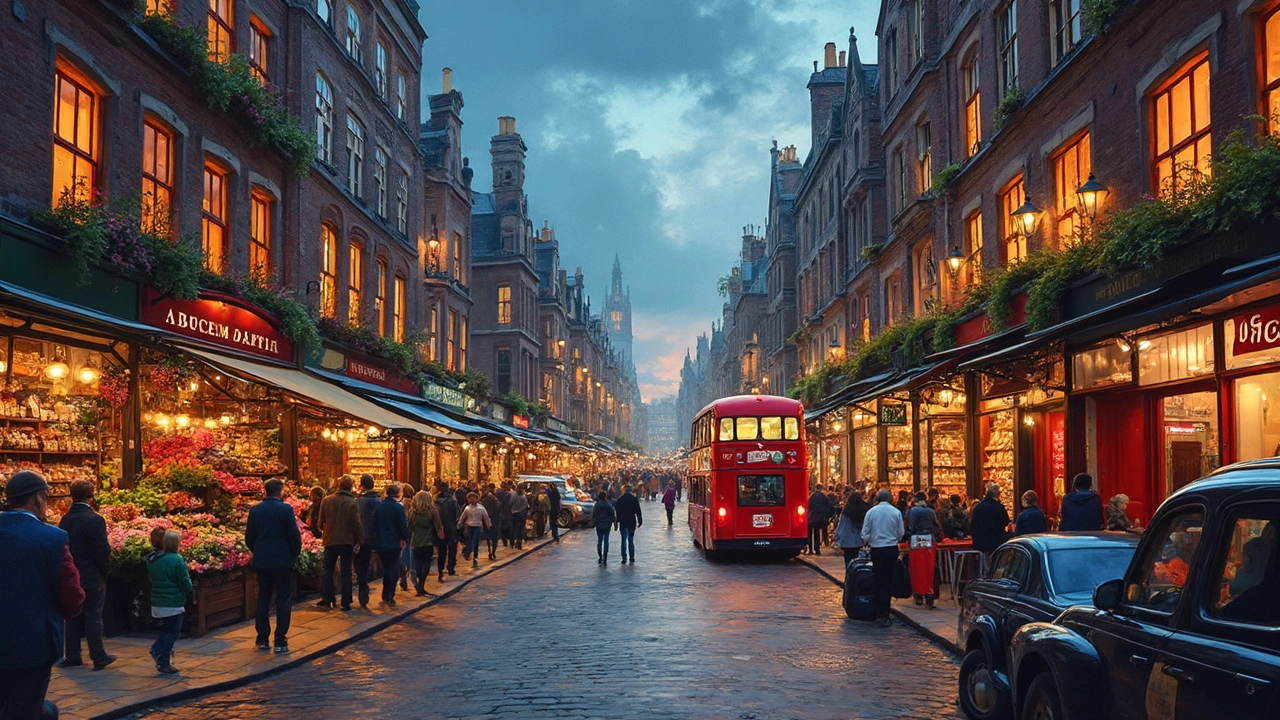
Popular Museums That Are Worth the Hype in London
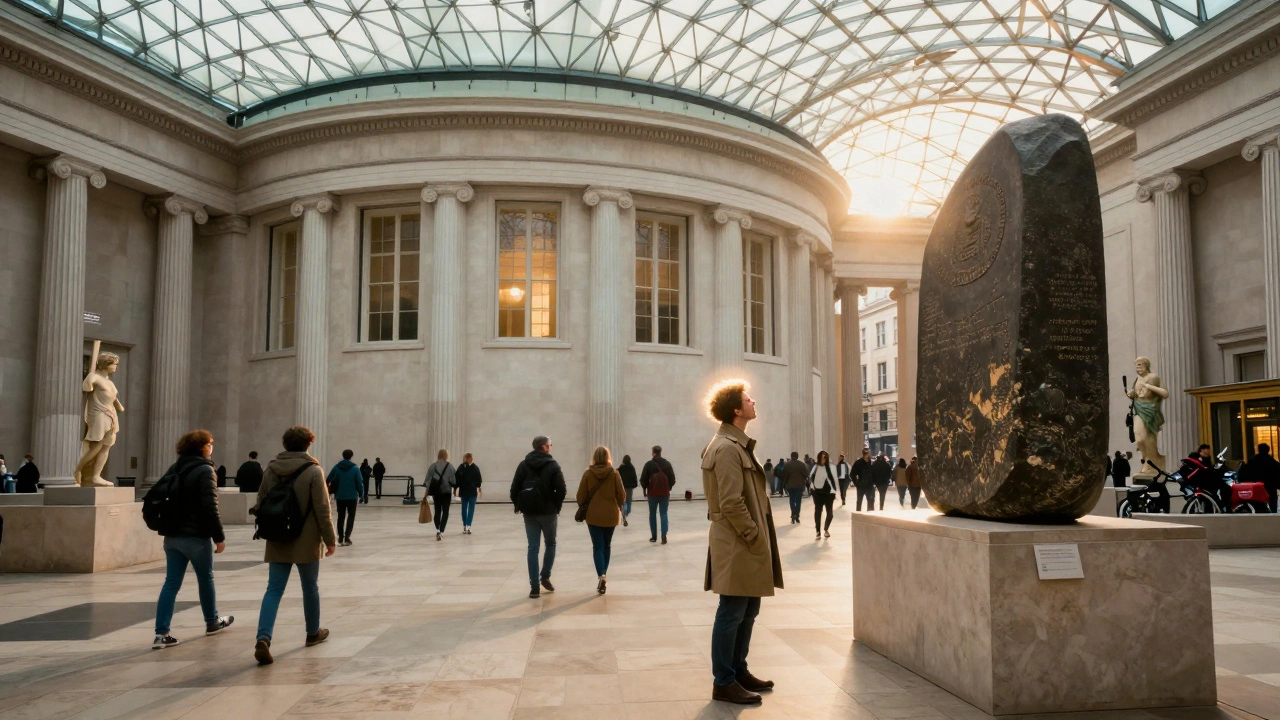
When it comes to culture in London, museums aren’t just buildings with old stuff-they’re the heartbeat of the city. You can walk into the British Museum and stand inches from the Rosetta Stone, then step outside and be back on a busy Bloomsbury street, dodging delivery bikes and tourists with maps. That’s the magic of London’s museum scene: world-class collections, zero entry fees, and a rhythm that fits right into the city’s pulse. Forget the idea that museums are quiet, dusty places. In London, they’re alive, crowded, and often the best way to spend a rainy afternoon-or a perfect Sunday morning.
British Museum: The Original Powerhouse
If you’ve ever seen a photo of the Great Court with its glass roof and swirling crowds, you’ve seen the British Museum in action. Opened in 1759, it’s one of the oldest public museums in the world, and it’s free. That’s not a typo. You can spend an entire day here, from the Elgin Marbles in Room 18 to the Egyptian mummies in Room 63, and you won’t pay a penny. Locals know the trick: arrive early on weekdays to beat the tour groups. The café on the ground floor, run by Quo Vadis, serves proper tea and scones-no overpriced vending machine fare here. And if you’re coming from King’s Cross, it’s a 15-minute walk past the British Library, where you can peek at the original Magna Carta if you’ve got extra time.
Tate Modern: Where Art Gets edgy
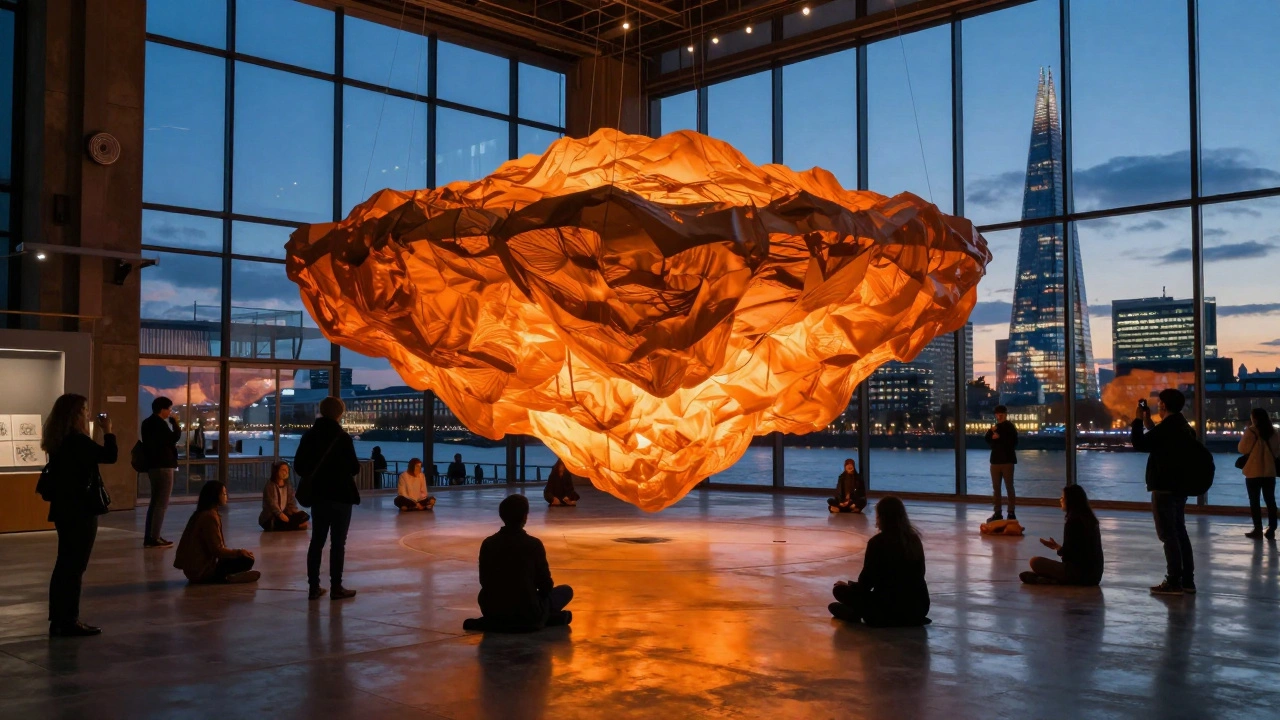
Across the Thames, the Tate Modern is where London’s contemporary art scene lives. Housed in a converted power station on Bankside, it’s the kind of place where you’ll see someone meditating in front of a giant Rothko, a group of schoolkids sketching a neon installation, and a couple taking selfies with the Shard in the background. The Turbine Hall is the showstopper: each year, a new commission turns the space into something surreal-a floating island, a giant spider, a wall of spinning mirrors. It’s always free. The view from the 10th-floor terrace is worth the trip alone: the river, the Millennium Bridge, and St. Paul’s all in one frame. Grab a coffee from the Shakespeare’s kiosk and sit outside. You’ll see more art here than in half the galleries in Paris.
Victoria and Albert Museum: The Craft Capital
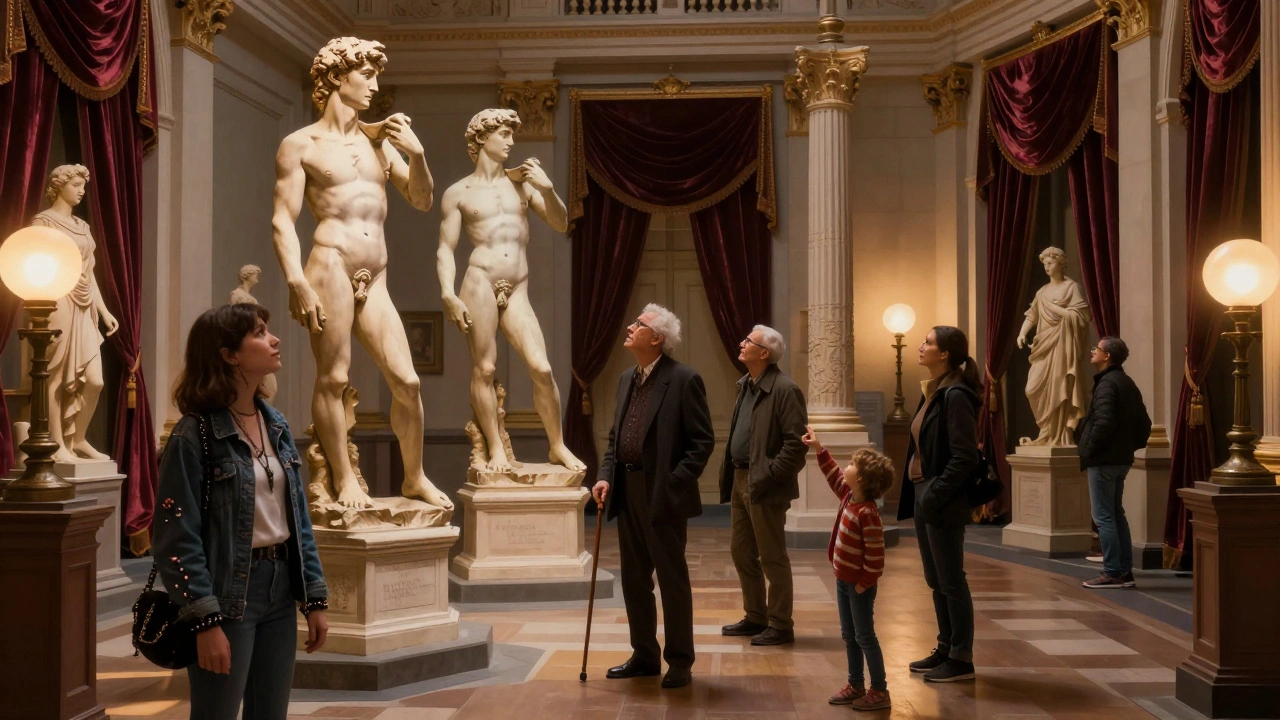
If you’ve ever wondered how a 17th-century lace collar or a 1980s punk jacket ended up in the same room, the V&A is your answer. It’s the world’s largest museum of decorative arts and design, and it’s tucked into South Kensington, right next to the Natural History Museum and the Science Museum. You can spend hours in the Fashion Gallery, tracing how British tailoring evolved from royal corsets to Vivienne Westwood’s safety-pin dresses. The Cast Courts are a hidden gem: full-scale replicas of Michelangelo’s David and the Trajan Column, all made in the 1800s. The museum’s café, the V&A Café, is run by the same team behind the Michelin-starred Dishoom, and their afternoon tea includes Earl Grey scones with clotted cream from Devon. Pro tip: the museum stays open until 10pm on Fridays-perfect for a post-work cultural reset.
National Gallery: Old Masters, Right in the Heart
Right on Trafalgar Square, the National Gallery feels like the soul of London’s art world. Van Gogh’s Sunflowers? Check. Turner’s stormy seascapes? Check. Botticelli’s Venus? Check. It’s all here, free, and easy to navigate. Unlike some museums that sprawl, this one’s compact. You can do the highlights in two hours, but most Londoners come back again and again. The famous Turner Contemporary room, with its natural light from the skylight, is the best place to study brushwork. If you’re hungry, the Gallery Café serves proper British sandwiches-ham and mustard, egg and cress-with proper tea in china cups. And if you time it right, the square outside hosts free outdoor film screenings in summer. Bring a blanket, a bottle of wine, and your sense of calm.
Science Museum: For When You Want to Feel Like a Kid Again
Don’t let the name fool you. The Science Museum isn’t just for school trips. It’s where Londoners go to rediscover wonder. The Flight Gallery has the original Wright Flyer. The Energy Hall has a working steam engine that roars every hour. The Interactive Zone lets you control a robotic arm, test your reaction time, or even simulate landing a spacecraft. It’s all free. And yes, there’s a real Apollo 10 command module hanging from the ceiling. Kids love it. But so do adults who’ve never seen a working model of a Victorian telegraph machine. The museum’s IMAX theater shows documentaries on space, oceans, and climate change-often with free tickets for London residents on Tuesday evenings. It’s the kind of place that makes you feel smarter, not just entertained.
Design Museum: The Quiet Contender
Most tourists skip this one. Locals don’t. The Design Museum in Kensington is small, modern, and always changing. One month it’s all about sustainable fashion; the next, it’s the history of the British pub sign. It’s curated like a high-end gallery, not a textbook. Past exhibitions include the evolution of the London Underground map, the rise of streetwear in the UK, and the design of British voting booths. The café, with its minimalist tables and views of the Thames, is a favorite for freelancers working remotely. If you’re into architecture, the building itself-a 1930s modernist warehouse-is worth a look. It’s the kind of museum that makes you think differently about your coffee cup, your phone case, even your umbrella.
Why These Museums? Why Now?
London’s museums aren’t just collections. They’re part of the city’s DNA. Unlike Paris or Rome, where museums often feel like temples to the past, London’s museums are messy, loud, and constantly evolving. They’re where you bump into a student from UCL, a retired engineer from Manchester, and a family from Lagos all looking at the same ancient artifact. They’re free because the city believes culture shouldn’t be a luxury. And they’re open late because London doesn’t sleep.
There’s no need to rush. Pick one. Spend a whole afternoon. Come back next week. You’ll find something new every time. Whether you’re here for the weekend or have lived here for years, these museums aren’t just worth the hype-they’re the reason London feels like a living, breathing library.
Are London museums really free?
Yes, all major national museums in London-including the British Museum, Tate Modern, V&A, National Gallery, and Science Museum-are free to enter. Some temporary exhibitions may charge a fee, but the permanent collections are always free. You can also book timed entry slots online to avoid queues, especially on weekends.
What’s the best way to get to London museums using public transport?
London’s museums are clustered around a few key zones. The British Museum and National Gallery are both near Holborn and Charing Cross stations, served by the Piccadilly and Northern lines. Tate Modern is best reached via Blackfriars or Southwark stations on the District and Jubilee lines. The V&A and Science Museum are a short walk from South Kensington, served by the Circle, District, and Piccadilly lines. Use the TfL Go app for real-time updates, and consider an Oyster card or contactless payment for unlimited travel across zones.
Which museum is best for families with kids?
The Science Museum is the top pick for families. Its interactive galleries, flight simulators, and hands-on experiments keep kids engaged for hours. The V&A also has a dedicated family zone with craft activities, and the Natural History Museum (next door) has dinosaur bones and a life-sized blue whale. Most museums offer free family trails and activity packs you can pick up at the entrance.
Do I need to book tickets in advance?
For permanent collections, no-walk-ins are welcome. But for special exhibitions, like the recent Frida Kahlo show at the V&A or the David Bowie exhibit at the V&A, booking ahead is essential. Most museums now require timed-entry tickets even for free exhibits during peak season (April-September). Check the official website before you go.
What’s the best time to visit to avoid crowds?
Weekday mornings-especially Tuesday and Wednesday-are quietest. Museums like the British Museum and Tate Modern are busiest on weekends and school holidays. If you’re visiting Tate Modern, try late Friday evenings; it’s less crowded, and the lighting in the Turbine Hall is magical after dark. The National Gallery is often empty before noon on weekdays.