Metropolis Club Secrets - What Makes It So Unique?
The Metropolis Club isn’t just another nightclub. It’s a place where the rules of ordinary nightlife get rewritten. If you’ve heard whispers about velvet ropes, hidden rooms, or guests who never leave, you’re not imagining things. This isn’t a club that relies on flashy lights or loud music. Its power comes from what it doesn’t do-and what it carefully chooses to protect.
It Doesn’t Advertise
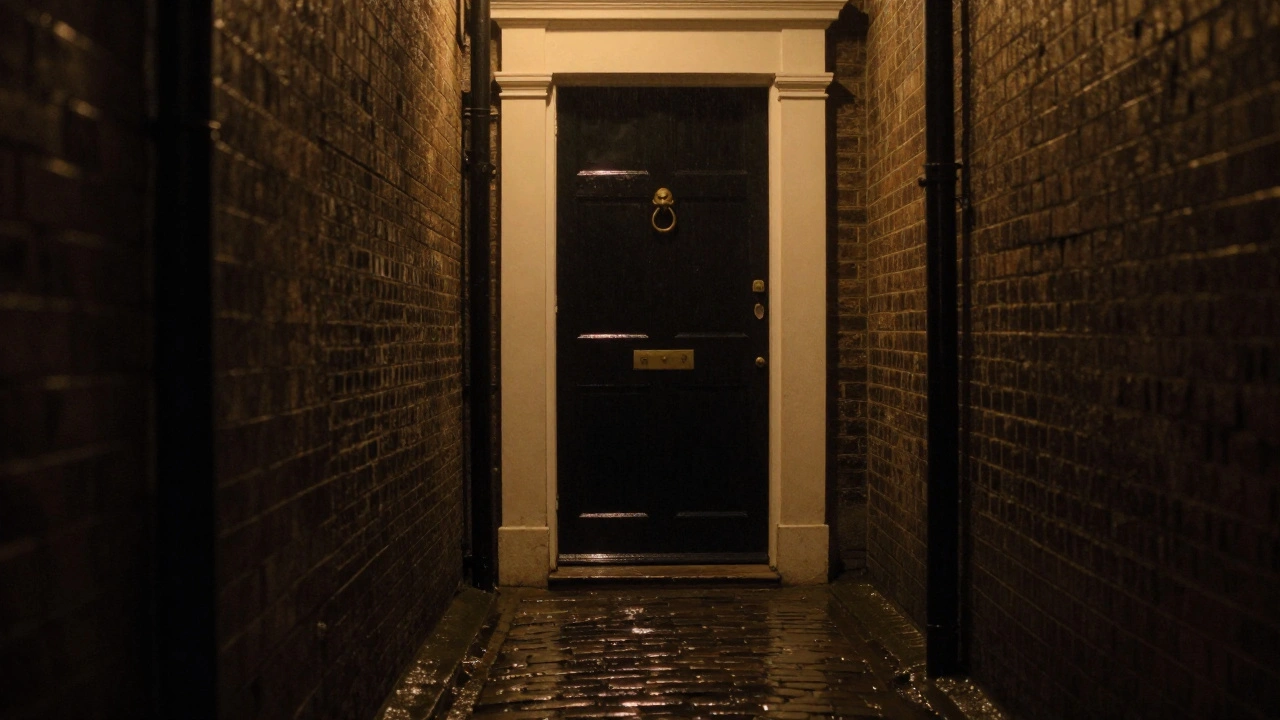
There are no billboards, no Instagram ads, no sponsored posts. The Metropolis Club doesn’t need them. Its door opens only to those who already know how to find it. Walk down any street in Mayfair at midnight, and you won’t see a sign. No neon. No logo. Just a plain black door with a single brass knocker. That’s it.
That’s intentional. The club was designed to avoid the chaos of viral trends. While other venues chase TikTok fame, Metropolis built its reputation through word-of-mouth, one trusted guest at a time. A referral from a current member is the only guaranteed way in. No online booking. No email list. No app. You either know someone who knows someone, or you don’t get past the bouncer.
The Membership Isn’t for Sale
You can’t buy a membership. You can’t pay for a table. You can’t even ask for one.
Membership is granted by invitation only, and the selection process is quietly rigorous. The club doesn’t care how much money you have. It cares about your presence. Have you ever been to a gallery opening and noticed someone who didn’t try to be seen? Someone who listened more than they spoke? That’s the kind of person they look for. Former members include a Nobel laureate, a retired ballet director, and a tech founder who never posted a photo of his own yacht.
There are fewer than 300 active members. Each one has a unique keycard, coded to their biometric signature. No duplicates. No backups. If you lose it, you’re out. No exceptions.
There’s No Music Policy
Most clubs have DJs, playlists, or themed nights. Metropolis doesn’t. There’s no schedule. No announcements. The sound changes depending on who’s in the room.
One night, it might be a live cello performance by a musician from the Royal Academy. Another, it could be ambient field recordings from a glacier in Iceland, played through custom-built speakers that don’t just reproduce sound-they reshape it. The club’s acoustics were designed by the same team that worked on the Berlin Philharmonie. They don’t play music to entertain. They play it to match the mood of the room.
There’s no bar menu. Instead, there’s a single bartender who moves silently between guests. Ask for a drink, and they’ll ask you what you’re feeling. Then they’ll make something that fits. Not a cocktail. Not a wine. Something that matches your energy. A member once described it as “a drink that remembers you.”
It Has No Dress Code-But You’ll Know How to Dress
You won’t find a sign that says “No sneakers” or “Formal attire required.” But you’ll still feel it.
People who come here dress like they’re going to a private museum opening, not a party. Think tailored wool coats, silk scarves, leather gloves. Not because they’re told to, but because they’ve learned that looking like everyone else here feels wrong. It’s not about wealth. It’s about intention. A member once wore a handmade turtleneck from a textile cooperative in the Scottish Highlands. No logo. No designer tag. Just craftsmanship. That’s the standard.
There’s no mirror in the entrance. No selfie spots. No photo ops. The club doesn’t want you to perform. It wants you to be present.
The Rooms Are Never the Same
There are seven rooms, but you’ll never see them all in one night. Each one transforms based on the people inside.
One room has walls lined with antique mirrors that don’t reflect your face-they reflect your emotions. A study from the University of Edinburgh found that guests who spent more than 20 minutes in that room reported a 40% increase in self-awareness. The mirrors aren’t magic. They’re coated with a rare pigment that responds to body heat and micro-expressions. It’s not surveillance. It’s reflection.
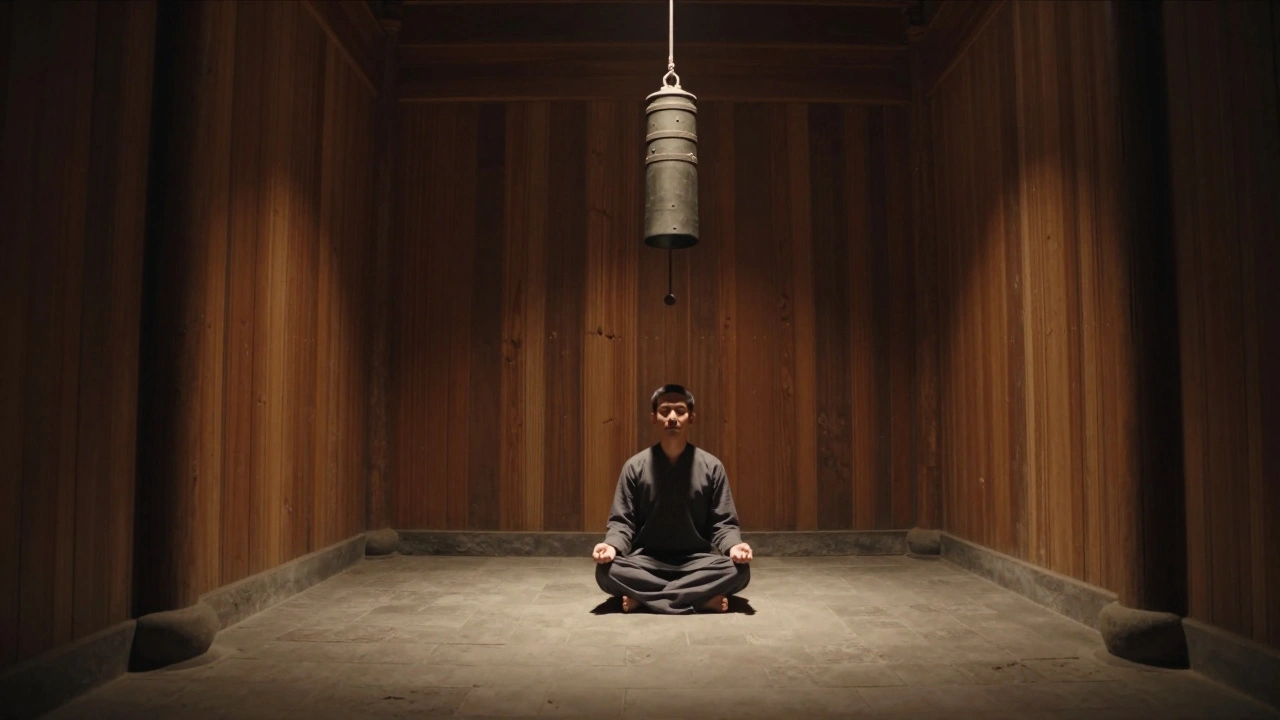
Another room has no furniture. Just a floor of heated stone and a single chime that rings once every 17 minutes. People sit on the floor. Some meditate. Some cry. Others just breathe. There’s no staff in that room. No cameras. No rules.
The library room holds 800 books-all first editions, all unreadable unless you whisper their title aloud. The books respond to voice. Only the right tone unlocks the text. A visitor once spent three hours trying to read a volume of Rilke. On the fourth try, the words appeared in Braille on the page. He didn’t tell anyone. He came back the next week.

It Doesn’t Close
Most clubs shut down at 2 a.m. Metropolis doesn’t. It shifts. At 3 a.m., the lights dim. The music fades. The staff leaves. And something else takes over.
Guests who stay past midnight often describe a quiet hum. Not from machines. From the building itself. The original structure was built in 1898 as a private reading room for a philanthropist who believed silence was the rarest luxury. The walls are lined with oak from trees planted by hand. The floorboards creak in a pattern that matches the rhythm of breathing. People say you can hear your own heartbeat if you sit still long enough.
There’s no closing time. Just a moment when the last person leaves-and the next one arrives. No one knows who lets them in. No one knows how they get there. But they always do.
It’s Not About Exclusivity. It’s About Resonance.
Metropolis Club doesn’t exclude because it’s snobby. It excludes because it’s too sensitive to noise, to distraction, to the ordinary.
This isn’t a place for influencers. Or party-goers. Or people looking to be seen. It’s for those who are tired of performance. For those who crave quiet connection. For those who want to be in a room where nothing is forced, nothing is sold, and nothing is explained.
If you’ve ever walked into a room and felt like you’d been there before-even though you’d never been-Metropolis might be waiting for you. Not because you asked. But because you were ready.
Can you just walk into Metropolis Club?
No. There’s no public entry. You can’t book a table, buy a ticket, or show up with a group. Access is strictly by invitation or referral from an existing member. Even then, entry isn’t guaranteed. The staff observes behavior, not status.
Is Metropolis Club only for the rich?
No. Wealth has no bearing on membership. The club has accepted people from all walks of life: a retired librarian, a street musician from Prague, a single mother who runs a community garden. What matters is presence-not net worth. Members are chosen for their depth, not their dollars.
Does Metropolis Club have a website or social media?
No. The club has no public website, no Instagram, no Twitter, and no email address. Any page claiming to represent Metropolis is fake. Even its physical location isn’t listed on maps. The only way to learn about it is through personal connection.
Are photos allowed inside?
Photography is strictly forbidden. Phones are stored in lockers at the entrance. Cameras, smartwatches, and even smart rings are not permitted. The club believes that moments should be lived, not recorded. Violating this rule results in immediate expulsion and permanent loss of access.
How do you become a member?
You don’t apply. You’re noticed. If you’ve been invited once and returned multiple times, the staff may quietly consider you. There’s no form. No interview. No waiting list. It happens when the club feels you belong-not when you think you deserve to be there.