How London Art Galleries Are Celebrating Diversity and Inclusion
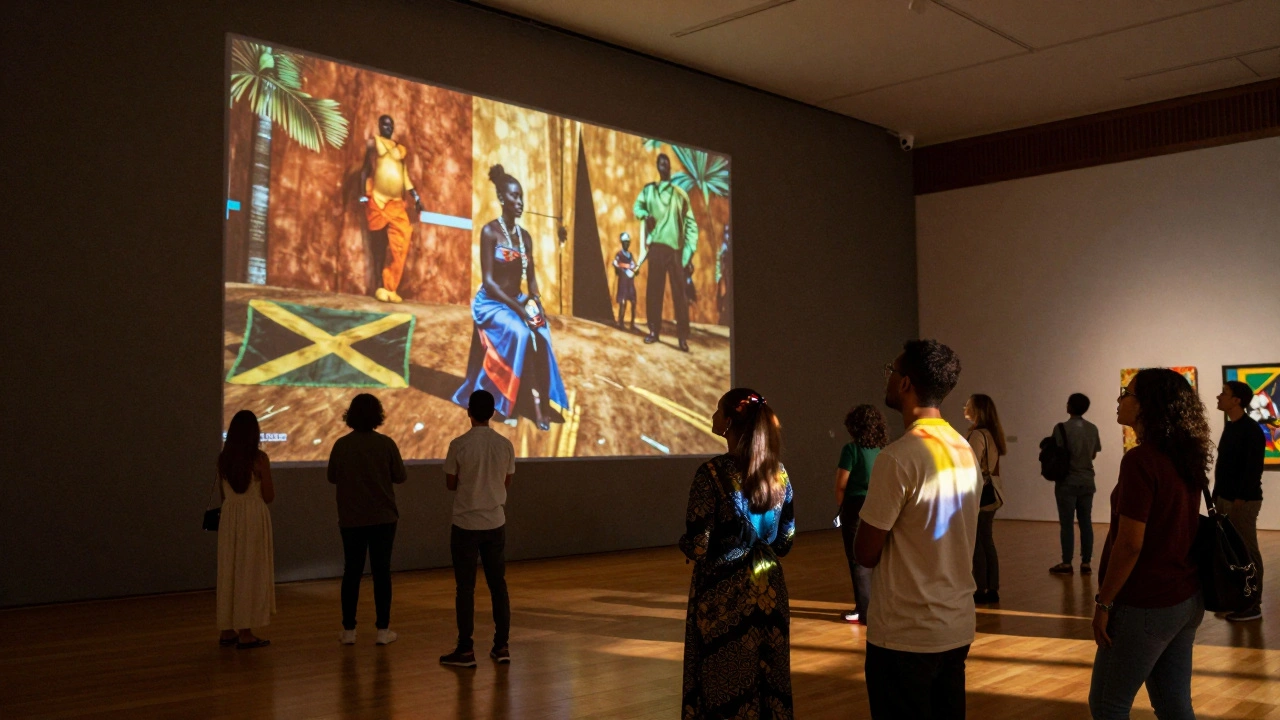
Across London’s bustling streets and historic alleyways, art galleries are no longer just white-walled spaces holding old masterpieces. They’re becoming active, living rooms for the city’s rich tapestry of voices - voices that for decades were left out of the frame. In London, where over 300 languages are spoken and nearly 40% of residents identify as Black, Asian, or from another minority ethnic group, the push for diversity and inclusion isn’t just a trend - it’s a necessary reckoning. And the city’s galleries are finally stepping up.
From the Margins to the Main Gallery Wall
For years, major institutions like the Tate Modern is a leading modern art museum located on the South Bank of the Thames, known for its vast collection of international contemporary art. and the National Gallery is a historic art museum in Trafalgar Square, housing Western European paintings from the 13th to the 19th centuries. focused almost exclusively on European male artists. But today, their walls tell a different story. In 2023, Tate Modern’s Artist and Society exhibition featured over 70 works by artists from Nigeria, Jamaica, Pakistan, and Indigenous Australia - many of them shown in the UK for the first time. One standout was a large-scale video piece by Nigerian artist Otobong Nkanga, exploring the trade of natural resources and colonial extraction. Visitors didn’t just look at the art - they felt its connection to London’s own history as a port city built on global trade.
Meanwhile, the National Gallery quietly rehung its 18th-century British portraits. Gone were the lone, powdered aristocrats. In their place: portraits of Black British naval officers, mixed-race children of colonial planters, and women who ran businesses in Georgian London. These weren’t just added as footnotes - they were given the same lighting, same frames, same prominence. It’s a quiet revolution happening in plain sight.
Community-Led Exhibitions Are Changing the Game
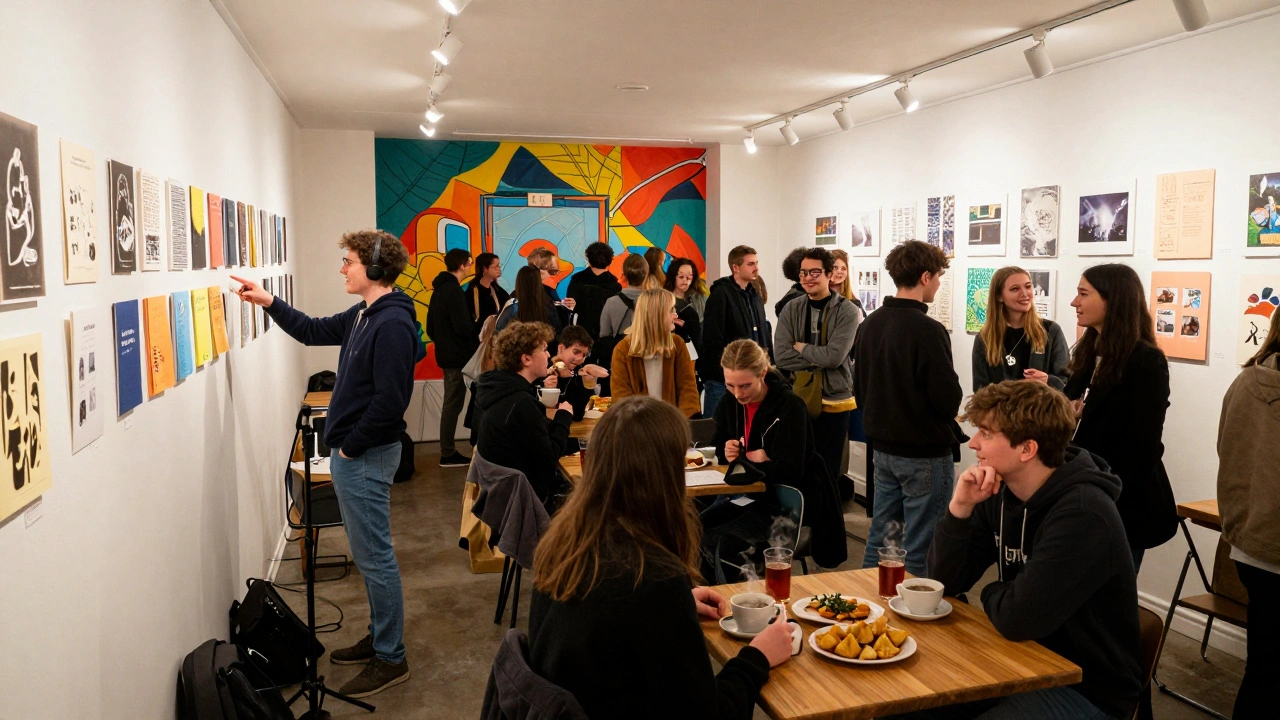
London’s diversity isn’t just in its population - it’s in its neighborhoods. And galleries are finally listening to the communities they serve. In Peckham, the Rye Lane Gallery is a community-run space in South London that showcases local artists and hosts monthly open mic nights and mural workshops. hosts exhibitions curated entirely by young people from nearby estates. One recent show, My Block, My Story, featured photography, spoken word, and handmade zines from teens who’d never set foot in a traditional gallery before. The opening night? Over 400 locals, many of them first-time visitors, packed the space. No velvet ropes. No ticket price. Just tea, samosas, and art that spoke their language.
Similarly, in Brixton, the Black Cultural Archives is a museum and archive in Brixton dedicated to preserving and celebrating the history of African and Caribbean people in Britain. launched a rotating exhibition series called Not Just Black History Month, where each month features a different Caribbean or African diaspora artist. One exhibit, From Windrush to Brixton Market, displayed hand-stitched quilts made by Caribbean women who arrived in the 1950s - each patch stitched with a name, a date, and a memory of home.
Accessibility Isn’t Just About Ramps
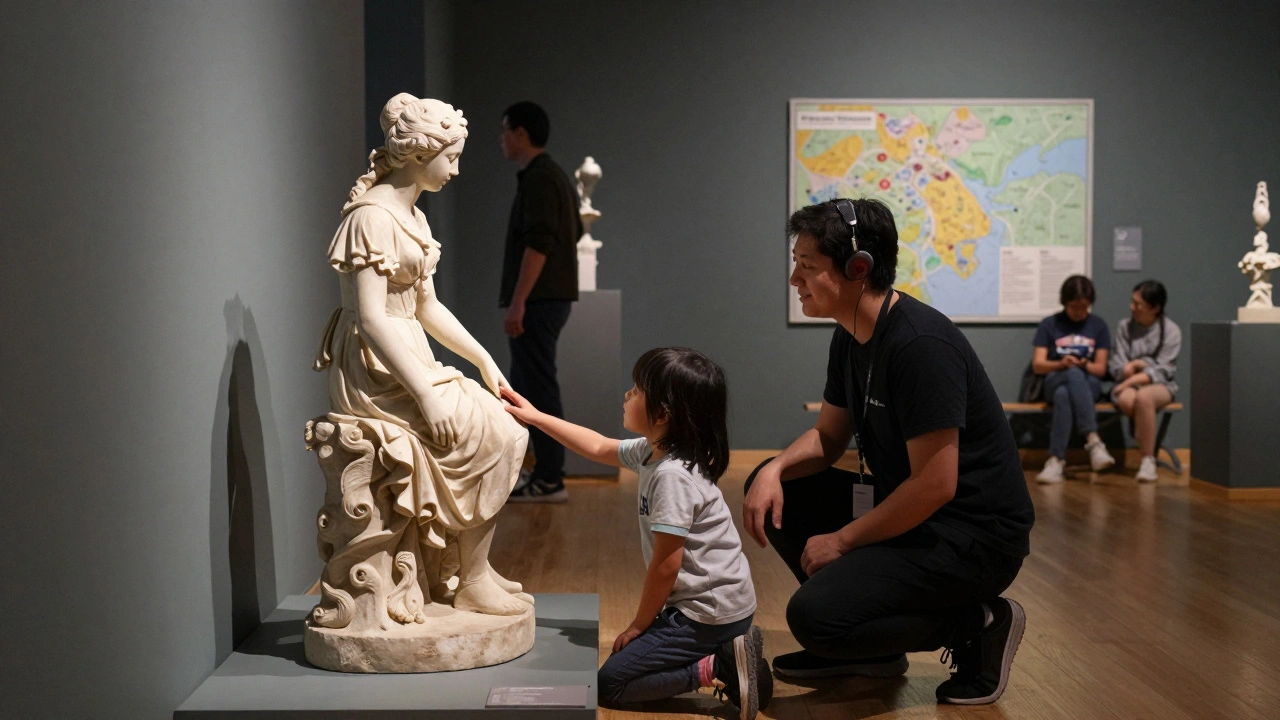
Inclusion isn’t just about who’s in the artwork - it’s about who can walk through the doors. London’s galleries are now thinking beyond wheelchair access. The Victoria and Albert Museum is a museum of art and design in South Kensington, with collections spanning 5,000 years of human creativity. introduced Sensory Sundays - quiet hours with dimmed lights, no audio guides, and tactile replicas of sculptures for visitors with autism or sensory sensitivities. Staff are trained in neurodiversity awareness. The result? A 62% increase in repeat visits from families with neurodivergent children.
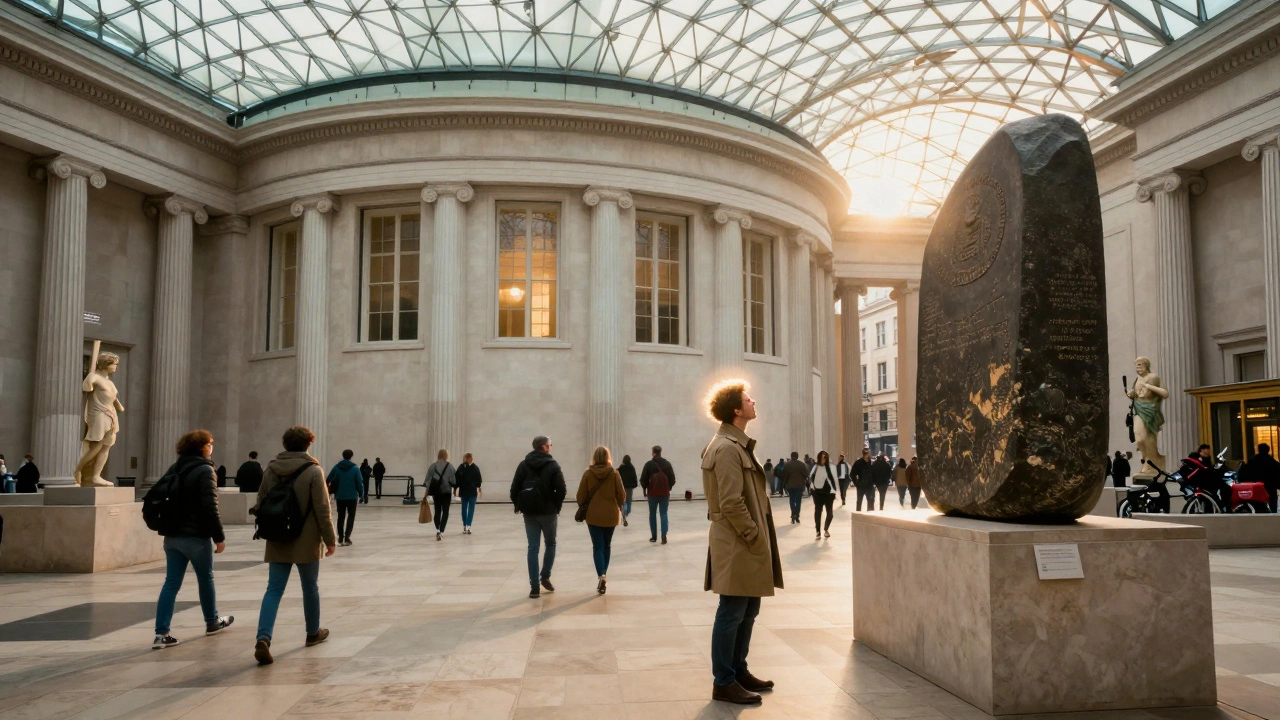
At the British Museum is a world-renowned museum in Bloomsbury, housing a vast collection of global antiquities., audio descriptions are now available in 12 languages, including Bengali, Somali, and Polish. Free entry remains - but now so do free transport vouchers for low-income Londoners. A partnership with Transport for London lets people with a Freedom Pass get a free return bus ride to the museum on the first Sunday of every month.
Changing Who Gets to Speak
Leadership matters. In 2024, the Whitechapel Gallery is a contemporary art gallery in East London, known for its progressive exhibitions and community engagement. appointed its first Black female director - a former community arts organizer from Hackney. Within a year, she doubled the number of exhibitions co-created with local youth collectives. She also scrapped the traditional curator title. Now, everyone who helps shape an exhibition is called a co-creator.
Even the Royal Academy of Arts, once seen as the old guard, now requires all new hires to complete a mandatory inclusion training module. It covers unconscious bias, cultural appropriation, and the history of colonial collecting. Staff now wear name tags with their preferred pronouns - and visitors are invited to do the same.
What’s Still Missing?
Progress isn’t perfect. Some galleries still treat diversity as a box to tick - one exhibition per year, then back to business as usual. Others still rely on wealthy donors who fund only the "safe" artists - those who don’t challenge power structures. And while many galleries now have diversity officers, few have real budgets or authority.
London’s smaller galleries are often doing more than the big ones. The Chisenhale Gallery is a contemporary art space in East London that supports emerging artists, especially those from underrepresented backgrounds. doesn’t take corporate sponsorship. Instead, it crowdsources funding from local residents - £5 donations from 500 people, not £50,000 from one billionaire. The result? Exhibitions that reflect the actual diversity of Tower Hamlets, not what a boardroom thinks it should be.
How You Can Be Part of the Change
If you live in London - or even if you’re just visiting - here’s how you can help:
- Visit galleries that highlight underrepresented artists - not just Tate Modern, but also the Black Artists’ Network in Dialogue is a London-based collective supporting Black artists through exhibitions, residencies, and public talks. or the Gallery of African Art is a small but influential gallery in Southwark focused on contemporary African art. in Southwark.
- Attend artist talks. Ask questions. Don’t assume you know what the art means.
- Support local artists by buying prints, not just postcards. Many galleries now have affordable art stalls - £10 prints from emerging creators.
- Join a gallery’s community advisory group. Most welcome volunteers. No experience needed.
- Use your voice. If a gallery’s program feels tokenistic, write to them. Many now have direct email channels for feedback.
London’s art scene isn’t just about what’s on the walls. It’s about who gets to make the walls, who gets to stand in front of them, and who gets to say what they mean. And right now, the city is finally making space - not just for new art, but for new stories, new voices, and new ways of seeing.
Which London art galleries are leading in diversity and inclusion?
Tate Modern, the Whitechapel Gallery, the Black Cultural Archives, and the Chisenhale Gallery are among the most active. Tate Modern has dedicated galleries for Global South artists, while the Whitechapel has co-created over 20 exhibitions with local communities since 2022. The Black Cultural Archives in Brixton offers year-round programming rooted in Caribbean and African heritage. Chisenhale, though small, leads in funding transparency and artist empowerment.
Are London’s art galleries free to enter?
Most major public galleries in London - including the Tate Modern, National Gallery, British Museum, and Victoria and Albert Museum - offer free general admission. Permanent collections are always free. Temporary exhibitions may charge, but many offer discounted or free tickets for under-25s, students, and London residents with a Freedom Pass. Always check the gallery’s website before visiting.
How can I find exhibitions featuring Black, Asian, or LGBTQ+ artists in London?
Start with London Art Guide, a free online directory that filters exhibitions by artist identity. You can also sign up for newsletters from the Black Artists’ Network in Dialogue or follow @LondonArtCollective on Instagram. Many community galleries post their upcoming shows on noticeboards in local libraries, cafes, and community centers - especially in areas like Peckham, Brixton, and Stratford.
Do London galleries offer tours for non-English speakers?
Yes. The British Museum and V&A now offer guided tours in over 10 languages, including Arabic, Mandarin, and Polish. Tate Modern provides free audio guides with translations and sign language videos. Some smaller galleries, like the Gallery of African Art, host bilingual tours led by community volunteers. Check the accessibility section of each gallery’s website before your visit.
Is there a way to support these efforts without spending money?
Absolutely. Volunteer your time - many galleries need help with event setup, translation, or social media. Attend free talks and ask thoughtful questions. Share posts from galleries that celebrate diversity. Tell friends. Bring someone who’s never been to a gallery before. The most powerful form of support is showing up - and inviting others to do the same.
London’s galleries are no longer just places to admire art. They’re becoming mirrors - reflecting who we are, who we’ve been, and who we’re becoming together.
Matt H
February 8, 2026 AT 15:00Let’s be real-this isn’t just about representation, it’s about redefining power structures in cultural institutions. Tate Modern’s shift from Eurocentric canons to centering Global South voices? That’s systemic redistribution of symbolic capital. And the co-creator model at Whitechapel? Genius. It dismantles the curator-as-gatekeeper myth. We’re not talking about token exhibits anymore-we’re witnessing institutional epistemology being rewritten in real time. The real metric of success isn’t foot traffic-it’s whether marginalized artists now have agency over narrative, funding, and legacy. This is the future of curatorial practice, and London’s leading the charge.
Vincent Jackson
February 10, 2026 AT 12:27im gonna be honest i never thought i’d see the day when the british museum had audio guides in somali. that’s wild. and the sensory sundays? my cousin with autism finally went to a gallery last month and actually smiled. she’s never done that before. no cap, this shit matters. also, why do big galleries still charge for temporary exhibits? just make em free. everyone wins.
Piotr Williams
February 11, 2026 AT 03:05Okay, but let’s not pretend this is revolutionary-Tate’s done one ‘diverse’ show every 3 years since 2017, and the rest of the time? Same old Van Goghs and Constables. And ‘co-creator’? Sounds nice, but half those ‘community voices’ are just interns with no say in the final edit. And Chisenhale? Cute. But without corporate funding, they’re barely surviving. This isn’t progress-it’s performative allyship wrapped in Instagram aesthetics. Where’s the budget? The hiring power? The actual institutional change? I’m not impressed.
Ashok Sahu
February 12, 2026 AT 12:00As someone from India, I’ve seen how colonial legacies still shape art narratives-even today, ‘global’ often means ‘Westernized’. But what’s happening in London? It’s healing. The Black Cultural Archives’ quilts? The Peckham teens’ zines? These aren’t exhibits-they’re acts of reclamation. And the fact that they’re offering tours in Bengali, Somali, Polish? That’s not accessibility. That’s dignity. You don’t just invite people in-you meet them where they are. London’s doing that. And honestly? It’s beautiful. Keep going.
Jason Hancock
February 14, 2026 AT 09:46LMAO you all are acting like this is the second coming. Tate Modern? They had a ‘diversity week’ last year and then went right back to selling $2 million Koons prints. And ‘co-creator’? That’s just a fancy word for ‘we let a kid draw a mural and called it art’. You think putting up a Nigerian video piece and calling it ‘decolonization’ fixes centuries of exploitation? Wake up. The real issue? These galleries still take money from billionaires who own slave plantations. Until you cut the funding, none of this matters. Just saying.