Hidden Gems of the Night Sky: Celestial Wonders to Watch For in London
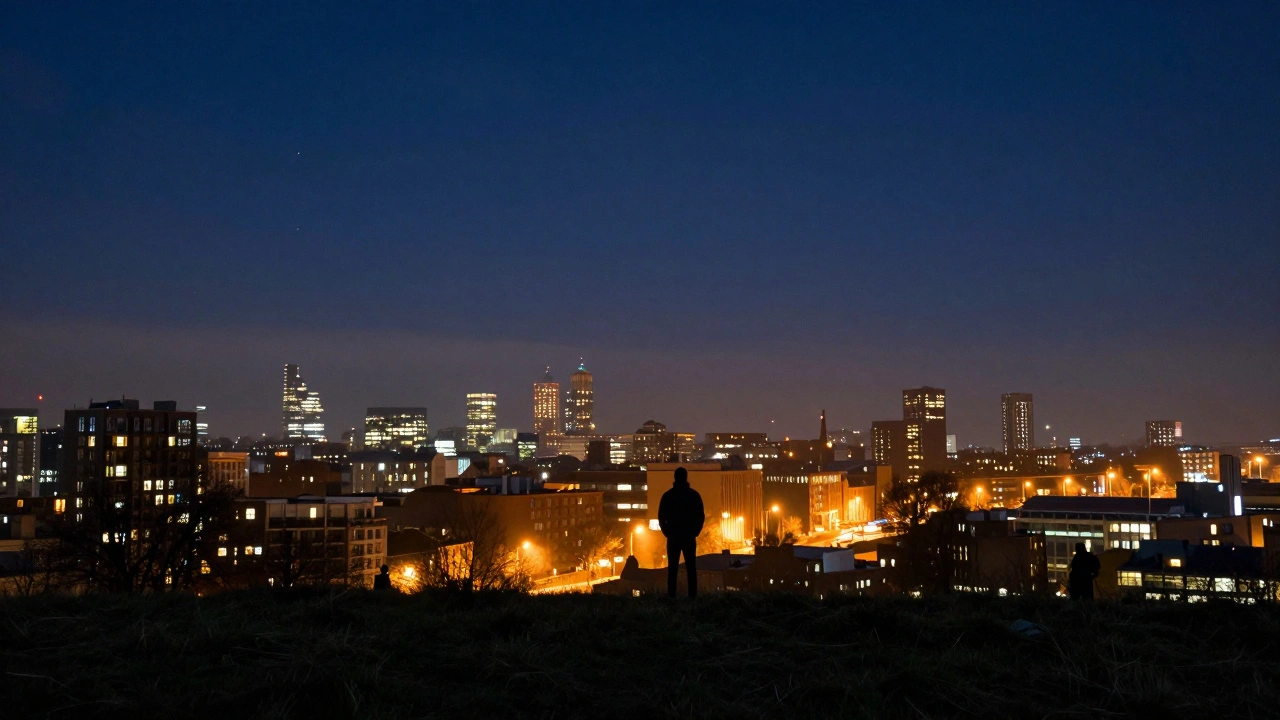
Living in one of Europe’s largest cities often makes you feel like the stars are just a myth. Between the glow of the A2 road and the neon buzz of Oxford Street, light pollution artificial brightening of the night sky caused by human activity dominates your view. But finding clear, dark patches is still possible if you know where to look. If you’ve ever stood under the tube station canopy wondering what lies above the smog, this guide shows you exactly which celestial gems remain visible and how to spot them.
Quick Takeaways
- Londoners don’t have to leave the capital entirely; Hampstead Heath and Greenwich offer the darkest zones within the city boundaries.
- Spring evenings in March and April offer prime windows for catching Venus and the Leo constellation before sunrise.
- Using light-pollution mapping tools helps you avoid the worst urban glare zones.
- The Royal Observatory provides expert equipment and guided sessions for beginners without needing expensive gear.
- Timing matters: Aim for dates around the New Moon for maximum visibility of fainter objects.
Understanding London’s Sky Conditions
To get the most out of stargazing in London, you need to understand the environment you’re working with. Most of the capital falls into
. On the Bortle scale, Class 1 represents pristine rural skies, while Class 10 is the heart of a large city. Westminster sits firmly in the 10 zone, meaning the Milky Way is invisible to the naked eye. However, heading slightly outward to places like Greenwich Park drops you to Class 7, where major constellations become visible.Location Bortle Class Visibility Rating Westminster Class 10 Extremely Bright Hampstead Heath Class 6-7 Moderate Richelmond Park Class 5-6 Fairly Clear Greenwich Park Class 7 Possible Viewing
Air quality also plays a role. While London isn't a 'dark sky reserve,' there are specific meteorological conditions that help. After a cold front passes, dust and haze settle, clearing the atmosphere significantly. On crisp nights, particularly during autumn and early winter when humidity is lower, you’ll see more detail through binoculars.
Best Locations for Clear Viewing
You might think you need to drive two hours out to Kent or Surrey to find darkness, but specific pockets in North and East London offer better vantage points.
Hampstead Heath
This massive green space is the northernmost point of many London itineraries. Parliament Hill gives you an unobstructed view toward the north-west, where the skyline is often obscured by dense trees blocking streetlights. The elevation here (approx. 133 meters) lifts you slightly above the immediate ground fog that settles in the Thames valley lowlands. It’s a popular spot, so go on weekdays if you want to keep the artificial light from fellow stargazers to a minimum.
Richmond Park
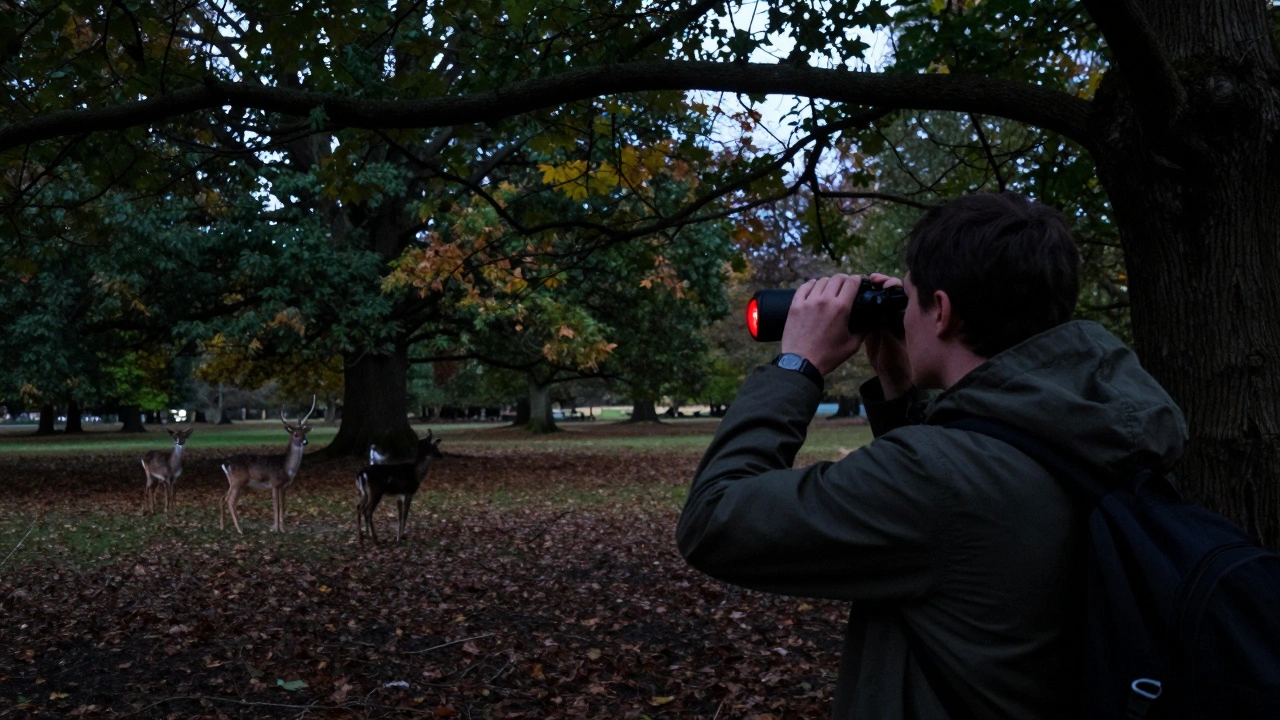
If you head south-west, Richmond Park is the largest park in London. Its sheer size allows for 'driving dark'-literally driving deeper into the park until street lights fade into the background noise. The open meadows near Isabella Plantation reduce the impact of the A3 traffic compared to areas closer to Fulham. Just remember to respect the fallow deer population and stick to paths after dusk.
Kew Gardens
While primarily a botanic site, the grounds are surprisingly secluded once evening gates close. Because the area is heavily vegetated, trees act as natural baffle systems against distant road lamps. It requires permission for overnight stays or late access, but checking the 'Gardens Open Late' events schedule can provide legal access to these darker corners.
What to Look For in Late Spring
Since today is late March, the transition from winter to spring brings significant changes to the celestial lineup. You won't see Orion dominating the sky much longer, as his belt is moving down towards the western horizon shortly after sunset. Instead, focus your eyes on the eastern horizon around 10 PM.
Venus The Morning or Evening Star, often the brightest object in the night sky after the MoonCurrently, Venus is putting on a show. As the 'Evening Star', it appears low in the southwest sky immediately after sundown. It is incredibly bright, often mistaken for a plane or UFO by newcomers. Using binoculars reveals its phases similar to the moon, proving its orbit mechanics. In early April, Venus serves as a bright signpost pointing directly to the Pleiades star cluster if you look higher into the southwestern sky.
The Golden Lion (Leo)
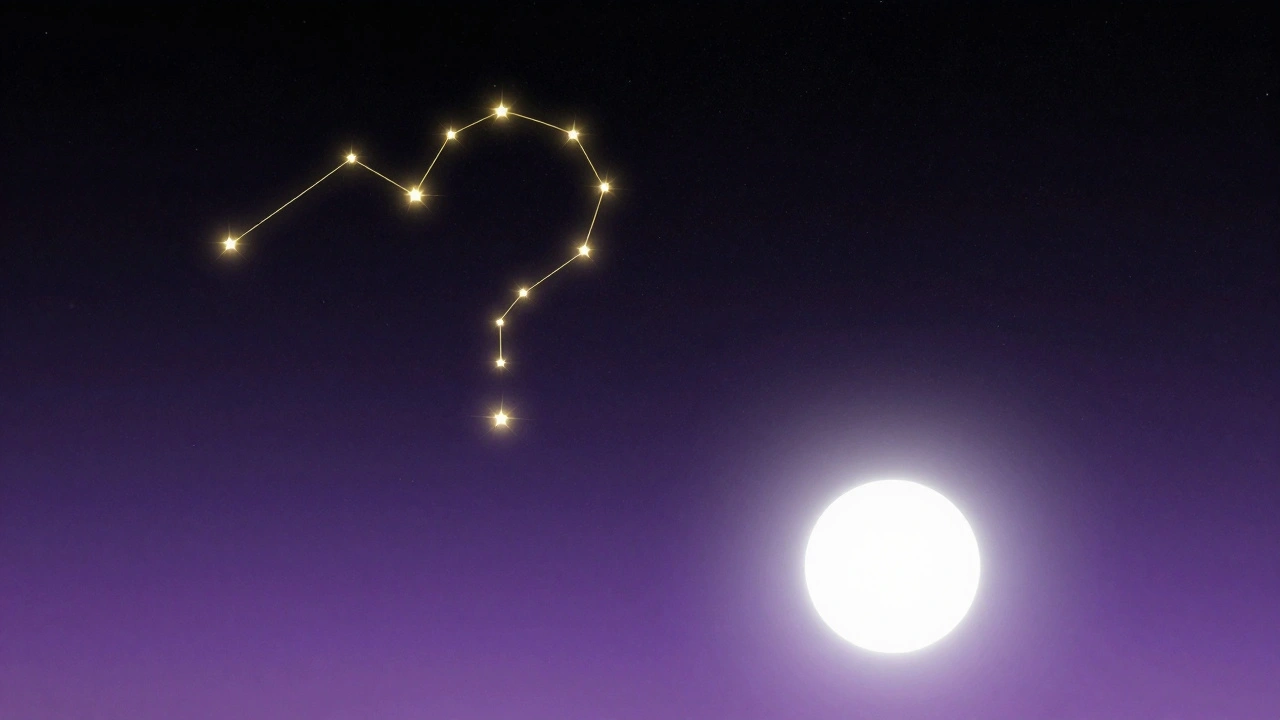
Look straight up or slightly east-southeast. Leo is one of the easiest zodiac constellations to identify because its shape resembles a backwards question mark. The star Regulus, the brightest star in the constellation, sits at the bottom of the curve (the lion's heart). Since we are approaching May, this constellation climbs high overhead around midnight, making it an ideal target for beginners using simple star charts.
Essential Gear for Urban Astronomers
You don’t need professional-grade hardware to start observing. However, having the right tools makes the difference between frustration and delight.
Digital Assistance
Smartphones have revolutionized amateur Astronomy The study of celestial objects, phenomena, and the universe beyond Earth's atmosphere. Apps like Stellarium Mobile or Star Walk 2 allow you to point your phone at the sky and instantly label objects. These tools account for your exact GPS coordinates in London, factoring in the light dome over the city. Calibrating the compass on your device is crucial, though, otherwise, the overlay will drift off the actual sky features.
Optical Aids
Binoculars remain the most versatile tool. A pair of 10x50 binoculars gathers ten times the light of your naked eye and magnifies ten times. This is enough to resolve the Andromeda Galaxy (if you travel slightly further north-east out of London bounds) or see deep craters on the moon. Avoid heavy telescopes initially; they require complex mounting and alignment, which gets complicated on uneven pavement or grassy slopes in the City of London parks.
Eye Adaptation
Your pupils dilate to let in more light after being exposed to darkness for about 20 to 30 minutes. Any exposure to white LED light (like your phone screen) resets this timer. To navigate safely around Richmond Park without ruining your night vision, use a small flashlight covered in red cellophane. Red light preserves rhodopsin pigment in your eyes, maintaining your sensitivity to dim stars.
Local Events and Educational Opportunities
If you prefer learning alongside others, London hosts several organized events that remove the technical barrier.
Royal Observatory Greenwich A historic scientific institution in Greenwich offering public skywatching eventsThe Observatory regularly organizes 'Skygazing Nights.' During these sessions, experienced volunteers man powerful telescopes set up specifically to track the Moon, Jupiter, Saturn, or Mars depending on planetary transit. They explain the history of celestial navigation, tying the science back to Captain Cook and Harrison’s chronometers stored onsite.
Occasionally, the British Astronomical Association holds regional meetings at venues like the National Maritime Museum nearby. Subscribing to their newsletter is a free way to get alerts about solar eclipses or rare meteor showers (like the Lyrids in mid-April, which might catch some lucky viewers this year).
Troubleshooting Common Issues
Expecting disappointment when clouds roll in is part of the game, but sometimes what looks like cloud is just haze.
If the sky looks grey but you feel something should be visible, wait 30 minutes. Often, humidity levels drop and the 'milky' layer clears, revealing the brighter planets. If you're struggling to find a constellation, stop trying to memorize every star. Identify just the three bright pointers (The Big Dipper) or the Belt of Orion, then connect the dots visually to your target. Overthinking the pattern usually leads to missing the obvious shapes.
Another common annoyance is street lights reflecting in binocular lenses. Angle your body so the light source falls behind your shoulder line. This blocks direct rays while allowing you to peer through the scope comfortably.
Planning Your Next Viewing Session
With the right spots and preparation, London transforms into a gateway rather than a barrier. The challenge isn’t the lack of stars; it’s managing expectations about what you can see from a gridlocked metropolis. Start with the bright giants like Jupiter or the Moon crater Tycho. Once you learn to read the light pollution, you’ll realize you aren't just looking at the sky; you're navigating a different kind of London landscape.
Can I see the Milky Way from central London?
It is highly unlikely to see the Milky Way band clearly from central London due to extreme light pollution. You would need to travel at least 40 miles away to a designated Dark Sky Discovery Site for that level of detail.
When is the best time of year to stargaze in London?
Late autumn and early winter (November to January) typically offer clearer air and less atmospheric moisture. However, ensure you dress warmly, as viewing in cold weather is easier than battling humidity.
Are there specific months for meteor showers near London?
Yes. The Lyrids peak in April, Perseids in August, and Geminids in December. Even with city lights, you can spot the brightest meteors from parks like Greenwich.
Do I need expensive equipment to start?
Not at all. High-quality binoculars and smartphone star map apps are sufficient for learning the basics and identifying bright planets and major constellations.
Is stargazing allowed at night in Royal Parks?
Generally, yes, as long as you respect opening hours and wildlife. Richmond and Hyde Park stay open late, but always check specific rules regarding camping or staying past closing times.