Hidden Gems in London’s Dance Scene: Unseen Performances That Will Move You

In London, you don’t need to book tickets to the Royal Opera House to experience dance that stirs your soul. Some of the most powerful performances happen in converted warehouses in Peckham, basement studios in Dalston, or even on the steps of the Tate Modern after dark. While tourists line up for London dance performances at Sadler’s Wells, locals know the real magic lies off the beaten path - in spaces where choreographers test new ideas, dancers push boundaries, and audiences sit just a few feet from the action.
Where the City’s Pulse Beats Loudest: Peckham’s Rye Lane Studios
Walk past the Nigerian barber shops and Caribbean food stalls on Rye Lane, and you’ll find a nondescript door marked only with a small red dot. Behind it, the Peckham Space hosts weekly experimental dance nights. No posters. No website. Just a WhatsApp group that updates every Thursday. This is where emerging choreographers from South London’s Black and Asian communities debut work that blends afrobeat rhythms with contemporary movement. One piece, Concrete Roots, used the sound of passing buses and rain on corrugated metal roofs as percussion. The dancers moved barefoot on reclaimed floorboards, their shadows stretching across concrete walls. It wasn’t polished. It wasn’t advertised. But after the final bow, no one clapped - they just sat there, breathing. That’s the kind of moment you won’t find on Visit London’s official guide.
The Silent Stage at the Barbican’s Back Corridors
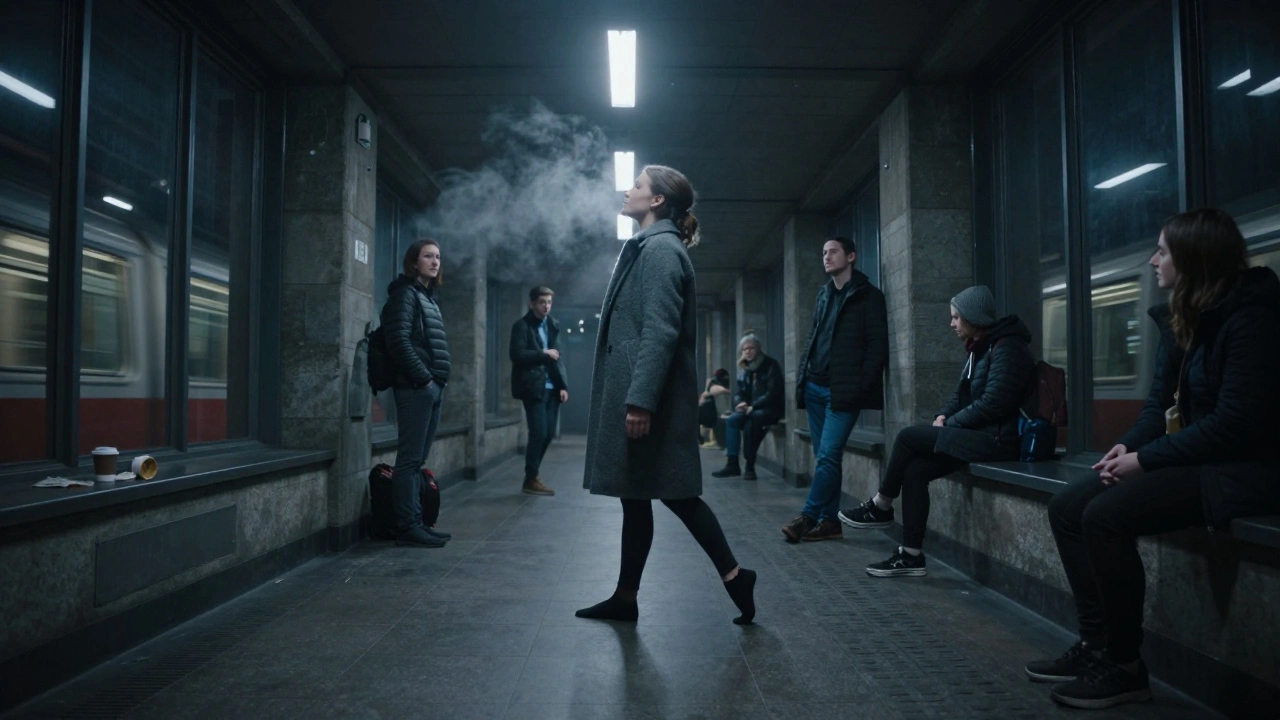
Most people think of the Barbican Centre as a home for big-name ballets and modern dance troupes. But between performances, the building’s unused corridors and service stairwells become impromptu stages. Every third Friday of the month, a group called Corridor Dancers performs for whoever happens to be passing. No tickets. No lights. Just a single spotlight and a Bluetooth speaker playing ambient loops. One winter night, a dancer in a wool coat and thermal leggings moved through the echoing hallways, her breath visible in the cold air, responding to the echo of footsteps from the London Underground below. People stopped. Some cried. One man left his coffee on a windowsill and stayed for the whole 22 minutes. These aren’t performances for an audience. They’re for the city itself.
East London’s Forgotten Churches: Dance in Sacred Spaces
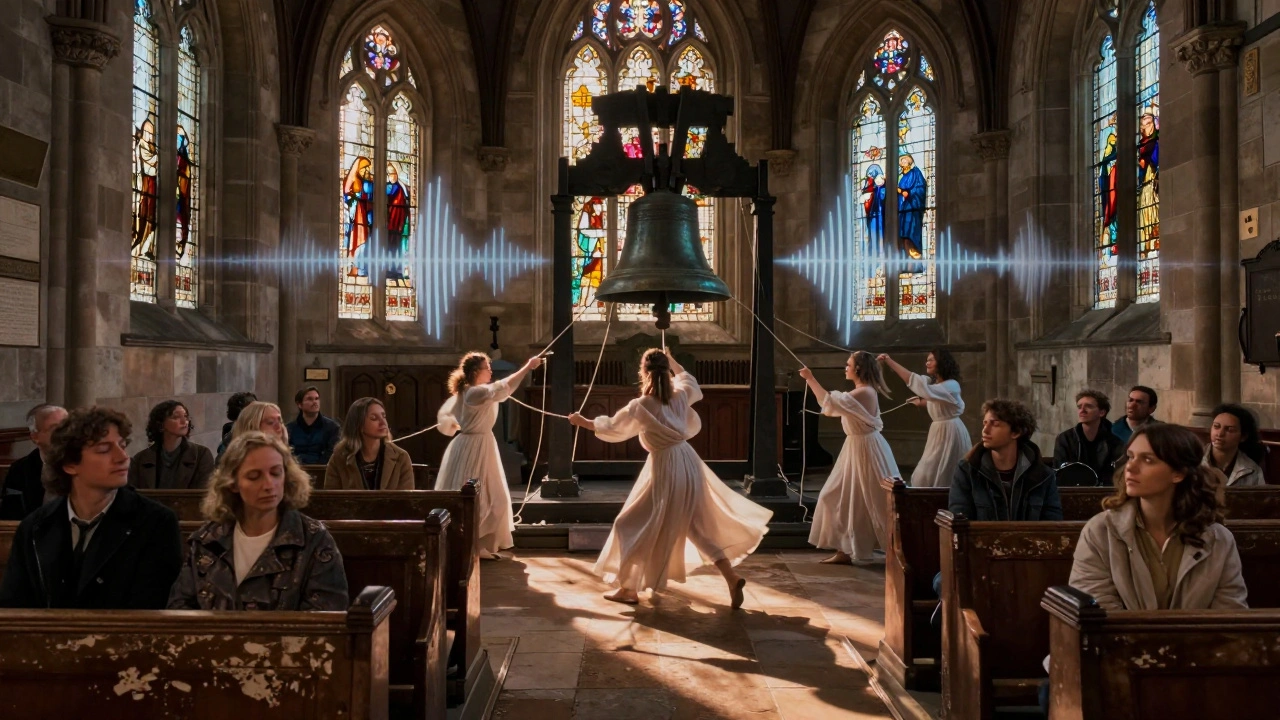
London has over 1,200 former churches. Most are flats or bookshops now. But a few, like St. Mary’s in Wapping and St. John’s in Hackney, have been quietly transformed into intimate dance venues. The acoustics are unmatched - stone walls, high ceilings, the natural reverb of centuries. In November, a company called Echo Movement performed Whispers of the Tower inside St. Mary’s, using the church’s original bell mechanism as part of the score. Dancers pulled ropes that rang the silent bell, each chime triggering a shift in their motion. The audience sat on pews, some with their eyes closed, letting the vibrations travel through the floor. These aren’t tourist attractions. They’re spiritual experiences - and you need to know someone to get in.
The Rooftop Dancers of Shoreditch
On a clear evening in late autumn, head to the rooftop of the old Redchurch Street Brewery. It’s not open to the public. But if you’ve been to a few underground gigs in Shoreditch, you’ll know the password: ‘Cedar and Smoke.’ Once you’re up there, you’ll find a dozen dancers moving between the beer vats and the skyline. The view? Tower Bridge glowing in the distance, the Shard like a needle piercing the clouds. The music? A live cello player improvising to the rhythm of passing trains. The choreography? Inspired by the way commuters rush across London Bridge at 5:30 p.m. - hurried, tired, but still moving forward. It lasts 40 minutes. Then they vanish. No photos allowed. No recordings. Just the memory of movement against the city’s glow.
How to Find These Hidden Shows (Without a Social Media Feed)
You won’t find these events on Eventbrite or Time Out London. The real underground scene runs on word of mouth, handwritten flyers in independent bookshops, and quiet conversations in cafés like The Library in Camden or The Golden Lion in Bermondsey. Ask for recommendations at:
- The Place in Bloomsbury - their staff know who’s doing what next door
- Southbank Centre’s bookshop - they stock zines from local dance collectives
- Liberty Records in Soho - the owner often has flyers for experimental sound-and-dance nights
- London Dance Network - a free monthly newsletter you can sign up for at the front desk of Dance East in Hackney
Don’t look for tickets. Look for people. Sit in a corner at a jazz club in Brixton and listen. Someone will mention a performance happening in a disused tube station or a community centre in Lewisham. That’s how it works.
Why These Performances Matter More Than the Big Names
London’s dance scene isn’t just about technique. It’s about truth. The big theatres show you what dance can look like. These hidden shows show you what it feels like - in a city where 300 languages are spoken, where people move through the Tube with exhaustion, where grief and joy are carried in silence. A dancer in a Hackney flat might be expressing what her mother left behind in Jamaica. Another in a Peckham warehouse might be mourning a friend lost to knife crime. These aren’t performances you watch. They’re moments you witness. And once you’ve seen one, you’ll never look at London the same way again.
What to Bring - and What to Leave Behind
These aren’t formal events. You won’t need a dress code. Wear something you can move in. Bring a light jacket - most venues are unheated. Leave your phone in your bag. No flash. No livestreams. The magic lives in the quiet. If you want to show appreciation, bring a small gift: a loaf of sourdough from The Flour Station, a candle from The London Candle Company, or a book of poems by a local writer. Leave it on the table after the show. No notes. No names. Just presence.
Where to Go Next
Once you’ve felt the weight of a silent dance in a church, you’ll start noticing movement everywhere. Watch how the cleaners at King’s Cross station sweep the floor in rhythm. Notice the way the buskers on Covent Garden’s steps sync their steps with the crowd. These aren’t accidents. They’re echoes of the same impulse - to move, to feel, to be seen. London’s hidden dance scene isn’t about fame. It’s about connection. And if you’re willing to look beyond the billboards, you’ll find it - right where the city breathes.
Chris Bitler
January 3, 2026 AT 18:43That rooftop dance in Shoreditch sounds like something out of a dream. No photos, no recordings-just movement against the city glow. I’d walk ten miles just to feel that.
Ronnie Ryan
January 4, 2026 AT 11:57While I respect the sentiment, I must point out that this romanticization of ‘hidden’ art is dangerously elitist. If these performances are truly for the city, why are they gated by password and whisper networks? Accessibility isn’t a buzzword-it’s a moral imperative. The fact that you need to ‘know someone’ to enter a sacred space is the exact opposite of what art should be. Also, ‘Cedar and Smoke’? That’s not a password, that’s a marketing gimmick. And the spelling of ‘corrugated’ in the original text? Misspelled. I’m not even mad. Just disappointed.
Gerardo Pineda
January 6, 2026 AT 00:26Wow. Just… wow. 😭 The part about the dancer in the wool coat in the Barbican corridors? I cried reading it. That’s the kind of art that heals people who don’t even know they’re broken. And the sourdough gift thing? Pure gold. I’m gonna bring a candle next time I find one of these. No phone. Just presence. Thank you for writing this.
Aditya Sinha
January 7, 2026 AT 09:06u r so right about the peckham stuff but u misspelled ‘corregated’ and ‘wether’ in the last para. also why no instagram? its 2024 bro. i went to a dance in a disused bank in tooting last week and we posted it on tiktok. 20k views. u need to get with the times. also the bell thing in st marys? lit. 🤘
Bethany Wappler
January 7, 2026 AT 14:37There’s something sacred about art that doesn’t ask for your attention-it simply exists, and you happen to be there when it unfolds. The way you described the silence after ‘Concrete Roots’-no clapping, just breathing-that’s the most powerful applause I’ve ever read. And I love how you framed the gifts: no notes, no names. Just presence. That’s the kind of generosity that rebuilds community. I’m printing this out and leaving it in every independent bookstore I pass. Thank you for reminding us that beauty doesn’t need a stage. It just needs someone willing to sit still long enough to see it.
Vinayak Agrawal
January 8, 2026 AT 18:13If you think this is deep, wait till you see what’s happening in the underground tube stations of East London. I heard about a group that dances at 3 a.m. in the abandoned platforms between Aldgate and Whitechapel. No lights, no music-just body rhythm syncing with the distant rumble of the next train. They call it ‘Echoes of the Underground.’ One dancer wears her late father’s shoes. No one knows her name. But if you’re there at dawn, you’ll feel it. Go. Now. Don’t wait for an invite. The city is waiting.