Hidden Gems in Baking: London’s Secret Recipes That Will Surprise You
London’s kitchens are full of quiet magic. While everyone talks about afternoon tea at Fortnum & Mason or the rise of sourdough in Shoreditch, there are a handful of forgotten recipes that still live in back rooms, grandmothers’ notebooks, and corner bakeries tucked behind Tube stations. These aren’t trendy TikTok desserts or Instagram-worthy cakes. They’re the quiet, stubborn, delicious things that have survived decades of changing tastes - and if you’ve lived in London long enough, you’ve probably smelled them drifting from a window on a cold morning.
The Sticky Toffee Pudding That Doesn’t Come with Whipped Cream
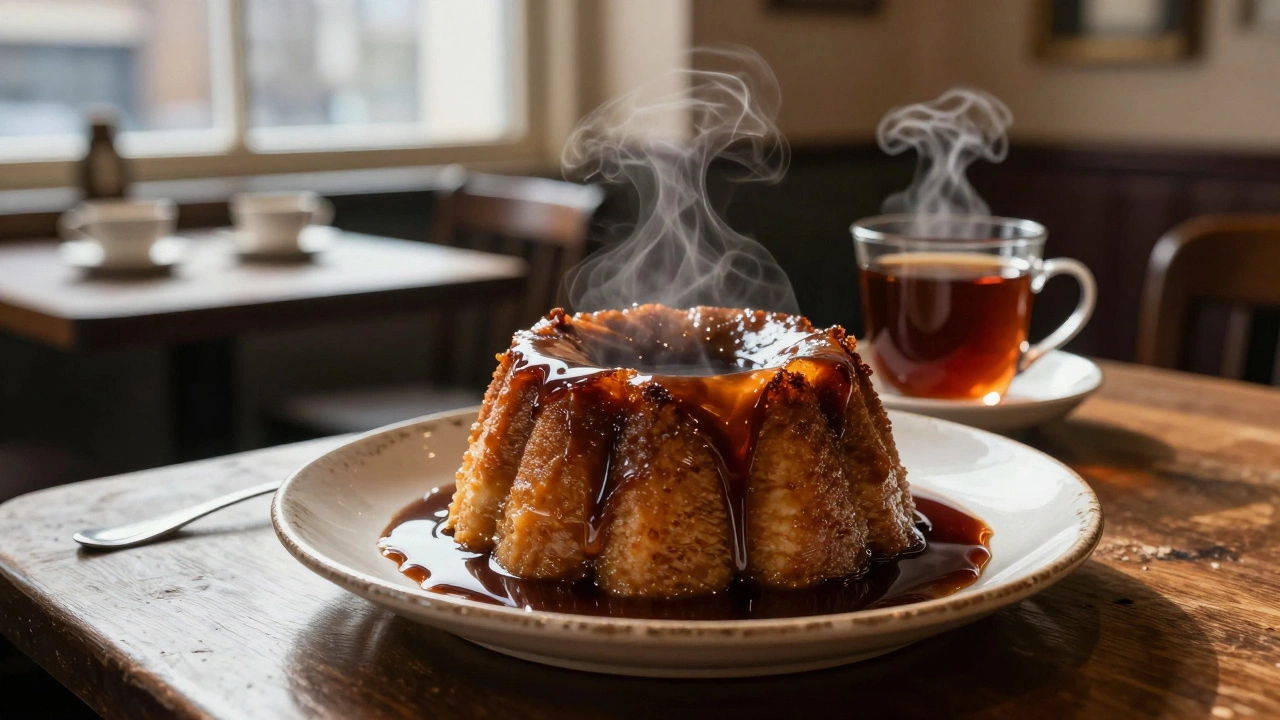
Most places in London serve sticky toffee pudding with a dollop of vanilla ice cream or a swirl of custard. But if you ask for it the old way - the way it was made in 1920s Cumbrian guesthouses and brought south by railway workers - you’ll get it with a thick, dark toffee sauce poured straight over the warm sponge, no cream, no ice, just a spoon and a side of strong black tea. Head to St. John in Smithfield, and you’ll find it exactly like that. The cake is dense with chopped dates, soaked in butter and brown sugar, then baked until the edges caramelize. It’s not sweet. It’s deep. And it’s the kind of thing that makes you pause mid-bite, wondering why you ever settled for anything else.The Cornish Pasty That Wasn’t Made in Cornwall
You’ll find Cornish pasties everywhere in London - from market stalls in Borough Market to chain bakeries in Stratford. But the real one, the one that still uses the traditional crimped edge and has no vegetables in it except turnip and potato, is hidden in a tiny shop behind the old railway arches in Bermondsey. Wade’s Pasties has been making them since 1972. They use beef shin, not chuck. They don’t add onion. And they bake them in a wood-fired oven that still has soot from the 1980s. Locals know to ask for the “Dartmoor” version - a larger, thicker pastry with a hint of black pepper and a knob of butter tucked inside before baking. Eat it warm, and the butter melts into the pastry like liquid gold. You won’t find this on any tourist map.The London Pride Cake (No, Not the Beer)
This one’s a legend in South London. It’s not a cake you’ll find in a bakery window. It’s made in homes, mostly by women over 60, and passed down like a family heirloom. London Pride Cake is a dense, spiced fruit loaf with candied peel, brown sugar, and a secret ingredient: a splash of dark rum that’s been sitting in a jar since 1997. It’s baked in a tin, cooled upside down, then wrapped in greaseproof paper and left to mature for three days. The texture? Like moist earth. The taste? Like Christmas in a Victorian parlor. Ask around in Peckham or Lewisham, and someone will hand you a slice wrapped in twine. It’s not for everyone. But if you’ve ever sat in a council flat on a rainy Tuesday with a cup of tea and this cake, you’ll understand why it’s survived.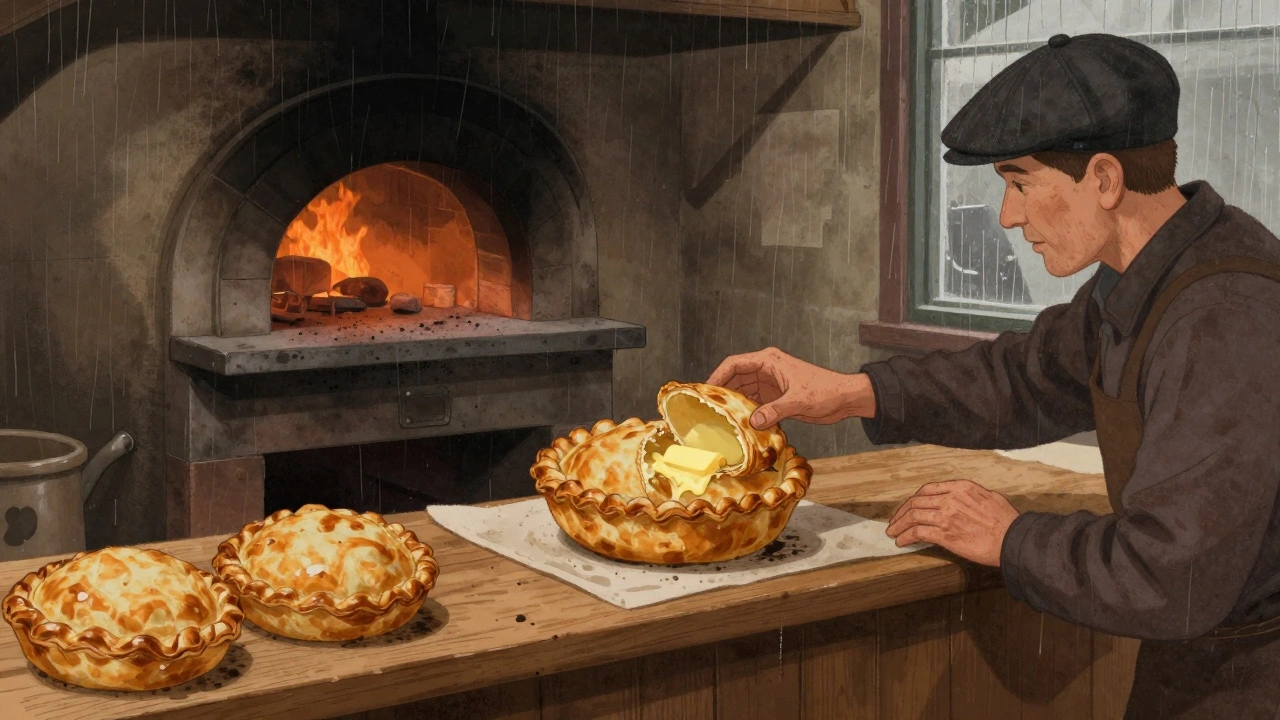
The Welsh Rarebit That Became a Sandwich
Most people think of Welsh rarebit as a fancy grilled cheese. But in London, it became something else entirely. In the 1930s, pub kitchens in Camden and Islington started serving it on thick slices of brown bread, layered with pickled beetroot and a spoonful of English mustard. The cheese sauce? Made with ale from a local brewery - usually Fuller’s or Meantime. It’s not spicy. It’s not rich. It’s sharp, tangy, and deeply comforting. You’ll find it still on the menu at The Ten Bells in Spitalfields, where the landlord still uses the same recipe his grandfather brought from Cardiff in 1948. Eat it with a pint of bitter, and you’re tasting a piece of working-class London history.The Gingerbread That Doesn’t Use Molasses
Modern gingerbread is all about molasses, dark syrup, and strong spices. But in East London, there’s a version that predates the American version by centuries. It’s made with golden syrup, treacle, and a touch of ground cloves. The dough is rolled thin, cut into squares, and baked until crisp - not chewy. It’s called East End Gingerbread, and it’s still made by a family in Hackney who sell it at the Broadway Market every Saturday. You’ll find it wrapped in wax paper with a stamp that says “1892.” It’s not sweet. It’s warm. It’s the kind of thing you eat with your fingers while walking through the market, watching the steam rise from the coffee carts. The recipe? No eggs. No butter. Just flour, syrup, spice, and patience.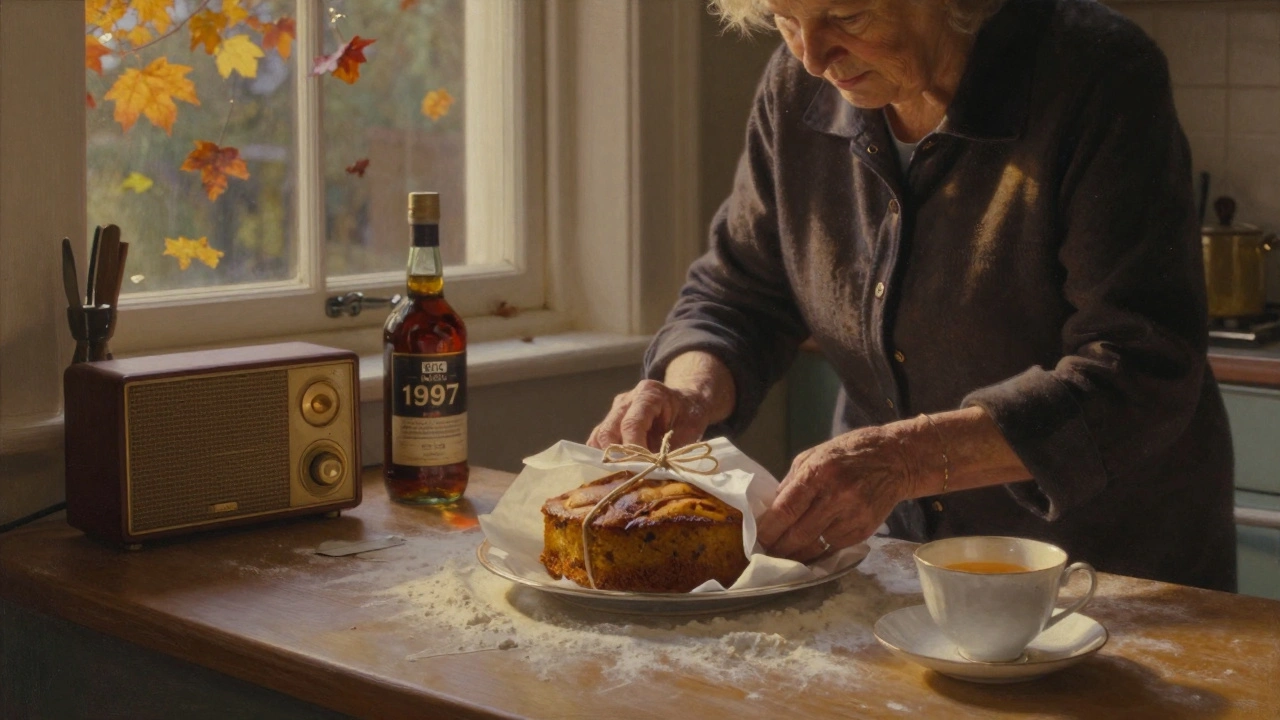
The Parkin That’s Still Baked on Bonfire Night
If you’ve ever been to a bonfire night in South London - say, in Brockwell Park or Peckham Rye - you’ve probably smelled it. Parkin is a sticky, dark ginger cake made with oatmeal, black treacle, and ginger. It’s not eaten fresh. It’s made on November 5th and left to sit for a week, so the flavours deepen. The texture becomes fudgy, the spice mellow. Every year, the same woman in Dulwich bakes 300 of them and sells them from her front garden. She doesn’t advertise. People just show up. The recipe? No baking powder. No eggs. Just oatmeal, treacle, butter, and a pinch of salt. It’s not fancy. It’s not Instagrammable. But if you’ve ever had a slice on a cold November evening, with a cup of tea and the sound of fireworks in the distance, you know why it still exists.Why These Recipes Survive
London changes fast. New cafes open every week. Instagram trends come and go. But these recipes? They don’t care. They survive because they’re tied to place, to memory, to the rhythm of the city. They’re baked in flats with no ovens, in community centres after school, in kitchens where the radio plays BBC Radio 4. They’re not about perfection. They’re about persistence. They’re the quiet rebellion of tradition in a city that’s always moving.If you want to taste the real London, don’t go to the tourist spots. Go to the places where people still bake for each other. Ask for the recipe. Offer to help. You’ll get a slice of cake - and maybe, just maybe, a story.
Where can I find the original London Pride Cake in London?
There’s no single bakery that sells it. The recipe lives in homes - mostly in South London neighbourhoods like Peckham, Lewisham, and Croydon. If you ask around at local community centres or Sunday church bake sales, someone will likely offer you a slice. Some older residents still make it for charity events. The best time to find it is during the autumn months, especially around harvest festivals.
Is sticky toffee pudding really better without ice cream?
In London’s traditional circles, yes. The original version from the 1920s was served with just a thick, warm toffee sauce and a cup of strong tea. The ice cream is a modern addition that came with American influence. If you try it the old way - warm, dense, and unadorned - you’ll notice the depth of flavour that gets lost when chilled dairy masks the caramelised dates and butter. Try it at St. John in Smithfield to taste the difference.
Can I buy East End Gingerbread outside of Hackney?
Not easily. The family behind the original recipe only sells it at Broadway Market on Saturdays. A few independent delis in Islington and Walthamstow occasionally stock it, but they’re rare. Online orders are not available - it’s made in small batches and shipped only locally. If you’re outside London, your best bet is to ask someone who’s been to the market and bring back a wrapped package. It lasts for weeks if kept in a cool, dry place.
Why is Parkin only eaten after November 5th?
It’s tradition. Parkin was originally made to last through the winter months, and Bonfire Night was the traditional start of that season. The cake improves over time - the treacle softens, the spices settle, and the oatmeal absorbs moisture to create a fudgy texture. Eating it fresh defeats the purpose. People in South London still follow this rule: bake on the 5th, eat on the 12th. It’s not superstition. It’s science - and taste.
Are these recipes easy to make at home?
Yes - if you have patience. Most don’t require special equipment. You don’t need a stand mixer for Parkin or East End Gingerbread. You just need time. The key is following the old rules: letting things sit, using treacle instead of molasses, baking low and slow. The real challenge isn’t the ingredients - it’s resisting the urge to rush. These recipes aren’t meant to be quick. They’re meant to be lived with.
If you’re looking for a deeper connection to London’s soul, start in your kitchen. Bake one of these. Share it. Ask why it matters. You might just uncover something no tourist guide ever mentioned.