Girls Who Travel - How to Find the Perfect Travel Companion
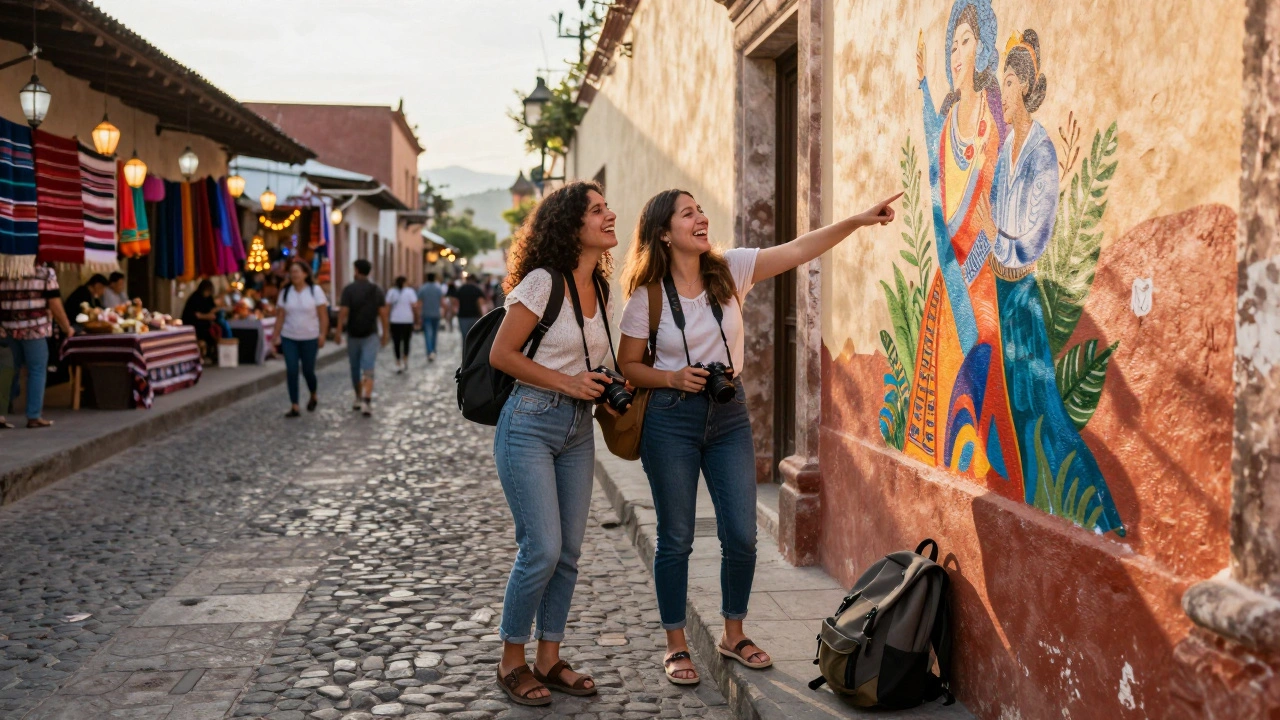
Traveling alone as a woman can feel empowering-but it doesn’t have to mean being lonely. Finding the right travel companion makes all the difference: safer trips, better memories, and someone who actually remembers to pack sunscreen. The key isn’t just finding anyone who likes to explore-it’s finding someone whose rhythm matches yours.
What Makes a Great Travel Companion for Women?
A great travel companion isn’t someone who just says yes to everything. It’s someone who respects your boundaries, matches your pace, and handles surprises calmly.
According to a 2024 survey by Lonely Planet’s Women’s Travel Network, 68% of solo female travelers who partnered with someone reported fewer safety concerns and 74% said they had more meaningful experiences. That’s not luck-it’s chemistry. The right person stays flexible when plans change, doesn’t push you into uncomfortable situations, and checks in before making decisions that affect both of you.
Think about it: Would they wait 20 minutes while you take three photos of a street mural? Would they suggest skipping a crowded party because you’re tired? Would they speak up if a hotel room felt sketchy? These small things matter more than whether they know how to pack light.
Where to Look for a Travel Companion
You don’t need to swipe right on a dating app to find someone to explore with. There are better, safer places to start.
- Women-only travel groups like She Travels Solo or The Women’s Travel Club have active forums and meetups in over 80 countries. Many organize group trips with vetted participants.
- Hostel social events in places like Lisbon, Chiang Mai, or Berlin often have women-only dorms and organized excursions. Talk to people during breakfast or evening gatherings.
- Volunteer programs like Workaway or HelpX connect travelers with local hosts. Many women join these for short-term stays and end up traveling together afterward.
- Facebook groups like "Solo Female Travelers Worldwide" have over 450,000 members. Search for posts like "Looking for travel buddy for Peru in May"-most are genuine.
Avoid random Craigslist or Reddit posts. Stick to platforms with verification, group moderation, or real-name profiles. Safety starts with structure.
How to Screen a Potential Travel Partner
Before you book flights, have a conversation-preferably over video call. Don’t skip this step.
Ask these five questions:
- What’s your budget range for accommodation and food? One person might want hostels and street food; another expects hotels and restaurants. Misalignment here causes tension fast.
- What’s your ideal daily schedule? Early riser or night owl? Do you want to pack six sights into one day, or spend three hours reading in a café?
- How do you handle conflicts? Did they get mad when their flight got delayed last time? Do they blame others or take responsibility?
- What’s your comfort level with local customs? Are you okay with covering your head in conservative areas? Do they respect that?
- Have you traveled with someone before? What worked? What didn’t? Their answer tells you more than their photos.
Also, check their social media. Look for posts about past trips. Do they tag locations? Do they seem respectful of locals? Are they posting from places they claim to have visited? Red flags include overly staged photos, no real-time check-ins, or vague answers.

Start Small: Test the Waters
Don’t plan a two-month trip across Southeast Asia with someone you’ve only messaged for two weeks. Start with a weekend getaway.
Try a day trip to a nearby town-something within a 3-hour train ride. Stay in one hotel. Share meals. See how you handle delays, bad weather, or a missed bus. Pay attention to how they react when things go wrong. Do they panic? Do they laugh? Do they take charge or wait for you to decide?
Many women who’ve traveled together long-term say their first real test was a rainy afternoon in Budapest or a broken-down bus in Morocco. If you both stayed calm and found a solution, you’re off to a good start.
Set Clear Rules Before You Go
Even the best friends can clash on the road. A few simple agreements prevent big fights.
- Split costs upfront-use Splitwise or a shared Google Sheet. No one likes guessing who paid for what.
- Decide on solo time-agree that each person gets at least one afternoon a week to do their own thing. No guilt, no explanations needed.
- Establish a check-in system-if one person goes off alone, they text a location and estimated return time. Simple, but it builds trust.
- Agree on photo rules-some hate being photographed; others want to post every meal. Talk about it before you start snapping.
One traveler from Manchester told me she and her partner signed a one-page "Travel Pact" before heading to Japan. It included things like "No last-minute hotel changes" and "We don’t drink more than two cocktails before dinner." It sounded silly-but it worked.

What to Do If It Doesn’t Work Out
Not every travel partnership lasts. That’s okay.
If things get tense, don’t ignore it. Say something early. Try: "I feel like we’re not on the same page about the pace. Can we talk about adjusting?" Often, a quick conversation fixes it.
If it doesn’t? Split up respectfully. Book separate accommodations. Take a few days apart. Most people don’t hold grudges-especially if you both handled it calmly. You can still be friends. You just weren’t meant to backpack through Peru together.
And if you’re in a dangerous situation? Leave. Call local authorities. Contact your embassy. Your safety is non-negotiable. No friendship is worth risking your well-being.
Real Stories: Who Found Their Perfect Match
Emma, 29, from Manchester, met her travel partner at a cooking class in Oaxaca. They bonded over mole recipes and both hated crowded tours. They traveled together for six months across Mexico and Guatemala. "We never argued about money because we set a daily limit. We split chores. And we always had one quiet night a week to read or journal. That saved us," she said.
Lena, 34, from Berlin, joined a women-only hiking group in Nepal. She paired up with a nurse from Toronto. They didn’t talk much at first-but during a 12-hour bus ride after a landslide, they shared stories about their families. By the end, they were planning a trip to Iceland together. "We didn’t need to be best friends. We just needed to be reliable," Lena told me.
These aren’t fairy tales. They’re real women who took small steps, asked the right questions, and chose safety over convenience.
Final Tip: Trust Your Gut
You’ll meet people who seem perfect on paper. They have great photos, nice bios, and seem eager to go. But if something feels off-don’t go. That little voice in your head? It’s not being paranoid. It’s protecting you.
Traveling with someone should make you feel lighter, not more careful. If you find yourself second-guessing their choices, hiding your plans, or apologizing for your needs-it’s not the right fit.
The perfect travel companion doesn’t need to be your soulmate. They just need to be someone you can trust with your passport, your safety, and your peace of mind.
Can I find a travel companion through dating apps?
It’s possible, but risky. Dating apps aren’t designed for travel partnerships. Many profiles are misleading, and safety checks are minimal. Stick to travel-specific platforms like She Travels Solo, Workaway, or verified Facebook groups. If you do use dating apps, meet in public, tell someone your plans, and never share your accommodation details until you’ve traveled together for at least a few days.
How do I know if someone is a scammer?
Red flags include: asking for money upfront, avoiding video calls, using stock photos, giving vague answers about past trips, or insisting on booking flights before meeting. Scammers often say they’re "in a hurry" or "have a family emergency." If they push you to make quick decisions, walk away. Real travelers are patient and transparent.
Is it safe to travel with someone I met online?
Yes-if you take the right steps. Always meet in public first. Share your itinerary with a friend. Use apps like Find My or Life360 to share your location. Avoid sharing your hotel address until you’ve spent at least one full day together. Trust your instincts. If something feels too good to be true, it probably is.
What if we have different travel styles?
Different styles aren’t a dealbreaker-but they need to be managed. One person might love museums; the other prefers beaches. That’s fine. Plan a balance: alternate days, or split up for a few hours. Use a shared calendar to mark activities. The key is respecting each other’s preferences without forcing compromise.
How do I bring up money concerns without sounding rude?
Say it early and calmly: "I like to track expenses so we both know where we stand. Would you be open to using Splitwise?" Most people appreciate honesty. If they react negatively, that’s a sign they’re not ready for shared travel. Budget transparency isn’t rude-it’s responsible.



Cailee Garcia
January 18, 2026 AT 22:01So let me get this right: I’m supposed to trust some stranger I met on Facebook because they tagged a photo in Lisbon?? 😭 I’ve seen those groups-half the people are just looking for free Airbnb stays or someone to pay for their cocktails. And don’t even get me started on ‘travel pacts’-next you’ll tell me to sign a notarized agreement before sharing a taxi. I’m just here for the memes and the trauma.
Tara Roberts
January 19, 2026 AT 12:03Okay but have you considered that 68% safety statistic might be manipulated? I did a deep dive into Lonely Planet’s funding sources-turns out they’re backed by a travel insurance conglomerate that profits when women *think* they’re safer with a buddy. Also, the ‘women-only dorms’? Those are often just marketing gimmicks. I know a girl who got drugged in a ‘safe’ hostel in Chiang Mai because the ‘vetted’ guy was actually working for a human trafficking ring disguised as a travel group. They use Facebook groups to harvest data-your location, your schedule, your face in photos. It’s all a trap. I’m not paranoid-I’m informed. And yes, I’ve seen the documents.
demond cyber
January 20, 2026 AT 14:49I really appreciate how practical this post is, especially the part about starting small with a day trip. I’ve seen too many people jump into two-month trips across Southeast Asia with someone they met online and then end up stranded in a remote town with no communication, no money, and zero trust. The key isn’t just finding someone who matches your pace-it’s finding someone who respects your silence. I once traveled with a woman who didn’t say a word for three days, and I thought she hated me-until I realized she was just recharging. We ended up hiking in the Andes together for six weeks. The real magic isn’t in the itinerary-it’s in the unspoken understanding that you don’t have to be loud to be present. And yes, we used Splitwise. And yes, we had one quiet night a week. And no, we never argued about who packed the sunscreen. That was her job. She’s still my best friend.
Rajesh r
January 22, 2026 AT 07:20Good advice. I met my travel partner in Morocco. We didn’t talk much at first. Just shared tea. Then a bus broke down. We waited five hours. Didn’t complain. Just laughed. That’s all you need. No pact. No app. Just respect. And sunscreen. Always pack sunscreen.
kimberly r.
January 24, 2026 AT 00:26Actually, the advice here is dangerously oversimplified. You mention Facebook groups with 450,000 members but ignore that over 60% of those profiles are bots or fake accounts created by travel influencers to sell courses. Also, the ‘one quiet night a week’ rule assumes everyone has the same emotional bandwidth-what about introverts who need three quiet nights? Or neurodivergent travelers who need sensory-free days? And the ‘trust your gut’ line? That’s not advice-that’s a cop-out. Your gut is shaped by trauma, culture, and social conditioning. You need objective criteria: background checks, verified travel history, shared emergency contacts. Otherwise you’re just romanticizing risk. And don’t get me started on ‘Workaway’-I know a woman who was forced to work 12-hour days under the guise of ‘cultural exchange.’ That’s not travel. That’s indentured servitude with a hashtag.