Exploring The Tower of London: A Visitor's Ultimate Guide
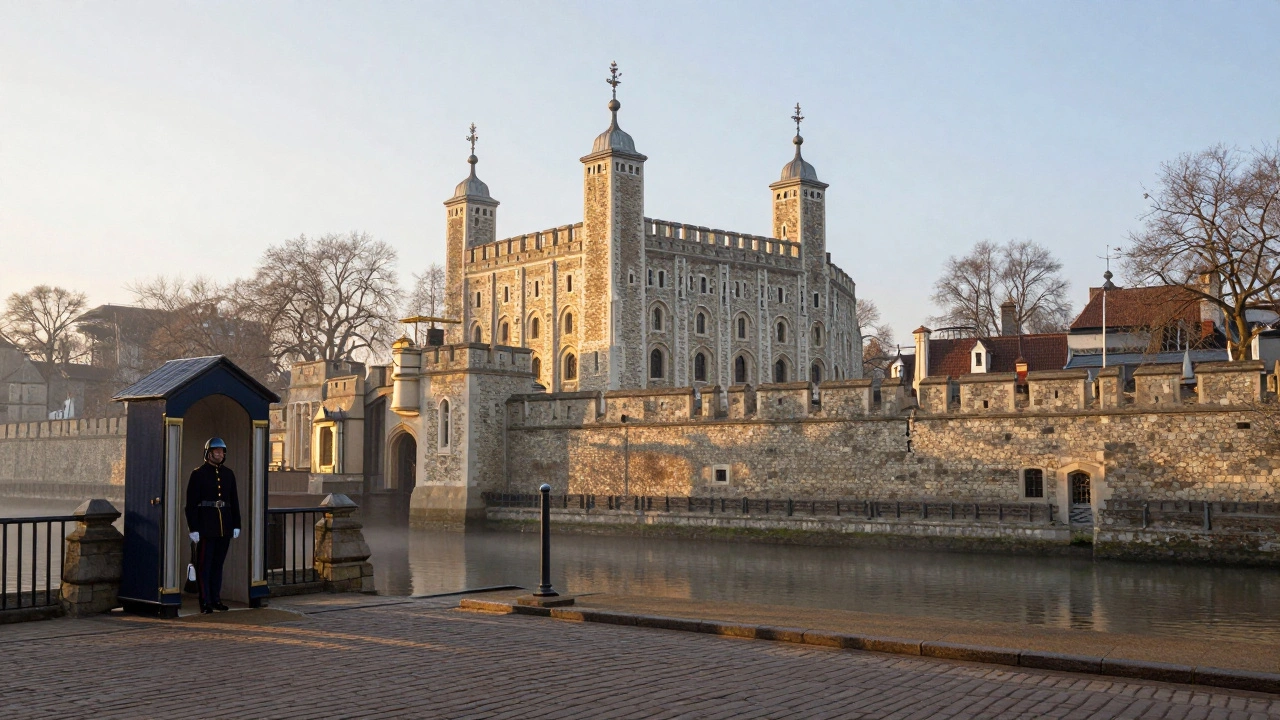
London’s skyline is packed with icons - the London Eye, Big Ben, Tower Bridge - but none carry the weight of history like the Tower of London. For locals, it’s not just a tourist spot. It’s where your great-grandparents might’ve walked the same cobbled paths, where the city’s darkest tales still echo in the stones, and where the Crown Jewels are guarded by men who’ve sworn an oath older than the UK itself. If you’ve lived in London for years and never gone inside, you’re missing a core piece of what makes this city tick.
What You’ll See Inside - And Why It Matters
The Tower of London isn’t one building. It’s a complex of over 20 structures built over 900 years. At its heart is the White Tower, commissioned by William the Conqueror in 1078. That’s right - this was built before the Magna Carta, before Shakespeare, before even the first recorded London pub. The walls you’re standing next to were already ancient when Henry VIII was throwing parties at Hampton Court.
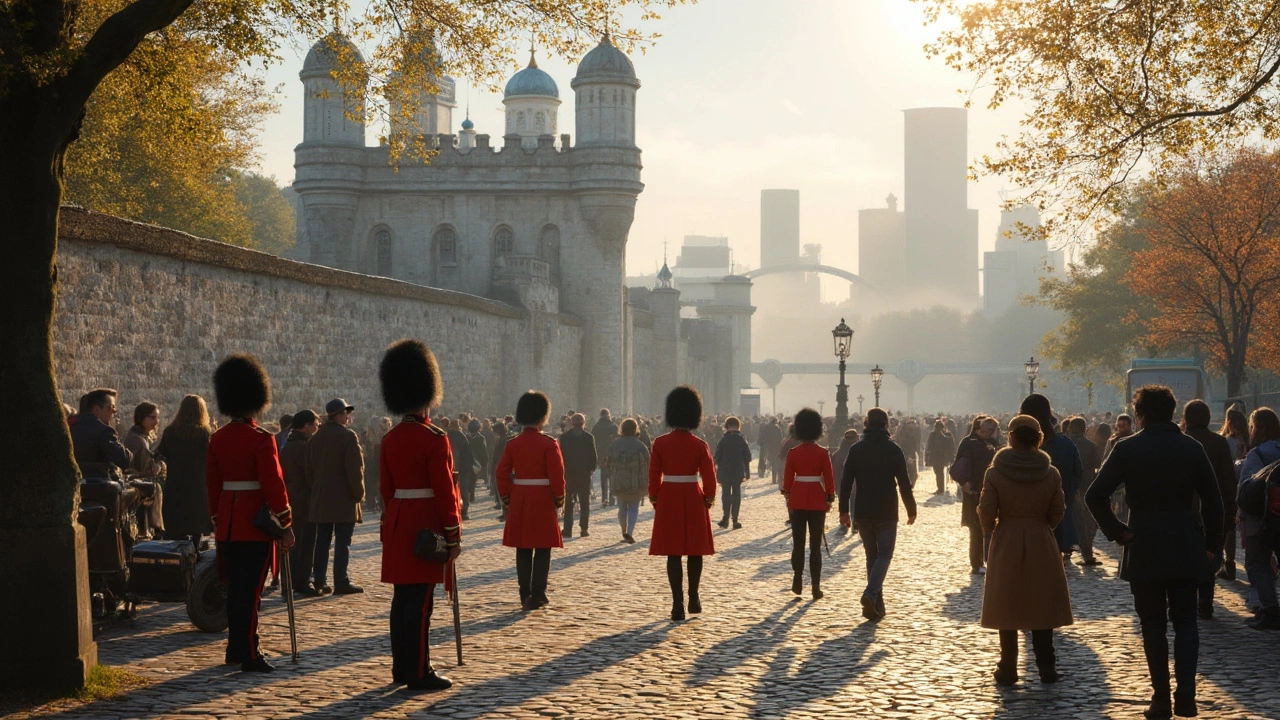
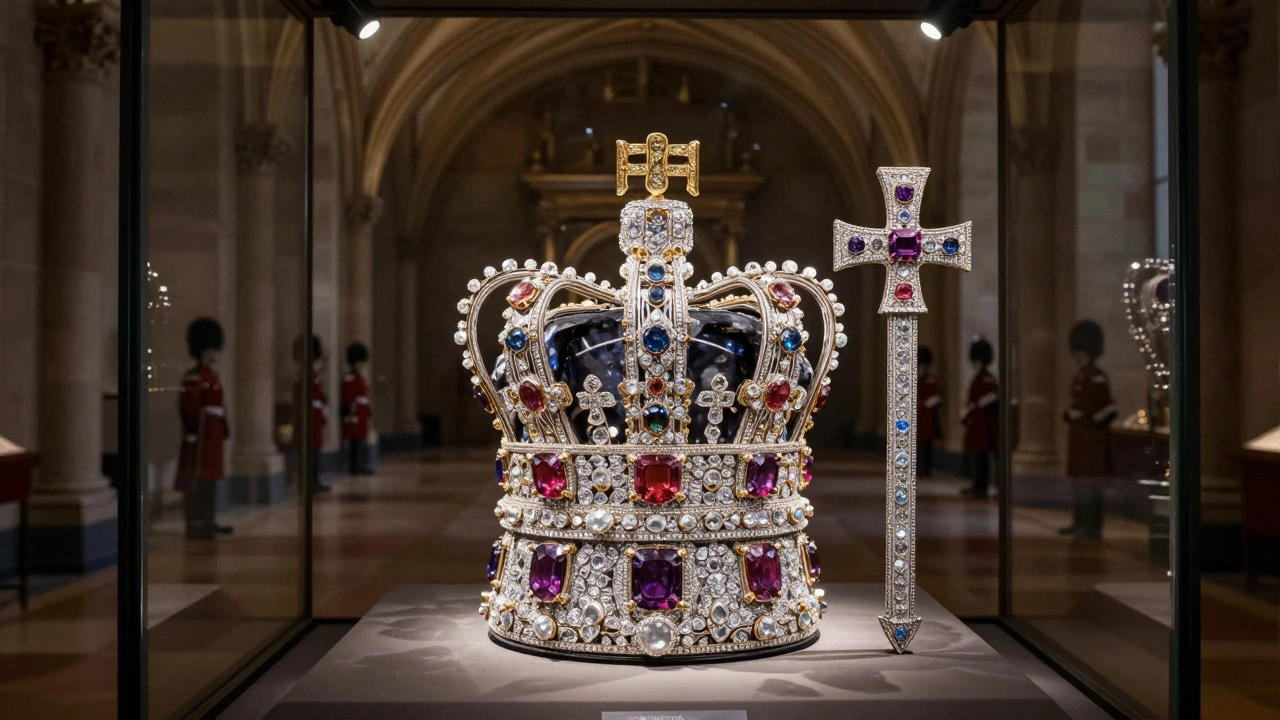
The Crown Jewels are the main draw. They’re not just shiny objects. They’re the physical embodiment of British monarchy. The Sovereign’s Sceptre with Cross? It weighs over 3.5 kilograms and holds the Cullinan I diamond - the largest clear-cut diamond in the world. The Imperial State Crown? It’s worn at every coronation and carries 2,868 diamonds, 17 sapphires, 11 emeralds, and 269 pearls. You can see them in the Jewel House, behind bulletproof glass, under constant watch. The guards? They’re Yeomen Warders - better known as Beefeaters. These aren’t actors. They’re retired senior NCOs from the British Army who’ve served at least 22 years. Some still live on-site with their families. You’ll hear their stories during the daily tours - tales of treason, executions, and royal births.
When to Go - Beat the Crowds Like a Local
If you’ve ever stood in line at Tower Bridge during peak summer, you know London’s landmarks can get packed. The Tower of London sees over 2.7 million visitors a year. But here’s the trick: go on a weekday, right after opening. The gates open at 9:00 AM. Arrive by 8:45, and you’ll be among the first 100 people inside. That means you’ll have the Jewel House to yourself for 15 minutes before the tour groups roll in.
Weekends? Forget it. The queues stretch past the moat and into the Tower Hill Tube station. Even on a quiet Tuesday, expect 45 minutes of waiting. Pro tip: Buy tickets online in advance. You can skip the ticket desk entirely. Use the official Historic Royal Palaces website - it’s the only official source. Third-party sellers charge more and don’t guarantee entry.
For Londoners who’ve lived here for decades, the best time to visit is late autumn. The light hits the White Tower just right around 3:30 PM, casting long shadows across the moat. The crowds thin out after Halloween. And if you’re lucky, you’ll catch the last tour of the day - the ‘Night Watch’ - where the Beefeaters do their ceremonial lock-up ritual. It’s not open to the public, but you can watch from the outer gates. It’s quiet. It’s eerie. It’s pure London.
The Hidden Stories - Beyond the Postcards
Most people know about Anne Boleyn and Guy Fawkes. But the Tower’s real secrets are quieter. In the 17th century, a royal mint operated inside these walls. Coins were minted here until 1810. You can still see the original furnace in the Jewel House basement. Then there’s the Bloody Tower - not named for violence, but because it once housed a red brick chimney. It’s where the Princes in the Tower vanished in 1483. Their bones were found in a wooden box under the stairs in 1674. They’re buried in Westminster Abbey now, but their story still haunts this place.
During WWII, the Tower was used as a prison for Nazi spies. One, Josef Jakobs, was the last person executed by firing squad in Britain. His last letter is on display in the Chapel Royal of St. Peter ad Vincula - the burial site of those beheaded here. You’ll find graves of queens, dukes, and traitors. No headstones. Just names etched into the floor. It’s chilling. And it’s real.
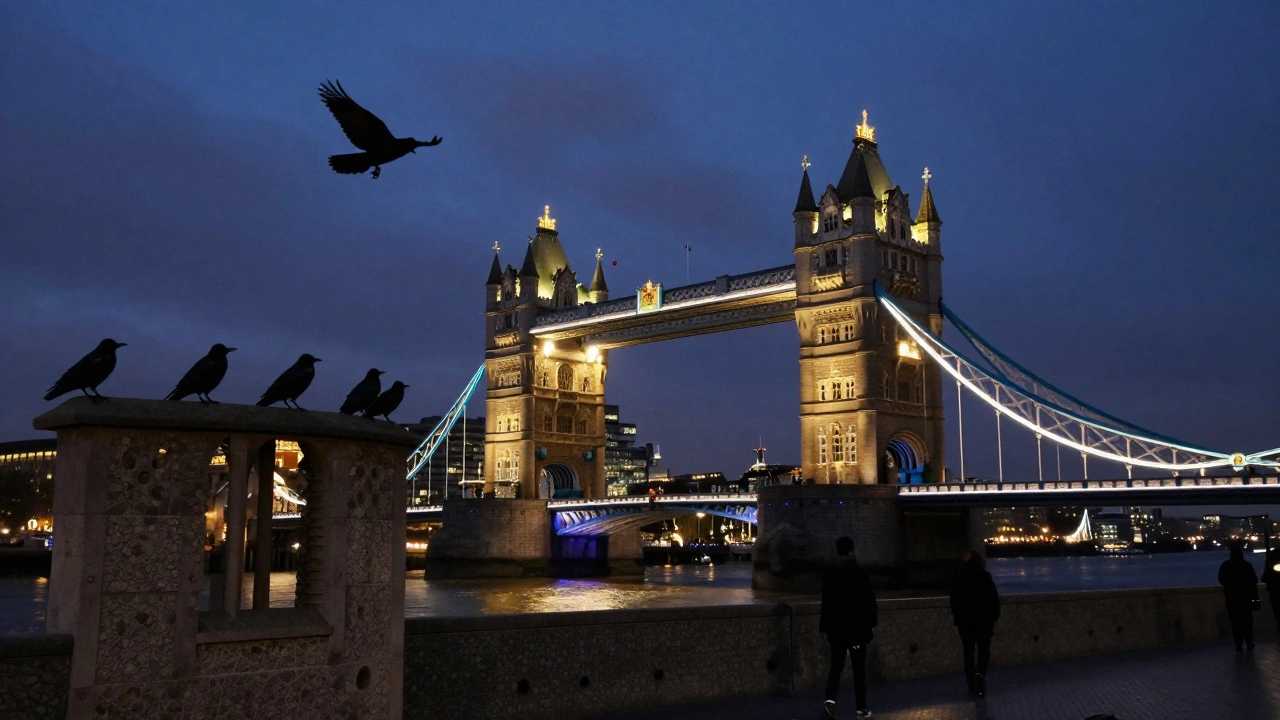
Don’t miss the ravens. There are seven of them, always. Legend says if they fly away, the kingdom will fall. They’re kept in a special enclosure, with clipped wings. Each has a name: Merlina, Munin, Jubilee, and so on. They’re fed raw meat daily. One, a raven named Jim Crow, famously stole a tourist’s phone and dropped it into the moat. It was never recovered.
How to Get There - And What to Do Before and After
The Tower is right next to Tower Hill Tube station (District and Circle lines). It’s a 5-minute walk from there. But if you’re coming from central London - say, from Covent Garden or Soho - take the Thames Clipper river bus. It stops at Tower Pier. You’ll arrive with a view of the Tower from the water. That’s how most tourists see it. But if you’re a Londoner, you’ll know the best route is walking from London Bridge. It’s a 15-minute stroll along the South Bank. Pass the Shard, duck into the Borough Market for a pie and a pint of London Pride ale, then turn left toward the Tower. That’s the way locals do it.
After your visit, grab lunch at The Tower Tavern. It’s right across the street. They serve steak and kidney pudding with Guinness gravy - the kind your granddad used to eat. Or head to the nearby City of London, where you can wander through the medieval streets around St. Bartholomew’s Church. It’s one of the oldest churches in London, founded in 1123. The crypt is open to the public. Free. No ticket needed.
What You Need to Know - Practical Tips for Londoners
- Wear walking shoes. The stones are uneven. You’ll be on cobblestones for over an hour.
- Bring a jacket. Even in summer, the moat area is windier than Hyde Park.
- Leave the drones and tripods at home. They’re banned inside the complex.
- There’s a free Wi-Fi zone near the entrance. Use it. The official app has audio tours in 12 languages - including Cockney slang versions.
- If you’re a London resident with an Oyster card, you get £2 off admission. Just show your card at the gate. No ID needed.
- There’s a quiet garden behind the Chapel Royal. It’s open to visitors. Sit there. Read. Listen. You’ll hear the bells of St. Katharine’s Dock ringing in the distance.
Why This Matters - The Tower Isn’t Just History. It’s Still Alive.
Some say the Tower of London is a museum. It’s not. It’s a working fortress. The Yeomen Warders still patrol. The Crown Jewels are still used in state ceremonies. The ravens are still fed. In 2023, the Queen’s coffin passed through the Tower on its way to Westminster Abbey. The same gates that once held prisoners held the most powerful woman in British history.
For Londoners, this place isn’t about nostalgia. It’s about continuity. The Tower has survived plagues, fires, wars, and revolutions. It’s still here. And so are we.
Can I visit the Tower of London at night?
No, the Tower of London is only open during daylight hours - typically 9:00 AM to 5:30 PM (last entry at 4:30 PM). It does not offer evening tours. However, you can view the exterior at night. The floodlit White Tower is stunning, especially from Tower Bridge or the South Bank. The Beefeaters perform a ceremonial locking-up ritual after closing, which you can watch from outside the main gates.
Is the Tower of London worth visiting if I’ve been to other London museums?
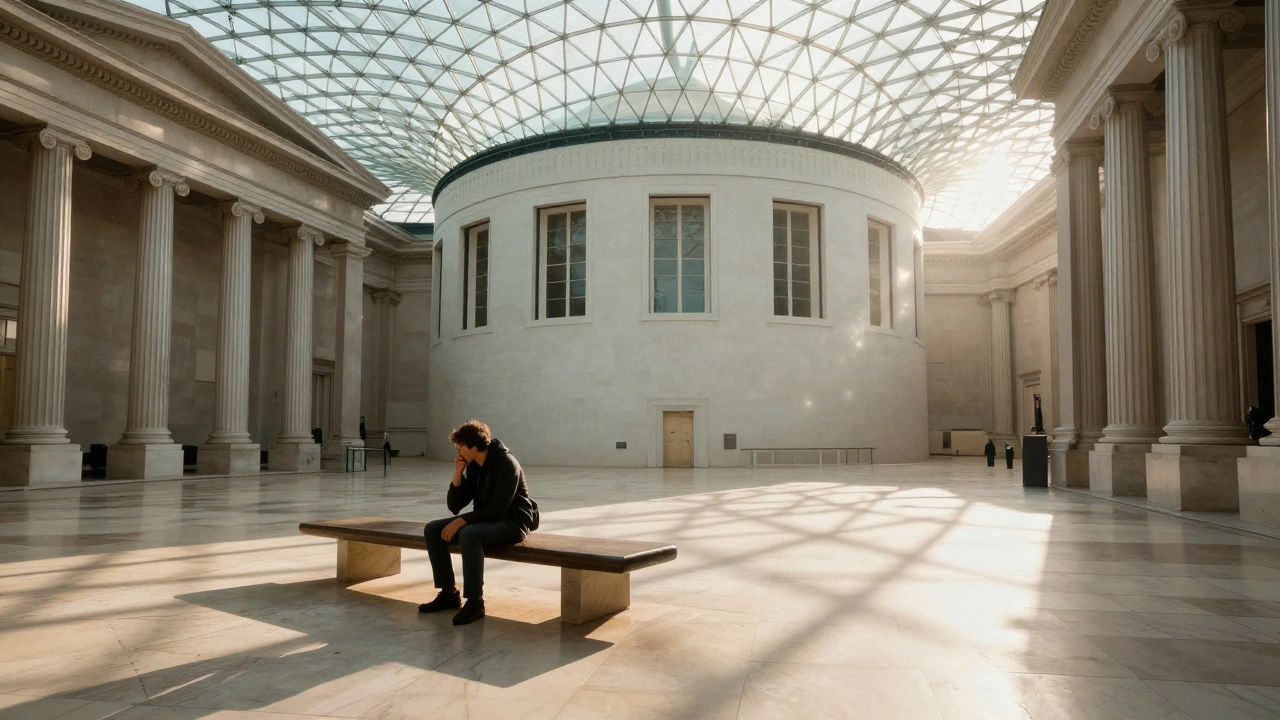
Yes - because it’s not a museum. Unlike the British Museum or the Victoria and Albert, the Tower is a living site where history is still being made. You’re walking on the same stones where kings were crowned, queens were imprisoned, and treason trials took place. The Crown Jewels are displayed in their original setting - not behind glass in a climate-controlled room, but in a fortress built for protection. It’s immersive. It’s emotional. And it’s uniquely British.
Are there any free ways to experience the Tower of London?
You can’t enter the complex for free, but you can walk around the outer walls and moat without a ticket. The Tower Hill area offers great photo spots. You can also visit the nearby Church of St. Katharine Cree for free - it’s one of the few remaining 17th-century churches in the City. Or take the free riverboat ride from Westminster to Tower Pier. The view of the Tower from the Thames is unforgettable.
Can I bring food or drinks inside?
No outside food or drinks are allowed inside the Tower complex. There are two cafés and one restaurant on-site, all run by Historic Royal Palaces. The prices are steep - expect £8 for a sandwich and £5 for a coffee. But if you’re visiting on a weekday, grab a takeaway from Borough Market before you go. You can eat it in the public gardens just outside the main entrance.
How long does it take to see everything?
Most visitors spend 2 to 3 hours. If you’re rushed, you can hit the highlights - Jewel House, White Tower, Bloody Tower - in 90 minutes. But if you want to read every plaque, listen to the audio tour, and sit in the chapel garden, give yourself 4 hours. Locals who come often spend half a day. There’s always something new - a hidden inscription, a new exhibit, or a raven doing something bizarre.
Final Thought - The Tower Belongs to Londoners, Too
You don’t need to be a history buff to feel something here. You just need to be a Londoner. Whether you grew up in Peckham, moved here for work, or still remember when the Tower was just a backdrop to your school trip - this place is yours. It’s not just a monument. It’s a mirror. And if you look closely, you’ll see your city reflected in its stones.