Cultural Experiences 101: A Beginner’s Guide to Global Adventures in London
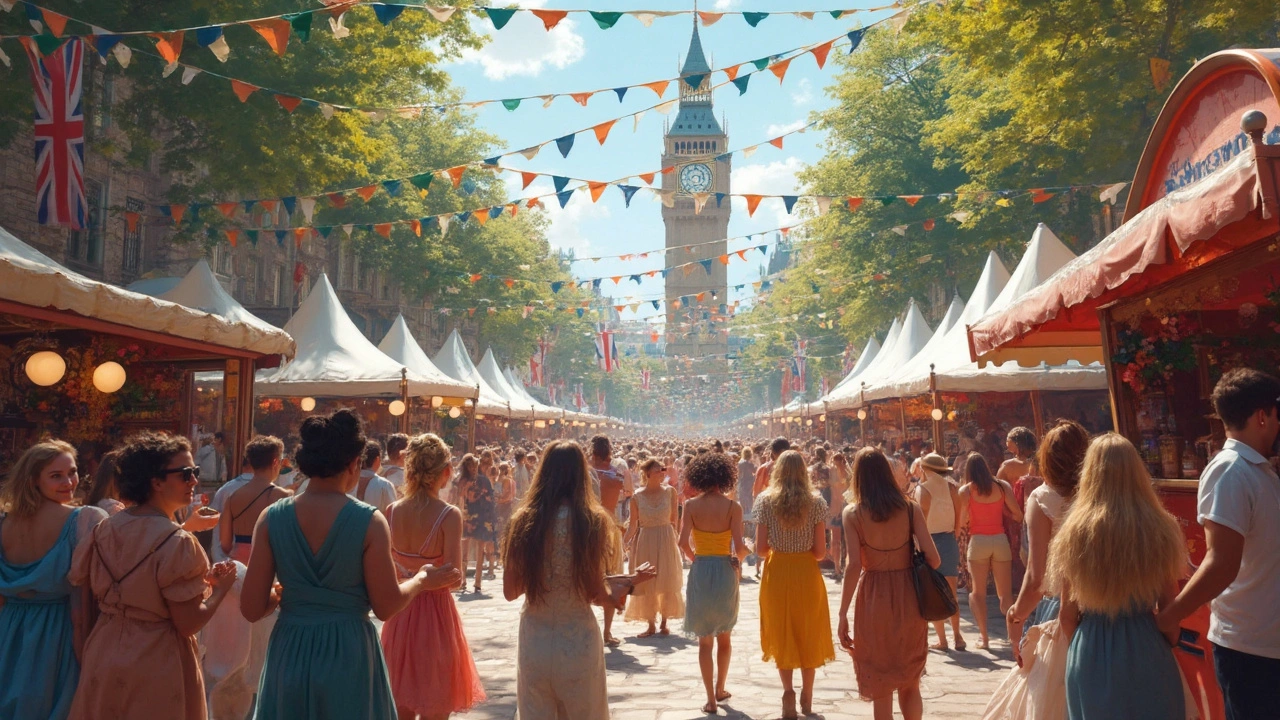
When you live in London, you’re already surrounded by culture-but have you ever stopped to really experience it? From the smoky jazz bars of Soho to the quiet reverence of Westminster Abbey, the city doesn’t just host culture-it breathes it. But if you’ve spent years rushing between meetings, Tube rides, and takeaway coffees, you might’ve forgotten what it feels like to truly step into another world without leaving the city. The truth? You don’t need a passport to begin your first real cultural experience. You just need curiosity.
Start Local: London’s Hidden Cultural Layers
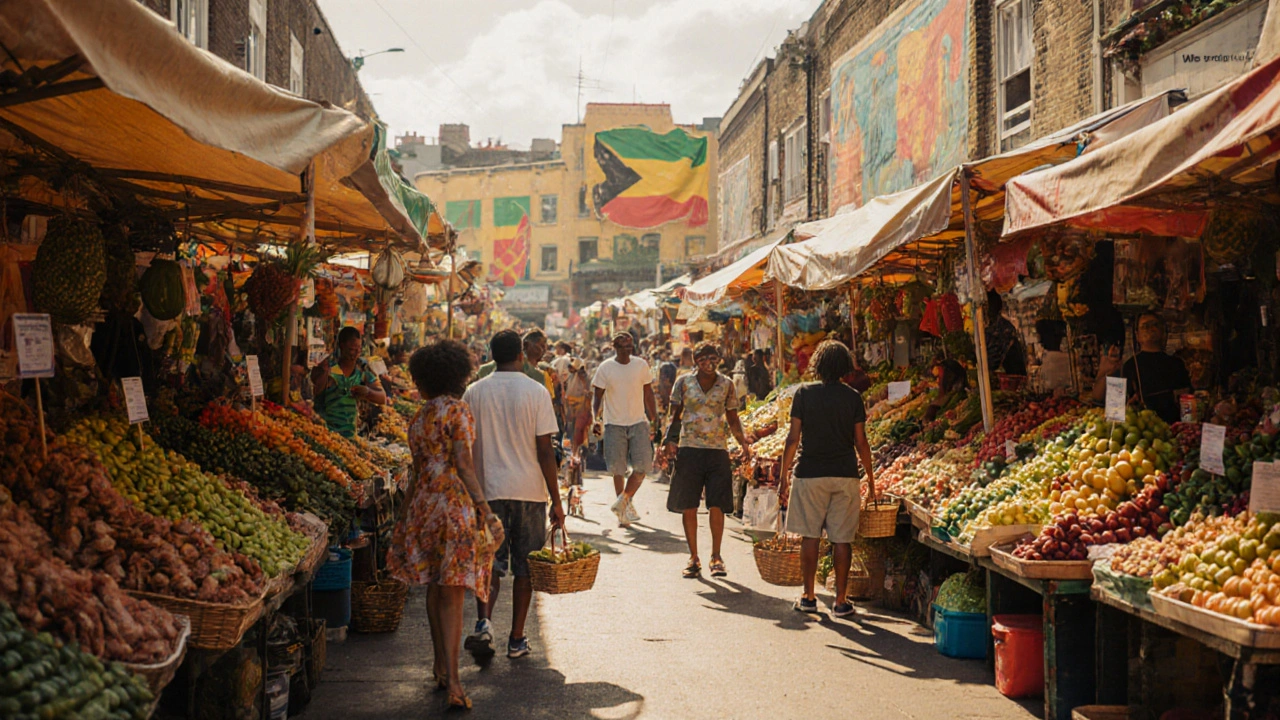
Most visitors think of Big Ben, the London Eye, and Buckingham Palace when they imagine London’s culture. But the real soul of the city lives in places most tourists never find. Walk through Brixton Market on a Saturday morning and you’ll hear reggae drifting from stalls selling jerk chicken and plantains. The scent of cardamom and cumin rises from the corner shops in Brick Lane, where Bengali families have run bakeries since the 1970s. In Camden, you’ll find punk history etched into the walls of the Electric Ballroom, where Siouxsie and the Banshees once headlined.Try this: pick one neighborhood you’ve never visited-say, Peckham or Harlesden-and spend an afternoon there without checking your phone. Eat at a family-run Ethiopian restaurant in Brixton, chat with the owner about their journey from Addis Ababa, and ask if they play traditional music on weekends. That’s cultural immersion, not tourism. It’s not about ticking boxes. It’s about listening.
Seasonal Traditions That Are Pure London
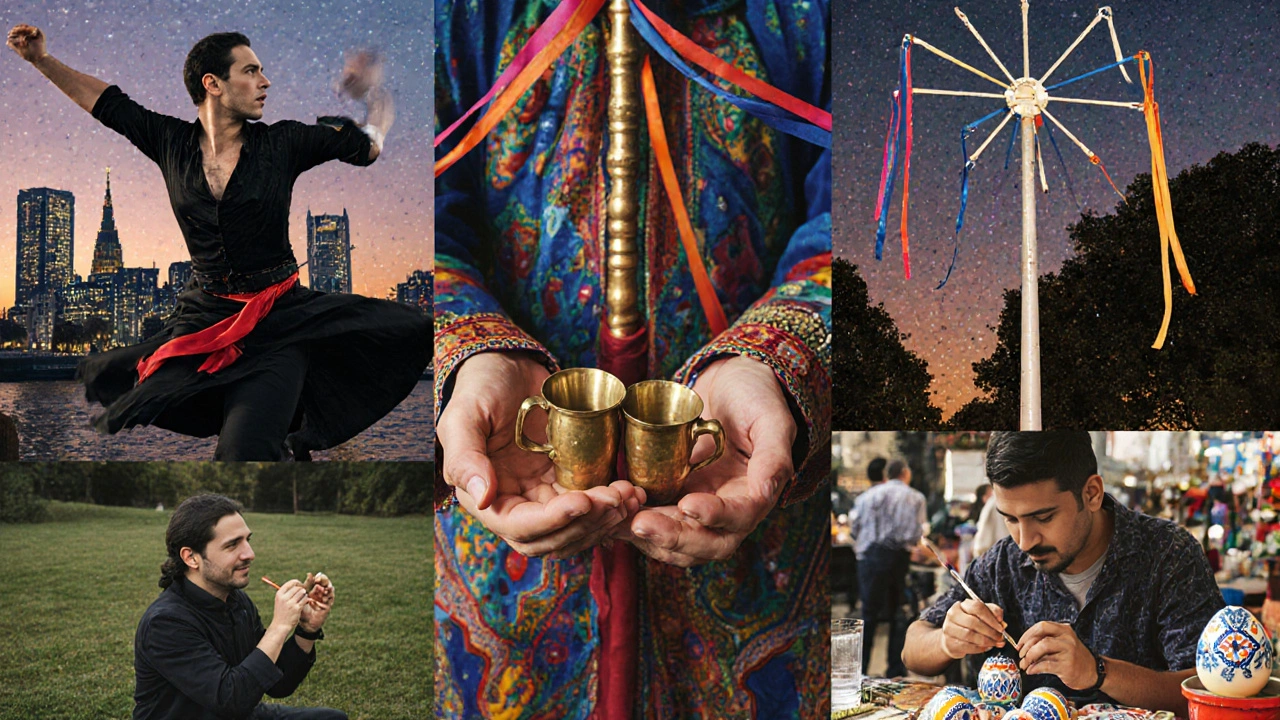
London doesn’t just celebrate holidays-it reinvents them. In December, the Christmas markets at Southbank and Hyde Park aren’t just about mulled wine and gingerbread. They’re a living archive of European craft traditions brought over by generations of immigrants. The German-style stalls at Southbank have been run by the same family since 1998. The Ukrainian wooden pysanky eggs on display? Made by a refugee artist who fled Kyiv in 2022 and now teaches workshops at the Southbank Centre.Don’t overlook the quieter rituals. On May Day, the Maypole dance still happens in Hampstead Heath, where locals in floral crowns weave ribbons around a pole as they have since the 1800s. In Lewisham, the Notting Hill Carnival isn’t just a party-it’s a 60-year-old act of resistance and joy, rooted in Caribbean communities who brought steel drums and masquerade to London after the Windrush generation arrived.
How to Experience Global Cultures Without Flying
You don’t need to book a flight to Japan, Morocco, or Brazil to taste their culture. London has entire neighborhoods built around them. In Acton, head to the Afghan restaurant Shamshiri for mantu dumplings and chai served in traditional brass cups. In Walthamstow, the Ghanaian community gathers every Sunday at the Walthamstow Market for jollof rice, kente cloth stalls, and live highlife music. At the British Museum, you can spend an afternoon with the Benin Bronzes-objects looted in 1897, now returned to Nigeria in spirit, if not yet in body-and read the plaques that tell the full story.Want to learn a dance? Take a free salsa class at the Southbank Centre on Wednesday nights. Curious about Chinese calligraphy? The Leicester Square branch of the China Cultural Centre offers weekend workshops for £5. The Victoria and Albert Museum has free evening openings on Fridays, where you can sip wine while exploring textile collections from Rajasthan or Indonesian batik.
London’s Cultural Institutions That Actually Welcome Beginners
Many people assume museums and galleries are for experts. They’re not. The Tate Modern has a free “Art for Beginners” tour every Tuesday at 2 p.m. that walks you through one piece-say, a Kandinsky painting-and explains how color and shape carry emotion. The Wellcome Collection in Euston turns medical history into human stories: you can touch replicas of 18th-century surgical tools, listen to recordings of patients from the 1920s, or sit in a silent room designed to mimic the experience of sensory deprivation.The British Library doesn’t just house manuscripts-it hosts free “Storytelling Circles” every Thursday where people from different countries read folktales in their native languages. Last month, a woman from Somalia read a tale about a talking hyena that taught children about honesty. Afterward, a group of teenagers from Peckham asked if they could record it for their school project.
What to Avoid: The Token Cultural Trap
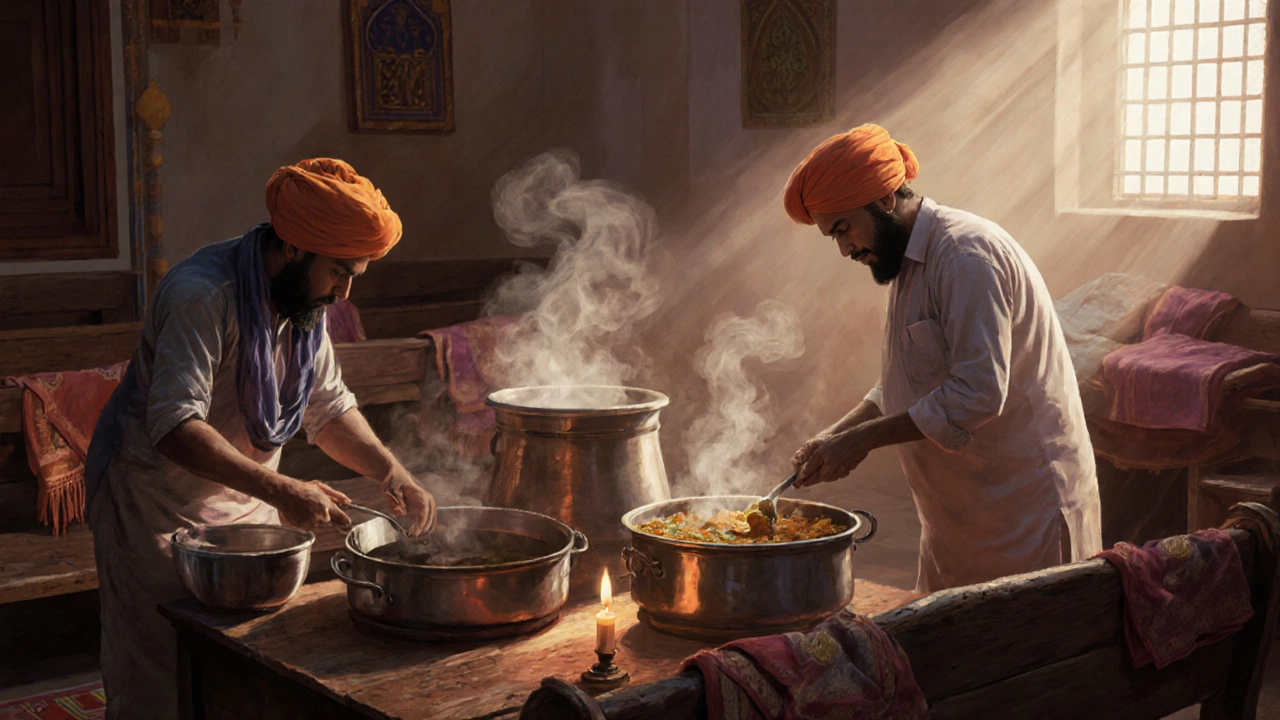
It’s easy to fall into the trap of “cultural tourism”-eating sushi at a Tokyo-themed bar in Shoreditch, wearing a kimono for Instagram, then leaving without learning anything. True cultural experience isn’t about costumes or hashtags. It’s about understanding context. If you go to a Nigerian pop-up dinner in Clapham, don’t just take a photo of the food. Ask why they serve fufu with palm oil soup instead of rice. Ask how the recipe was passed down from grandmother to mother. Ask if they miss cooking it back home.Same goes for attending a Sikh langar at the Gurdwara Sri Guru Singh Sabha in Southall. You’re welcome to eat for free-but you’re expected to help wash dishes afterward. That’s not a chore. It’s part of the tradition. The food is simple: dal, chapati, kheer. But the act of serving and being served? That’s the culture.
Make It a Habit: Your 30-Day Cultural Challenge
Start small. Pick one thing a week that pulls you out of your routine:- Week 1: Visit the London Muslim Centre in Whitechapel during Friday prayers (non-Muslims are welcome to observe quietly). Listen to the call to prayer echoing over the rooftops.
- Week 2: Go to the Southbank Centre and catch a free poetry reading by a refugee writer. Bring a notebook. Write down one line that sticks with you.
- Week 3: Walk from Camden to King’s Cross and stop at every street performer. Don’t just drop coins-ask their name, where they’re from, and what song they’re playing.
- Week 4: Attend a London Library talk on “Food and Identity.” They often feature chefs from refugee backgrounds. Bring a friend.
By the end of the month, you won’t just have seen culture-you’ll have felt it. You’ll know the rhythm of a Bengali wedding drum in Tower Hamlets. You’ll recognize the scent of frankincense from the Ethiopian Orthodox church in Islington. You’ll realize London isn’t just a city of buildings. It’s a living mosaic, constantly being rewoven by the people who live here.
Next Steps: Where to Go After You’ve Started
Once you’ve taken your first step, here’s what to try next:- Join the London Cultural Passport program-free for residents. Get stamps for visiting cultural sites, and redeem them for tickets to the Royal Opera House or a behind-the-scenes tour of the Globe Theatre.
- Sign up for a Community Language Exchange at your local library. Pair up with someone who speaks a language you’ve always wanted to learn. Coffee is on you.
- Volunteer with Refugee Support London to help organize cultural nights where newcomers share food, music, and stories. You’ll learn more than you give.
Global adventures don’t always mean flying across oceans. Sometimes, they mean walking down a street you’ve never taken, sitting at a table where no one speaks your language, and still feeling at home.
Can I experience real culture in London without spending much money?
Absolutely. Most major museums like the British Museum, Tate Modern, and V&A are free to enter. The Southbank Centre offers free performances weekly. Street markets like Brixton, Walthamstow, and Portobello have free entry and affordable food. Libraries host free talks, language exchanges, and film nights. Culture in London isn’t about price-it’s about curiosity.
What’s the best time of year for cultural experiences in London?
Spring and autumn are ideal. Summer is crowded, and winter can be gloomy. But late April to June and September to October bring the best weather for outdoor events like the Notting Hill Carnival (August), the London Literature Festival (September), and the Diwali celebrations in Trafalgar Square. December has the Christmas markets, but they’re busiest on weekends. Weekday visits are quieter and more personal.
Are there cultural experiences in London that are off-limits to tourists or non-locals?
No. Most cultural events in London are open to everyone. Some religious spaces, like gurdwaras or mosques, ask visitors to dress modestly and remove shoes-but that’s a sign of respect, not exclusion. The only thing you might not be allowed to do is take photos during prayer services. Always ask first. Locals appreciate when visitors show awareness, not assumptions.
How do I find authentic cultural events and avoid tourist traps?
Check local library event calendars, community centres, and platforms like Time Out London’s “Hidden Gems” section. Follow local Instagram accounts like @london.cultural.diaries or @brixton.moments. Ask shopkeepers, bus drivers, or librarians where they go for culture. They’ll point you to places no blog has written about.
I’m an expat. How can I connect with my own culture while living in London?
London is full of cultural associations for nearly every country. Find your community group: the Polish Cultural Centre in Acton, the Indian Association in Harrow, the Mexican Consulate’s events in Kensington. Many host language classes, holiday celebrations, and potlucks. You’ll find people who miss home-and you’ll help them feel less alone. It’s culture, not just nostalgia.
Tracy Riley
November 6, 2025 AT 14:31Okay but let’s be real-London’s ‘cultural immersion’ is just gentrified exoticism with a side of artisanal chai. You think eating fufu in Clapham makes you woke? Nah. You’re just another bourgeois traveler with a Spotify playlist called ‘Global Vibes Only.’ The real culture isn’t in the markets-it’s in the quiet resistance of people who’ve been here for generations, still cooking the same dishes their grandparents did while landlords raise their rent. You don’t need a ‘30-day challenge’-you need to stop performing allyship and start listening without taking up space.
Mark Ghobril
November 7, 2025 AT 02:48I used to think culture meant checking off museums and festivals. Then I sat in a tiny Ethiopian cafe in Brixton last winter, didn’t speak a word of Amharic, and just listened to the old man behind the counter hum a song while he stirred his coffee. He smiled when I nodded. No translation needed. That’s the magic. You don’t need to understand everything-just be present. Start with one place. One person. One quiet moment. That’s where the real journey begins.
Adam Williams
November 7, 2025 AT 18:08OMG YES. 🙌 I went to the Walthamstow Market last Sunday and got the BEST jollof rice from this lady named Amina-she told me her mom taught her the recipe in Ghana and she still uses her original wooden spoon! 😭 I didn’t even know what ‘highlife’ was before, now I’m obsessed. Also, the guy selling kente cloth gave me a free little bracelet ‘for good vibes.’ I’m crying. London is literally magic if you just slow down. 🌍💛
MARICON BURTON
November 9, 2025 AT 17:06Ugh. This post is so performative it hurts. ‘Walk through Peckham without your phone’? Cute. Try living there without running water or a functioning bus line. You think the Bengali bakery owners in Brick Lane care that you ‘appreciate’ their cardamom buns while your Uber Eats order takes 40 minutes? They’re not your Instagram backdrop. And don’t get me started on ‘free’ cultural events-those are the same ones that get shut down when the council decides ‘noise complaints’ matter more than heritage. This isn’t a travel blog, it’s a colonial fantasy with a vegan latte.
Nishi Thakur
November 10, 2025 AT 20:14Mark, your comment about the Ethiopian cafe made me cry. I’ve been in London for 12 years and still get overwhelmed by how much beauty exists here if you just pause. Nishi here-from India-and I’ve found my people at the Southbank Centre’s free poetry nights. Last month, a Syrian poet read in Arabic, then English, and the whole room held its breath. No one clapped right away. We just… felt it. That’s culture. Not the markets. Not the hashtags. The silence between words. Keep showing up. You’re not a tourist here. You’re becoming part of the story.