The Global Perspective on Adult Services
Adult services exist in every country, but how they operate, who uses them, and what’s legal varies wildly. There’s no single global standard-what’s accepted in one place is illegal or taboo in another. Understanding these differences isn’t about judging, it’s about seeing the real picture: how culture, law, and economics shape what adult services look like around the world.
Legal Frameworks Define the Industry
The biggest factor shaping adult services isn’t demand-it’s the law.
Some countries treat adult services as a regulated industry, others ban them entirely, and a few fall somewhere in between.
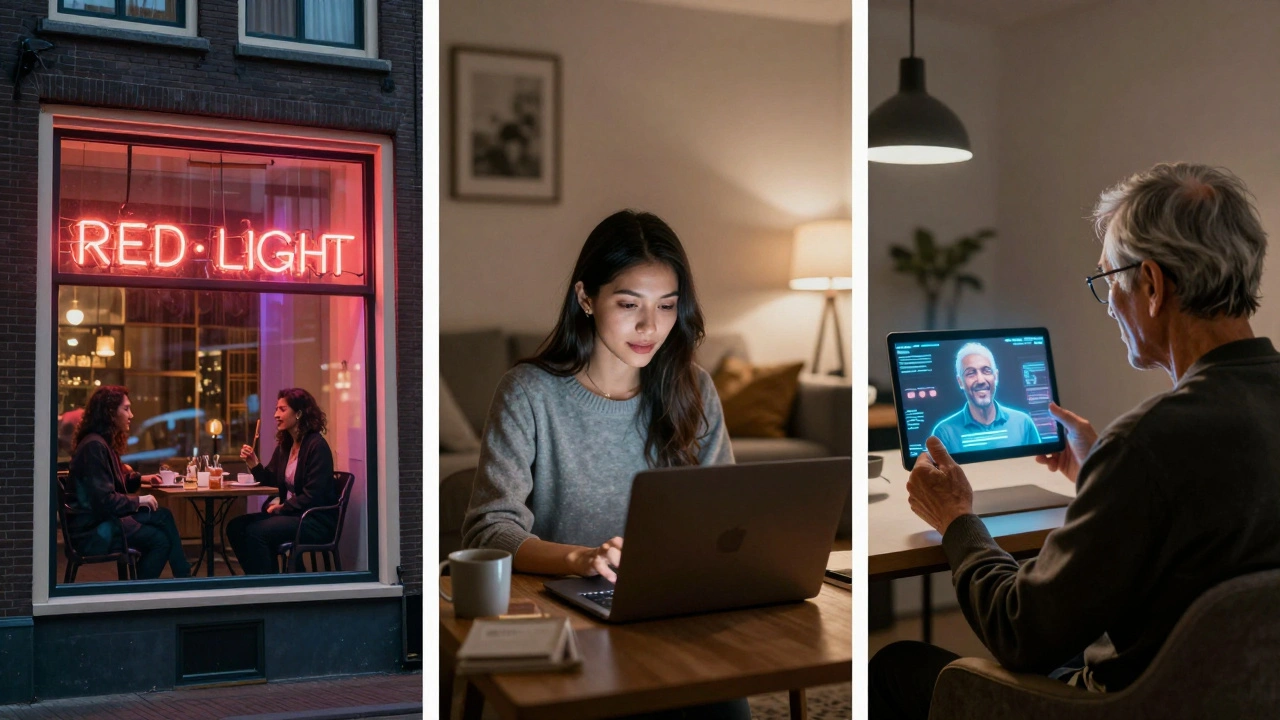
In the Netherlands, sex work is legal and regulated. Workers in Amsterdam’s Red Light District must register, pay taxes, and follow health guidelines. Brothels operate openly, and clients aren’t criminalized. This model prioritizes safety over morality.
In contrast, Sweden, Norway, and Iceland use the Nordic model: selling sex isn’t illegal, but buying it is. The idea is to protect sex workers by targeting demand. Studies show this reduces street-based exploitation but pushes services underground, making workers less safe.
Meanwhile, countries like Saudi Arabia and Iran impose harsh penalties, including imprisonment or corporal punishment, for any involvement in adult services-even as a client. Enforcement is inconsistent, but the legal threat is real.
Technology Has Changed How Services Are Delivered
Twenty years ago, adult services meant street corners, massage parlors, or phone numbers passed in bars. Today, nearly everything moves online.
Platforms like OnlyFans, Cam4, and ManyVids let individuals offer personalized content directly to customers. No middlemen. No agencies. Just creators managing their own brand, pricing, and boundaries.
This shift has blurred the line between traditional adult services and digital content creation. A woman in Manila offering video calls from her apartment isn’t working in a brothel-she’s running a small business. But she’s still part of the global adult services ecosystem.
Payment processors, social media bans, and banking restrictions make life harder for these creators. Many use cryptocurrency or peer-to-peer apps to avoid detection. This tech-driven underground is growing faster than any government can regulate.
Regional Differences in Demand and Supply
Who uses adult services-and who provides them-depends heavily on local economics and social norms.
In Southeast Asia, countries like Thailand and the Philippines have large populations of women entering sex work due to limited job opportunities and low wages. Tourists from Europe and North America often seek these services, creating a clear economic imbalance.
In Western Europe, demand comes from both locals and tourists, but services are more diversified. High-end companionship, emotional support, and lifestyle experiences are common alongside physical encounters. In cities like Berlin or Barcelona, you’ll find people offering “dates” that include dinner, conversation, and intimacy-not just sex.
In the United States, the market is split. Some states like Nevada allow licensed brothels in rural counties. Elsewhere, underground networks thrive. Online platforms have made it easier for independent providers to reach clients without physical locations.
One surprising trend: men over 50 in Japan and South Korea are increasingly using adult services as a way to combat loneliness. With aging populations and declining marriage rates, emotional connection is becoming as important as physical intimacy.
Human Rights and Exploitation Are Central Concerns
Not all adult services are voluntary. Human trafficking remains a dark underbelly of this industry.
The International Labour Organization estimates that 4.8 million people are trapped in forced sexual exploitation worldwide. Most are women and girls, but men and LGBTQ+ individuals are also affected.
Organized crime groups often target vulnerable populations-refugees, migrants, people in poverty-then use debt bondage, threats, or false promises to control them.
Legalization doesn’t automatically stop trafficking. In places where regulation is weak or corrupt, licensed brothels can mask illegal operations. That’s why organizations like Amnesty International and the Global Alliance Against Traffic in Women push for decriminalization of sex workers-not legalization of businesses.
Decriminalization means removing criminal penalties for selling sex, while still cracking down on exploitation. It gives workers legal rights to report abuse, access healthcare, and seek police help without fear of arrest.
How Culture Shapes Perception
What’s considered normal in one country is scandalous in another.
In Germany, adult services are widely discussed in media and even taught in sex education classes. The goal isn’t to encourage use-it’s to normalize conversation and reduce stigma.
In the U.S., the topic is often shrouded in shame. People who use these services rarely talk about it, even with partners. This silence makes it harder to address safety, consent, or mental health.
In Brazil, the line between adult services and nightlife is thin. Many “escort” services operate as part of the club scene, with dancers offering private time after performances. It’s not hidden-it’s just not labeled.
Religion also plays a role. In Muslim-majority countries, public discussion is rare, but private demand exists. In Catholic countries like Poland or the Philippines, moral pressure is high, yet underground networks persist.
These cultural differences aren’t just about values-they affect policy, funding for support services, and how law enforcement prioritizes cases.
What the Future Holds
Three trends will shape adult services over the next decade.
First: AI and virtual companions are rising. Companies in Japan and the U.S. are developing chatbots and holograms that simulate emotional connection. Some users report feeling less lonely with these tools than with human interaction.
Second: Regulation will tighten online. Governments are pressuring tech companies to block adult content, restrict payments, and monitor user behavior. This could push services further underground or force creators into niche platforms.
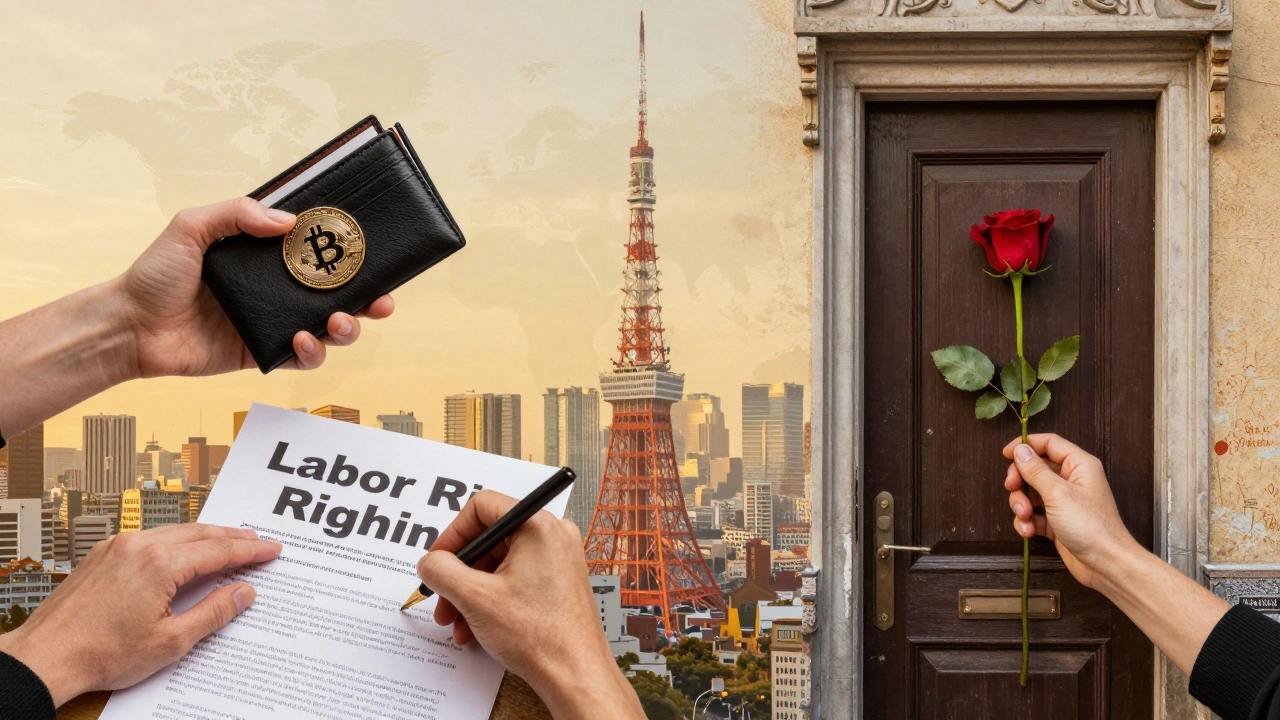
Third: Worker advocacy is growing. Groups like the International Union of Sex Workers and Red Umbrella Fund are pushing for labor rights, healthcare access, and legal protection. Their message is simple: sex workers aren’t criminals-they’re workers.
The global perspective on adult services isn’t about right or wrong. It’s about recognizing that people use these services for many reasons-loneliness, curiosity, financial need, or pleasure-and that the systems around them are shaped by power, poverty, and policy.
Understanding this complexity is the first step toward safer, more humane approaches.
Are adult services legal everywhere?
No. Adult services are legal and regulated in some countries like the Netherlands and Germany, illegal with criminal penalties in others like Saudi Arabia, and partially legal under the Nordic model (where buying sex is illegal) in Sweden and Norway. Even within countries, laws vary by region-for example, Nevada allows licensed brothels, but most U.S. states do not.
Is the adult industry growing or shrinking?
The industry is evolving, not shrinking. Traditional brothels are declining, but digital platforms like OnlyFans and cam sites are booming. In 2025, the global adult entertainment market was valued at over $150 billion, with over 30% of users under 30. More people are becoming independent creators than ever before, turning adult services into a form of digital entrepreneurship.
Do people use adult services for emotional reasons?
Yes. Many clients, especially older adults in Japan, South Korea, and parts of Europe, seek companionship more than sex. Services now include dinner dates, conversation, and emotional support. Research from the University of Tokyo found that over 40% of male users over 50 in Japan cited loneliness as their main reason for using adult services.
How does technology affect adult services?
Technology has moved the industry online. Apps, video calls, and subscription platforms let providers work independently, set their own prices, and avoid street-based risks. But it also creates new problems: payment blocks, platform bans, and surveillance. Some workers now use cryptocurrency to stay anonymous. AI chatbots are also emerging as alternatives to human interaction.
What’s the difference between legalization and decriminalization?
Legalization means the government creates rules and licenses for adult services, like zoning laws or health inspections. Decriminalization removes criminal penalties for selling sex, so workers aren’t arrested, but doesn’t necessarily regulate businesses. Decriminalization focuses on protecting workers; legalization often focuses on controlling businesses. Countries like New Zealand use decriminalization and report lower rates of violence against sex workers.
Are human trafficking and adult services the same thing?
No. Human trafficking involves force, fraud, or coercion to exploit someone for sex or labor. Adult services can be consensual and voluntary. But trafficking often hides within the adult industry, especially in unregulated areas. The key difference is consent. Legitimate adult services respect boundaries; trafficking violates them. Organizations like the UN and ILO stress that conflating the two harms efforts to protect real victims.