Westminster Clock Tower: History, Views, and Why It Still Matters in London
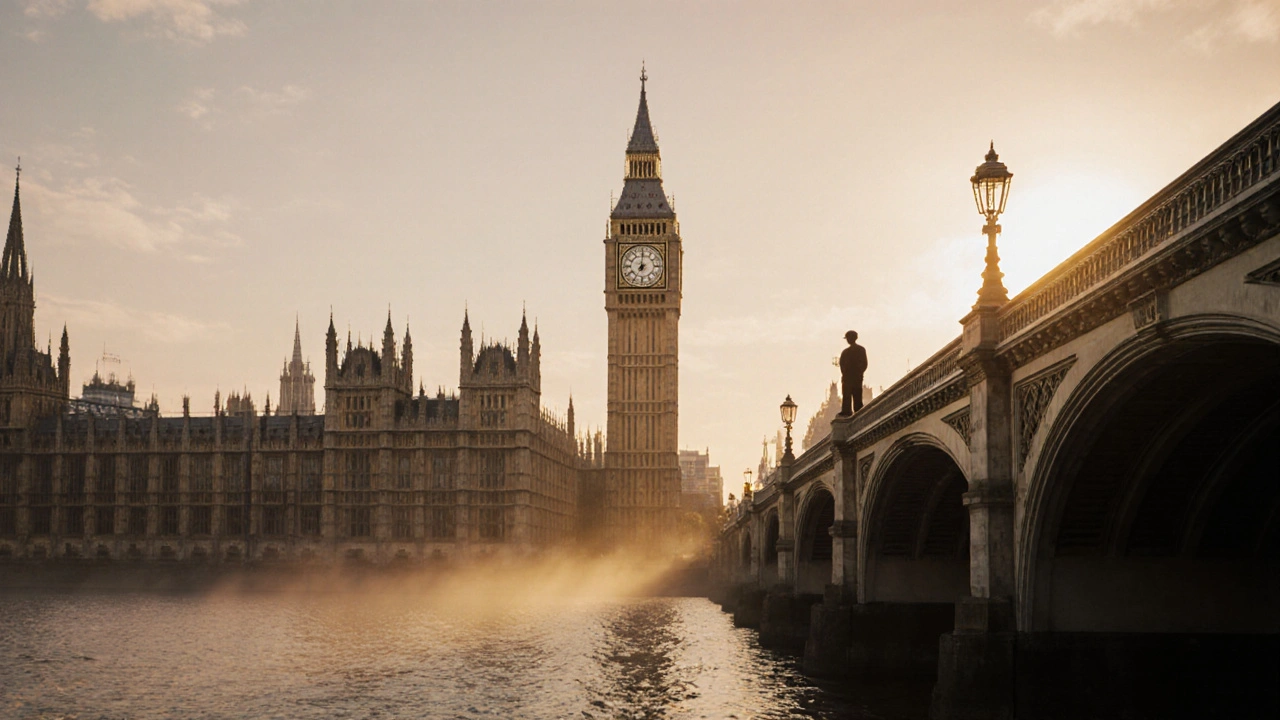
When you think of London, one image always comes up—the Westminster Clock Tower, the iconic clock tower that houses the bell known as Big Ben, and a defining symbol of British identity and engineering. Also known as Big Ben, it’s not just a timepiece—it’s a living monument that has ticked through wars, celebrations, and quiet mornings alike. People often mix up the tower and the bell, but the tower is the structure. Big Ben is the 13.5-ton bell inside. That distinction matters because this isn’t just a tourist photo op—it’s a working piece of Victorian engineering still lifting its hands every hour, rain or shine.
It sits right next to the Palace of Westminster, the home of the UK Parliament and the center of British democracy since the 19th century, making it part of a larger political and cultural landscape. You can’t talk about the Clock Tower without mentioning the River Thames, the historic waterway that flows beneath it, connecting London’s past to its present through boat tours, bridges, and evening lights. Walk along the river at dusk, and you’ll see the tower glow against the dark sky, reflected in the water—something locals still stop to watch, even after decades. Nearby, the Tower Bridge, another marvel of Victorian engineering that lifts for ships, just like the Clock Tower’s mechanism, offers a different kind of grandeur—but the Clock Tower feels more personal. It’s the sound you hear in the distance as you walk through St. James’s Park. It’s the chime that marks your morning coffee on a quiet Sunday.
It’s not just about looks. The Clock Tower has survived bombings, weather damage, and decades of wear. Its restoration in the 2010s wasn’t just about fixing rust—it was about preserving a heartbeat. Locals know the best time to see it is early morning, before the tour groups arrive. The Changing of the Guard at Buckingham Palace gets all the attention, but if you want to feel London’s soul, stand under the Clock Tower at 8 a.m. on a weekday. You’ll hear the chimes echo off the buildings, see commuters glance up without stopping, and realize this isn’t just a landmark—it’s part of daily life.
What you’ll find in the posts below are real, unfiltered ways to experience the Clock Tower and its surroundings—not just as a photo stop, but as part of London’s deeper rhythm. From quiet sunrise walks along the Thames to the hidden history behind the clock faces, from how it connects to royal rituals to why it still draws crowds even when the weather’s awful. These aren’t generic guides. They’re the kind of details you only learn from someone who’s been there, at the right time, with the right eyes open.