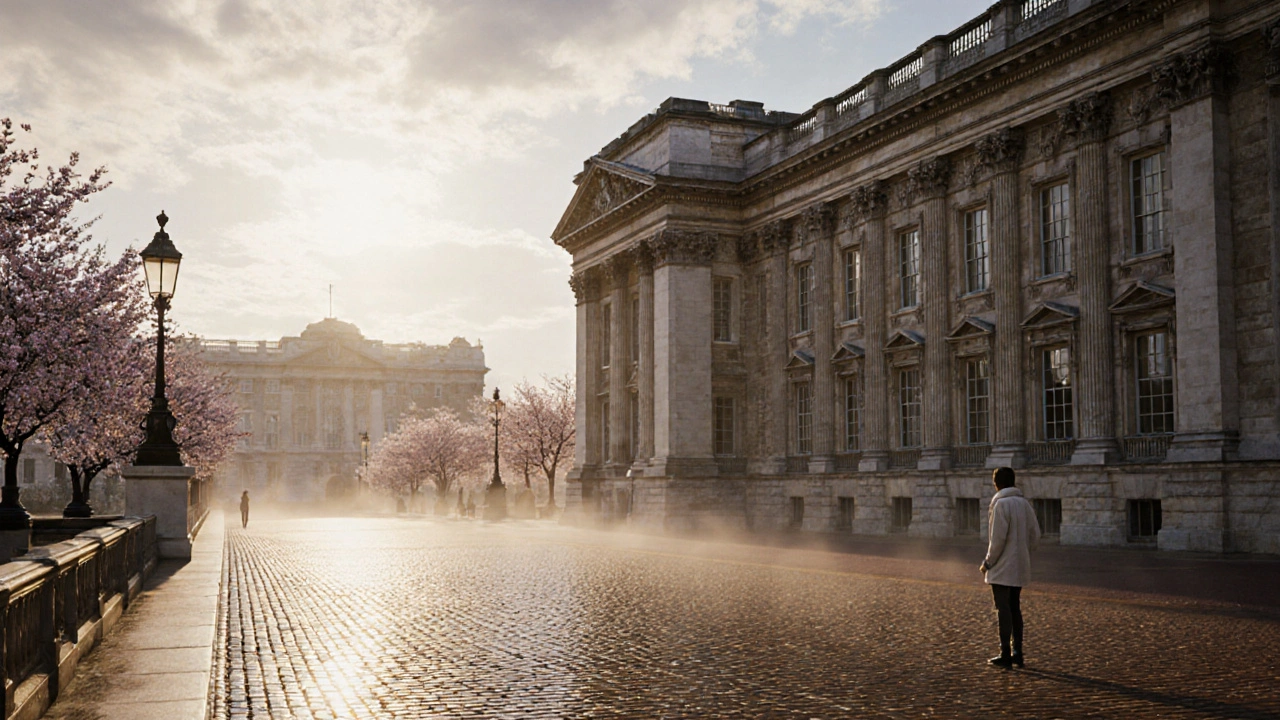
Visit Buckingham Palace: Royal Tours, Changing of the Guard, and Hidden Secrets
When you visit Buckingham Palace, the official London residence of the British monarch since 1837. Also known as the Queen’s London home, it’s not just a symbol—it’s a working royal building that opens its doors to the public every summer. Most people think it’s just about taking photos in front of the gates, but there’s so much more beneath the surface.
Behind the iron gates lies a world of tradition, architecture, and quiet moments that locals know well. The Changing of the Guard, a ceremonial handover of duties performed by the Queen’s Guard happens daily in summer and every other day in winter. Show up early, skip the front gate crowds, and walk around to the side of the palace—you’ll get better views and fewer people in your photos. The Royal Collection Trust, the organization that manages the palace’s art and history runs the official tours, and they’re the only way to see the State Rooms, where kings and queens hosted diplomats, celebrated birthdays, and held royal dinners. You’ll walk through rooms filled with priceless paintings, gilded furniture, and crystal chandeliers—all still used today for official events.
Many don’t realize the palace isn’t just a museum. It’s alive. The Royal Family still lives here, and staff arrive before dawn to prepare for meetings, luncheons, and state visits. Even the garden—the largest private garden in London—isn’t just for show. It’s used for summer parties, royal birthdays, and even outdoor receptions for foreign heads of state. The palace also has its own post office, police station, and even a doctor’s office. If you’ve ever wondered how a monarchy stays modern, this is how: by blending centuries of ritual with everyday function.
There are also secrets most tour guides won’t tell you. The palace has a private tunnel that connects to St. James’s Palace—used during wartime for safety. The famous balcony appearance? It’s not just for weddings. It’s how the monarchy acknowledges the public after major events, from royal births to victory parades. And the flag flying above? If it’s the Royal Standard, the monarch is home. If it’s the Union Jack, they’re away.
Planning your visit? Go in late August or early September. The crowds thin out, the weather is still warm, and the gardens are in full bloom. Book tickets online—no walk-ups. Wear comfortable shoes. You’ll walk more than you think. And if you’re visiting in winter, don’t skip the Changing of the Guard. The cold makes it feel more real, more historic.
What you’ll find below is a curated collection of posts that go beyond the usual guidebook tips. From how to time your visit to catch the Guard at its most dramatic, to the best nearby cafes where locals grab coffee after touring the palace, to why Windsor Castle is the real heart of the monarchy. You’ll also learn how to spot the difference between the Queen’s Guard and the King’s Guard, what to look for in the State Rooms, and how to make the most of your day without spending a fortune. This isn’t just about seeing a palace. It’s about understanding what it still means today.