Tower Bridge History: How London’s Iconic Span Shaped the City
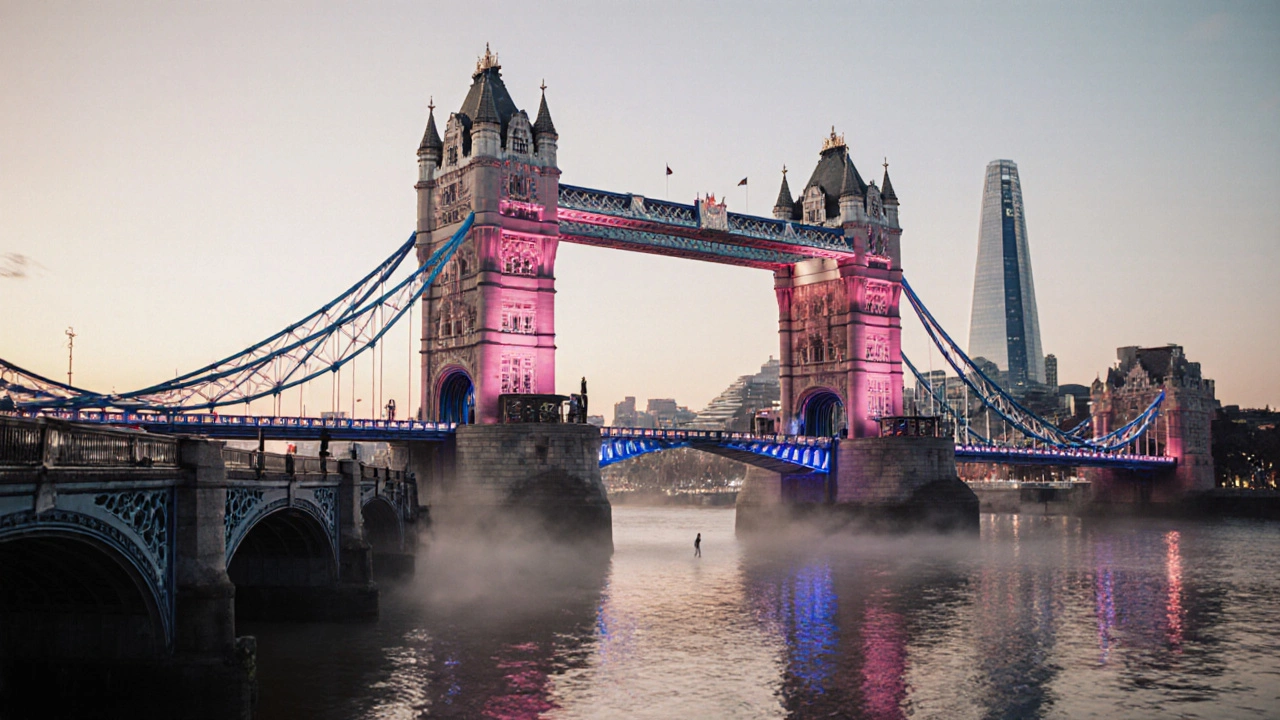
When you think of London, one structure rises above the rest—the Tower Bridge, a combined bascule and suspension bridge over the River Thames, built in 1894 to handle growing traffic while letting tall ships pass. Also known as London’s Floating Bridge, it’s not just a landmark—it’s a working machine that still lifts over 800 times a year. Unlike the static stone arches of Westminster Bridge or the modern glass of Millennium Bridge, Tower Bridge was designed to move. Its twin towers and hydraulic system were engineering magic for their time, and they still work today without modern computers. This isn’t a museum piece. It’s a living part of London’s rhythm.
Behind every lift is a story. The bridge was built because the city’s docks were booming, and old bridges blocked the way for sailing ships carrying tea, spices, and wool. Engineers couldn’t just build a higher bridge—ships needed clearance. So they invented a solution: two massive bascules that could rise like a drawbridge, but with precision. The original steam engines that powered the lifts are now on display inside the towers, a reminder that this wasn’t just about looks—it was about function. And it worked. Even during the Blitz, Tower Bridge kept running. Bombs shattered nearby buildings, but the bridge stayed open. That resilience made it a symbol, not just a crossing.
Today, the Thames River, the lifeblood of London since Roman times, flowing through the heart of the city and shaping its trade, defense, and culture still carries boats under Tower Bridge, but now they’re tourist cruisers and private yachts instead of cargo ships. The London urban design, the way the city’s streets, bridges, and public spaces are planned to balance history with modern needs still revolves around this bridge. Walkways between the towers offer views of the City skyline, and the glass floor lets you look straight down at the traffic below. Locals don’t just pass through—they pause. Tourists take photos. Couples sit on benches nearby, watching the bridge rise like a slow dance.
And it’s not just about the bridge itself. It’s tied to the Tower of London, the historic fortress just upstream, where kings were imprisoned, treasures were stored, and executions took place. The bridge was named for it—not the other way around. That connection turns a simple crossing into a thread linking centuries: from medieval dungeons to modern nightlife, from royal power to public access. You can’t understand London’s skyline without understanding this link.
What you’ll find below aren’t just articles about Tower Bridge. They’re stories about how it fits into the city’s soul. From how it changed traffic patterns to why it’s still a top date spot at sunset, from its role in London’s tourism boom to how it compares to other Thames crossings. You’ll see how it’s more than steel and stone—it’s a stage, a symbol, and a silent witness to everything London has been and still is.