Architectural Heritage in London: Historic Sites, Hidden Stories, and Modern Relevance
When you walk past architectural heritage, the physical remnants of past civilizations that still stand and shape today’s cities. Also known as built heritage, it’s not just old buildings—it’s the silent storytellers of who we were and how we lived. In London, this isn’t just about tourist spots. It’s in the cracks of Roman roads under modern pavements, the ironwork of 19th-century bridges still lifting for river traffic, and the quiet courtyards where Victorian workers once gathered. These aren’t museum pieces. They’re living parts of the city’s rhythm.
London’s Roman Britain ruins, the physical traces of the Roman Empire’s presence in what is now the UK aren’t buried deep—they’re right under your feet. Walk through St Albans or peek at the London Wall near the Tower, and you’re standing where soldiers once patrolled. Then there’s the Victorian architecture, the ornate, industrial-era buildings that defined London’s expansion during the 1800s: grand train stations, gaslit lamp posts, and brick terraces that still house families today. These weren’t built to impress tourists. They were built to solve real problems—housing crowds, moving goods, connecting a city that was growing faster than ever.
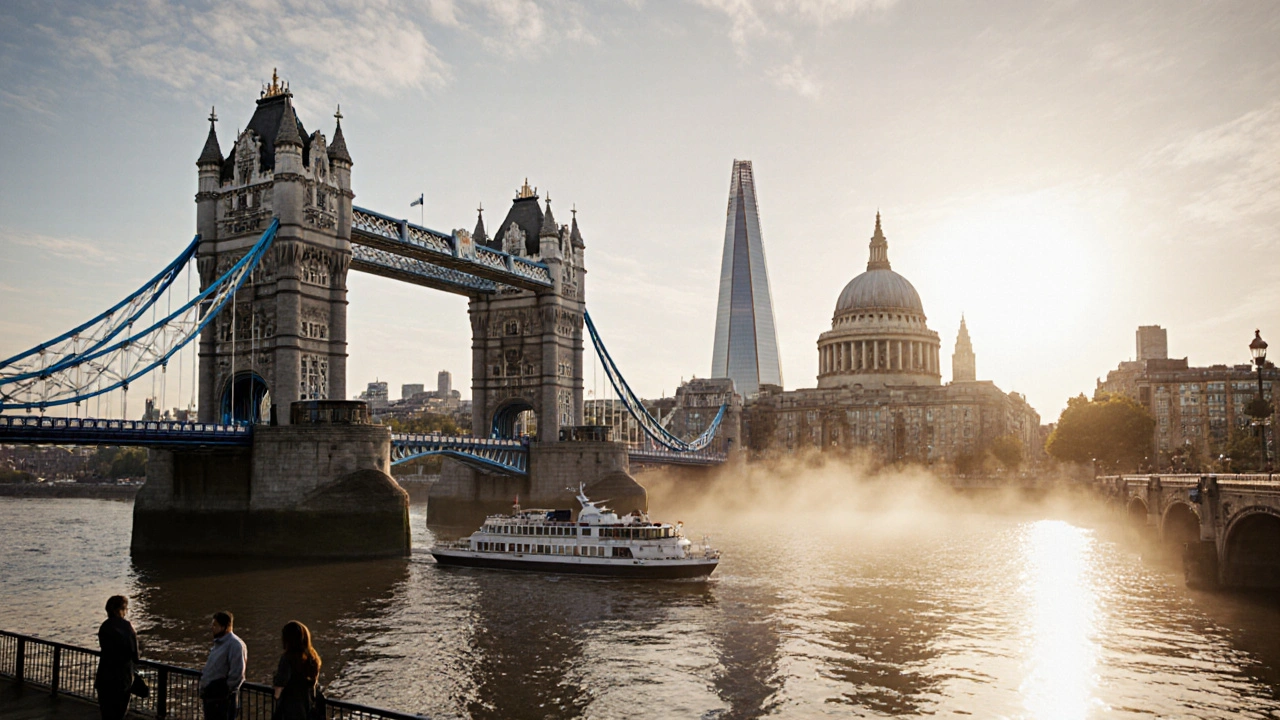
And here’s what most people miss: architectural heritage isn’t just about looking. It’s about feeling. The way Big Ben’s chime echoes through fog, the way Tower Bridge’s gears still creak as they lift ships, the way the British Museum’s columns hold centuries of human stories under one roof. These aren’t just landmarks—they’re anchors. They remind us that cities don’t start from scratch. Every new café, every glass tower, every subway line sits on top of something older, something built with sweat, skill, and sometimes, sheer stubbornness.
That’s why the posts below aren’t just lists of places. They’re real experiences—walking the same paths Romans did near Hadrian’s Wall, standing where Tudor courtiers once strolled, or seeing how AR brings plague streets back to life. You’ll find guides to quiet corners of the city where history isn’t shouted—it’s whispered. You’ll learn how to visit Buckingham Palace without the crowd, why a sunset view from Primrose Hill connects to a 17th-century garden design, and how a single bridge like Tower Bridge still works exactly as it did in 1894. This isn’t about ticking boxes. It’s about understanding how the city breathes because of what came before.