Private Tours and Local Cuisine: A Recipe for Adventure
Want to taste a city like a local? Private tours paired with regional food aren’t just a travel trend-they’re the most reliable way to uncover the soul of a place. Forget crowded group excursions and tourist traps. The real flavor comes from quiet alleys, family-run kitchens, and guides who know where the locals line up for breakfast.
Why Private Tours Change Everything
Group tours move fast. They hit five landmarks in six hours, and lunch is always at the same chain restaurant. Private tours flip that script. You set the pace. You choose what to see-and more importantly, what to eat.
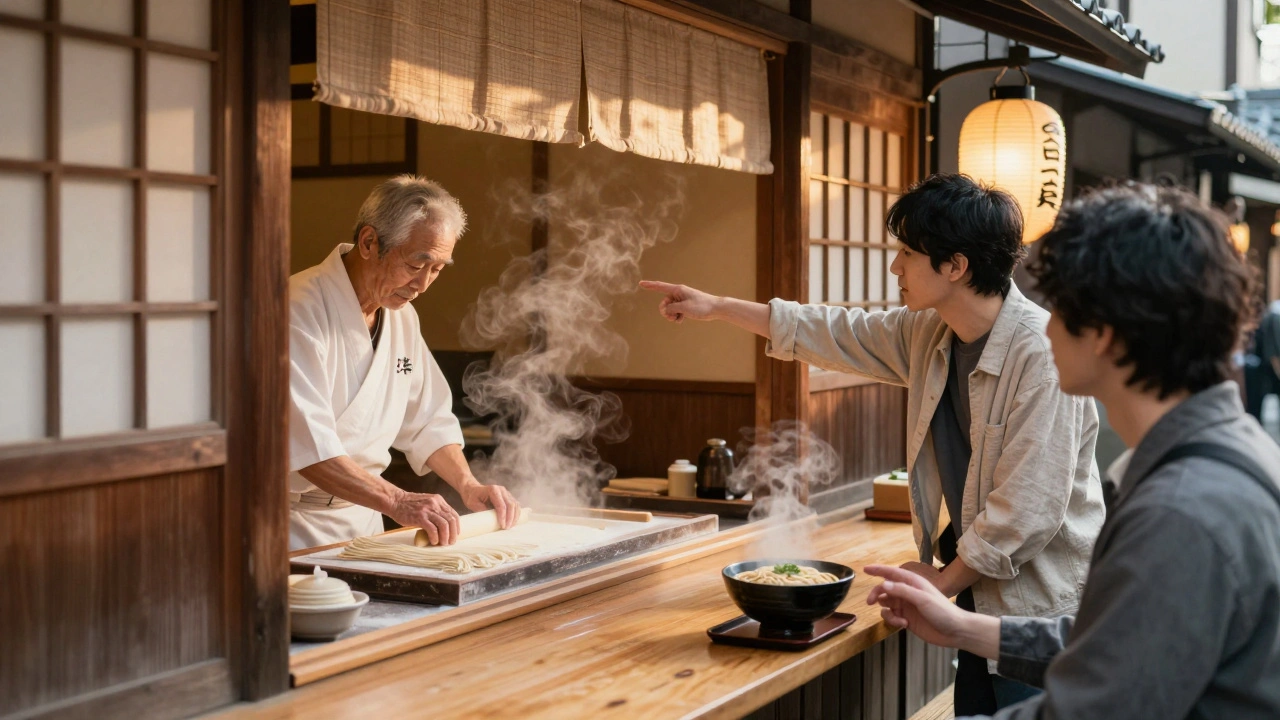
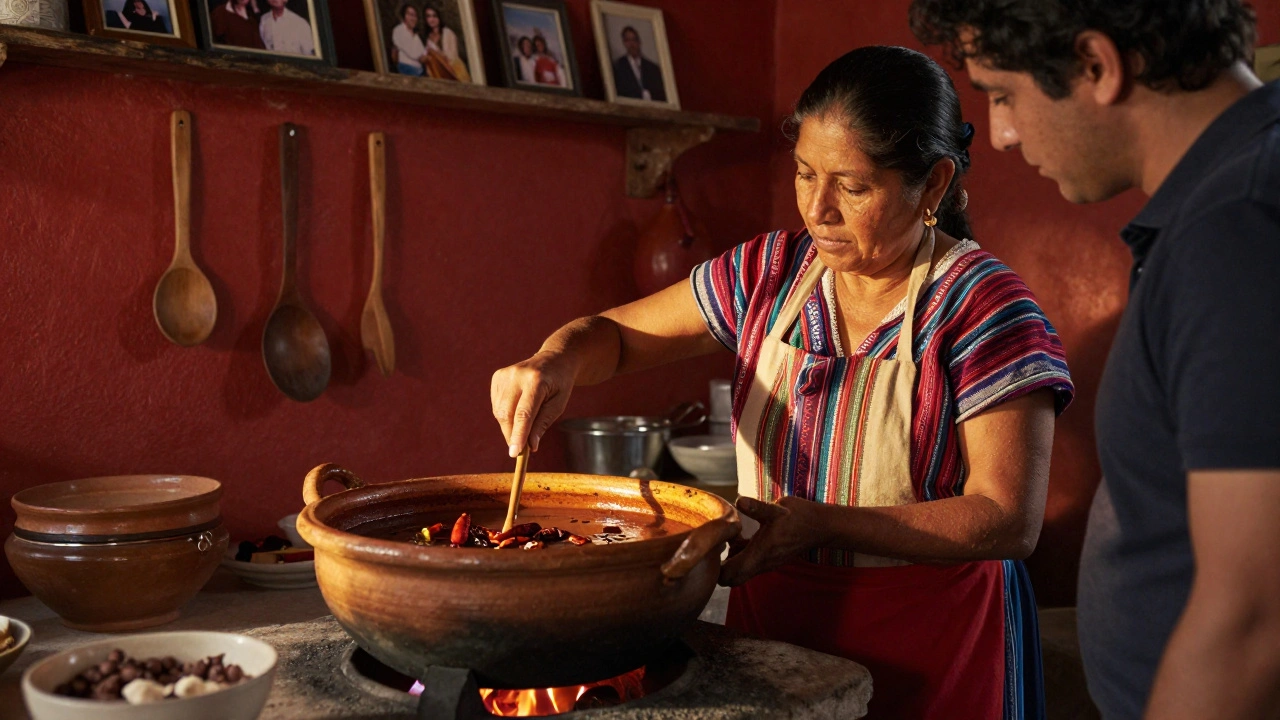
In Kyoto, a private guide might take you to a 200-year-old soba shop tucked behind a temple, where the noodles are made fresh every morning. In Oaxaca, your guide could be the daughter of a mole maker who lets you stir the pot while explaining how 17 ingredients come together. These aren’t curated experiences. They’re lived-in moments.
A 2024 study by the World Tourism Organization found that travelers on private food-focused tours spent 47% longer in each location and were 3.2 times more likely to return. Why? Because they didn’t just see a place-they tasted its history.
How to Pick the Right Food-Focused Private Tour
Not all private tours are created equal. Some are just fancy walks with a snack stop. Here’s how to spot the real deal.
- Check if the guide is a local-not just someone who speaks the language. Ask if they grew up in the neighborhood you’ll visit.
- Look for tours that include home kitchens or market stalls, not just restaurants with English menus.
- Ask what’s *not* on the menu. The best tours leave room for surprise: a spontaneous stop at a street cart, a family’s recipe demo, or a late-night dessert you didn’t even know existed.
In Lisbon, a top-rated tour doesn’t just serve pastéis de nata. It takes you to a bakery where the owner’s grandmother taught her the recipe in 1953. The tour ends with you eating warm custard tarts straight from the oven, while she tells you why sugar is added last.
What Makes Local Cuisine Authentic?
Authentic doesn’t mean “old.” It means rooted. It’s about ingredients sourced within 50 miles, methods passed down through generations, and meals that fit into daily life-not just photo ops.
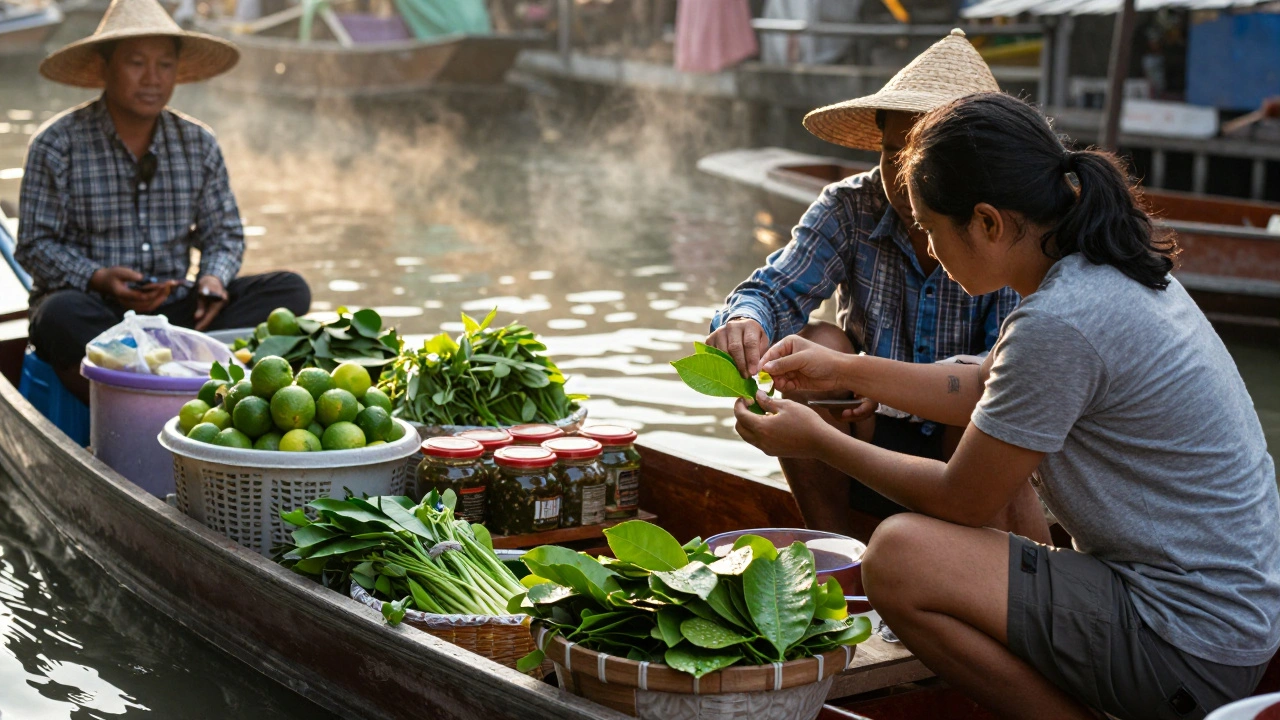
In Bangkok, street food isn’t a tourist attraction-it’s how people eat. A private tour might include a 6 a.m. visit to a floating market where vendors sell fresh herbs from their boats. You’ll learn why kaffir lime leaves are bruised, not chopped, and how fish sauce from the Mekong Delta tastes different from the kind sold in supermarkets.
Real authenticity shows up in small details: the way bread is wrapped in banana leaves in Bali, the fact that in Sicily, arancini are never round-they’re oval because that’s how nonna rolled them. These aren’t gimmicks. They’re cultural fingerprints.
Where to Find the Best Food Tours in 2026
Top destinations for private food tours in 2026 aren’t just the usual suspects.
- Valencia, Spain: Known for paella, but the best version is made with rabbit and snails, not chicken. Local guides take you to rice fields outside the city to meet the farmers who grow the bomba rice.
- Hanoi, Vietnam: Skip the pho stalls near Hoan Kiem Lake. A private tour leads you to a 70-year-old vendor who serves pho with a side of stories-how she learned to simmer broth for 18 hours after her mother passed away.
- Chiapas, Mexico: Not just tacos. Tourists rarely go here, but the region’s chocolate-making tradition dates back to the Maya. A guide might take you to a cacao farm, where you’ll roast beans over wood fire and learn why vanilla is added before fermentation.
Platforms like Withlocals a platform connecting travelers with local hosts for immersive experiences and Food Tour Finder a curated directory of private culinary experiences worldwide now list verified guides with verified reviews. Look for tours with at least 50 reviews and photos of actual meals-not stock images.
What to Expect on Your First Food Tour
On a well-designed private food tour, you won’t just eat. You’ll participate.
- You’ll start with a local coffee or tea, not a bottled drink.
- You’ll be asked to try something unusual-maybe fermented fish paste in Cambodia or smoked cheese in the Alps.
- You’ll meet the person who made it. Not a server. The maker.
- You’ll leave with a recipe, not just a photo.
- You’ll realize you’ve eaten more in three hours than you did on your last three trips.
In Naples, one tour includes a 90-minute session kneading pizza dough with a nonna who’s been doing it since she was 12. You don’t just learn how to stretch it-you learn why the dough must rest in a warm corner, not a fridge. That’s knowledge you can’t Google.
Costs and What You’re Really Paying For
Private food tours range from $80 to $250 per person. That’s more than a group tour, but here’s what you’re buying:
| What’s Included | Group Tour Average | Private Tour Average |
|---|---|---|
| Number of food stops | 3-4 | 5-8 |
| Time per stop | 10-15 minutes | 30-60 minutes |
| Access to private homes or kitchens | None | Yes |
| Recipe handouts | No | Yes |
| Guide’s local knowledge | Basic | Deep, personal stories |
| Group size | 10-20 people | 1-6 people |
The price difference isn’t about fancy plates. It’s about depth. A private tour gives you time to ask why, to linger, to taste again. It’s not a meal. It’s a conversation.
How to Prepare for Your Tour
Don’t show up hungry and clueless. Here’s how to get the most out of it.
- Wear comfortable shoes. You’ll walk more than you think.
- Bring a small bag. You might get a jar of spice, a handmade chocolate, or fresh herbs to take home.
- Ask the guide ahead of time: “What’s one thing most visitors miss?” That question alone can lead to your favorite bite.
- Don’t be afraid to say no. If you’re not into offal or fermented foods, say so. Good guides adapt.
In Istanbul, one traveler refused to try liver kebab. The guide didn’t push. Instead, she took them to a hidden tea house where they drank saffron-infused tea with rose petal jam-something no guidebook mentions.
Why This Matters Beyond the Meal
Food isn’t just fuel. It’s identity. When you eat with a local, you’re not just tasting flavor-you’re connecting with memory, migration, tradition, and resilience.
A tour in Georgia might include a meal where you toast with homemade wine while the host explains how his family survived war by preserving grapevines. In Morocco, you might sit on a rug while a woman teaches you how to shape couscous by hand, telling you how she learned from her mother, who learned from her grandmother.
These moments don’t show up on Instagram. But they stay with you. They change how you see the world. And they turn a vacation into something deeper: a story you carry home.
Final Thought: Taste Like a Local, Not a Tourist
The best travel doesn’t ask, “What did I see?” It asks, “What did I taste?”
Private tours with local cuisine aren’t luxury experiences. They’re the most honest way to travel. You don’t need to visit every landmark. You just need to find one kitchen, one person, and one bite that tells you who they are.
Book your next tour not to check off a list-but to taste a life you’ve never lived.
Are private food tours worth the cost?
Yes-if you value depth over speed. A private tour costs more than a group tour, but you get 2-3 times more food, deeper access, and personal stories you won’t find anywhere else. Most travelers say it’s the most memorable part of their trip.
Can I do a private food tour if I have dietary restrictions?
Absolutely. Reputable tour operators ask about allergies and preferences when you book. Many even customize menus ahead of time. Just be clear when you reserve-don’t wait until you arrive.
How far in advance should I book a private food tour?
Book at least 3-4 weeks ahead, especially for popular cities like Tokyo, Rome, or Oaxaca. Some guides only run tours once a week, and slots fill fast. For off-the-beaten-path destinations, book even earlier-some require local coordination.
Do I need to speak the local language?
No. Most private food tour guides speak English fluently. But if you’re curious, ask if the guide can teach you a few phrases. Many will happily share words like “delicious” or “thank you” in the local tongue-it adds to the experience.
Can I take a private food tour with kids?
Yes, but choose wisely. Some tours are adult-focused, with alcohol or late hours. Look for operators that offer family-friendly options. In cities like Barcelona or Bangkok, there are tours designed specifically for kids-think ice cream tasting, dumpling-making, or chocolate workshops.
Next time you plan a trip, skip the guidebook. Find a local. Sit down. Taste. You’ll remember the meal long after you forget the name of the museum.