Night Club London - Why It’s World-Class
London doesn’t just have nightclubs-it has nightclubs that draw people from across the globe. If you’ve ever wondered why London’s club scene is ranked among the best in the world, the answer isn’t just about music or drinks. It’s about decades of cultural fusion, fearless innovation, and an unmatched energy that pulses through every corner of the city after dark.
London’s Nightlife Isn’t Just a Scene-It’s a Movement
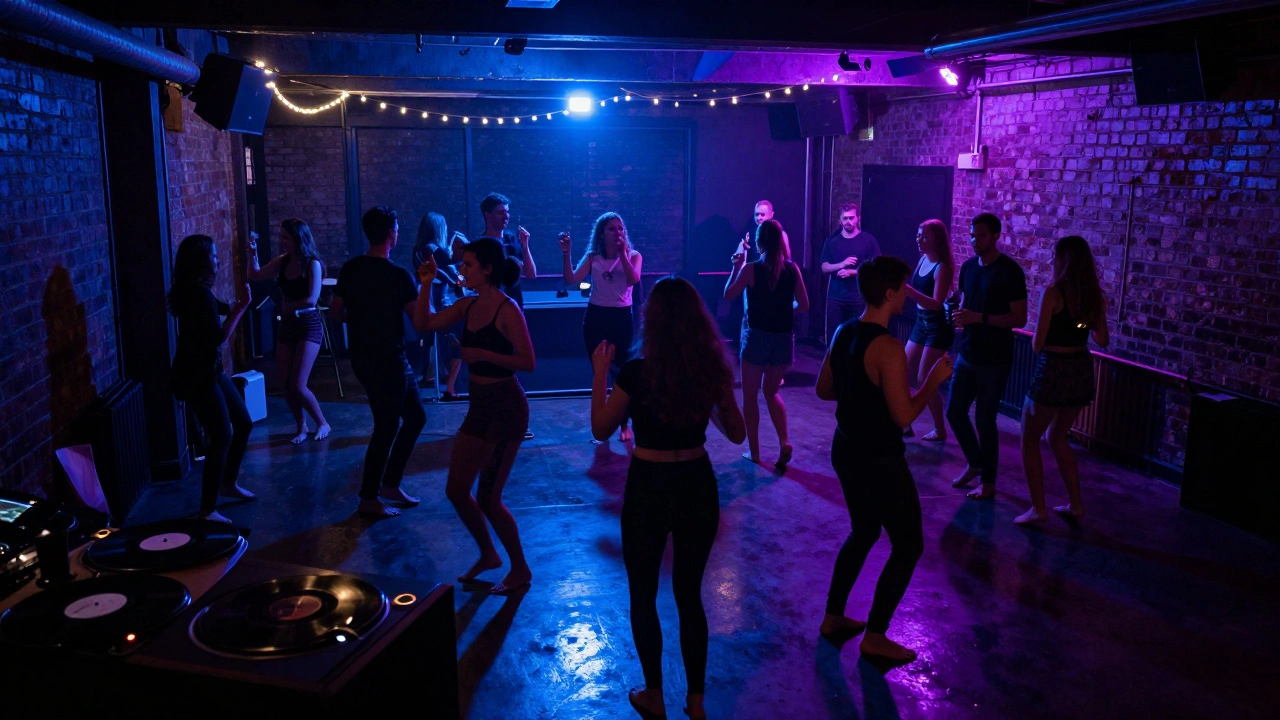
London’s club culture didn’t start with a single venue. It began in the 1980s, when underground parties in abandoned warehouses turned into full-blown movements. Acid House, garage, drum and bass, grime, and UK funky all found their first real homes here. Today, those sounds still live-not as relics, but as living traditions.
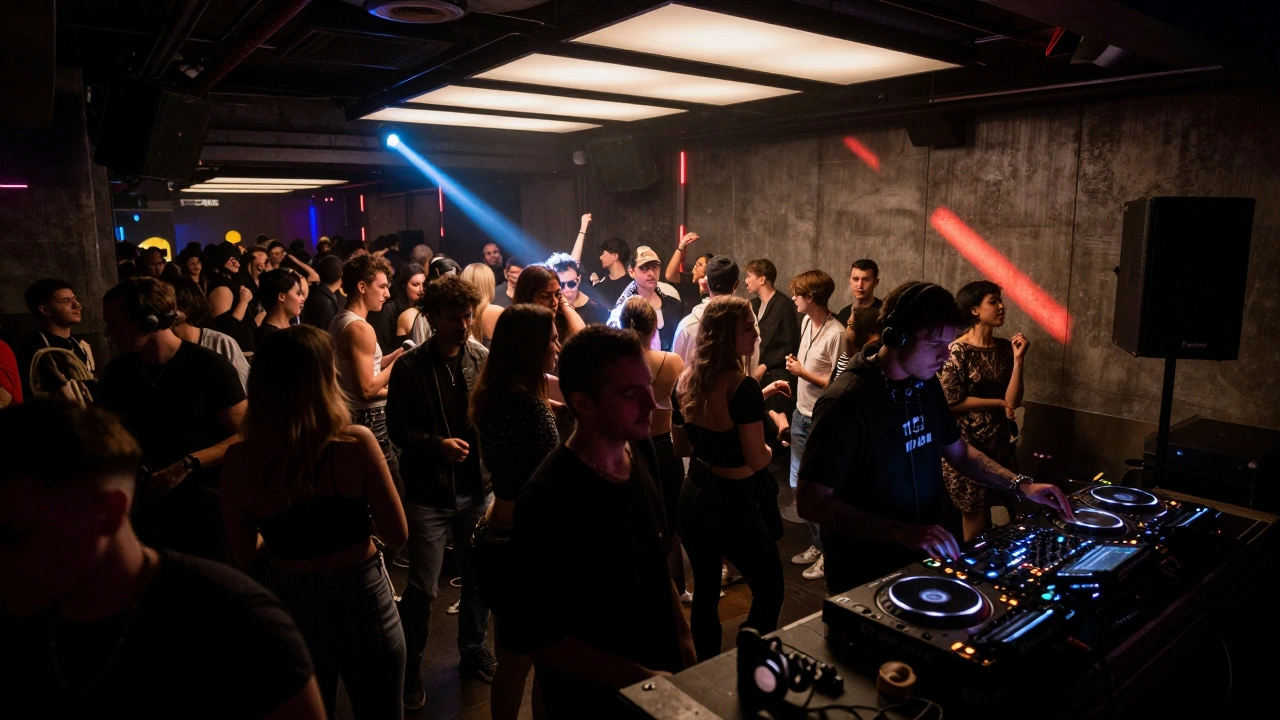
Unlike cities that chase trends, London builds them. You can walk into a basement in Shoreditch and hear a live techno set from a producer who just dropped their first EP. Ten minutes later, you’re in a West End venue where a global superstar is testing new material before a world tour. This isn’t luck. It’s infrastructure.
The Diversity That Makes It Unbeatable
There’s no single "London club." There are dozens-each with its own DNA.
- Fabric in Farringdon is a global pilgrimage site for techno heads. It’s been named the #1 club in the world by DJ Mag three times. Its sound system? Custom-built. Its door policy? Strict. Its reputation? Untouchable.
- The Box in Soho isn’t just a club-it’s a theatrical experience. Think burlesque, cabaret, and live performance fused with electronic beats. It’s not for everyone. But if you’ve been once, you’ll remember it forever.
- Printworks, housed in a converted 1970s printing plant in Rotherhithe, opened in 2018 and instantly became Europe’s largest nightclub. Its 10,000-square-foot space holds 3,000 people. The bass doesn’t just shake the floor-it vibrates your ribs.
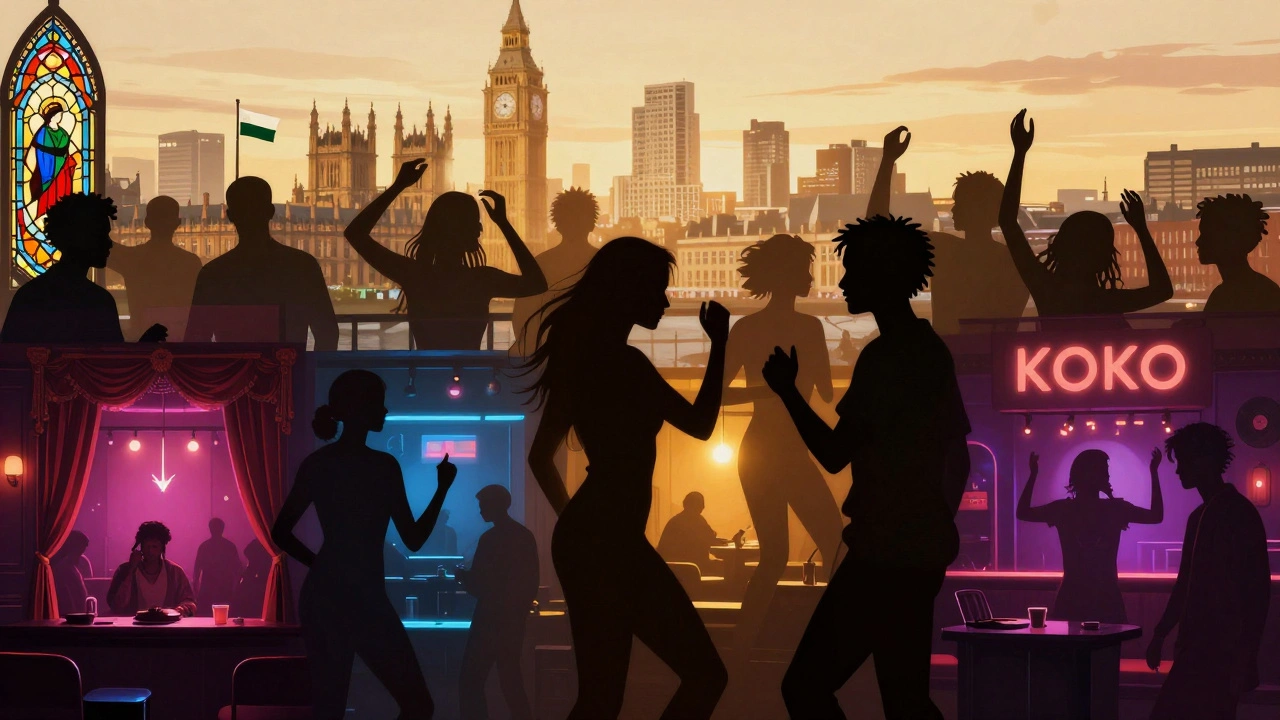
- KOKO in Camden blends history with innovation. Once a Victorian music hall, it now hosts everything from indie rock nights to underground rave pop-ups. The ceiling still has original stained glass.
These aren’t outliers. They’re examples. London has over 120 licensed nightclubs, and more than 70% of them host live DJs or live acts every week. That’s more than New York, Tokyo, or Berlin combined.
It’s Not Just About the Music
What sets London apart isn’t just the sound. It’s the people.
London’s clubs are run by locals who grew up in this city. They didn’t go to business school. They learned from watching DJs, working behind bars, and staying up until 5 a.m. for years. Many started as volunteers at free parties in parks. Now they run venues that make millions.
And the crowd? It’s the most diverse in the world. You’ll find students from Lagos, artists from Seoul, entrepreneurs from Stockholm, and retirees from Manchester-all dancing side by side. There’s no dress code that says "no black people," "no Asians," or "no queers." London’s clubs don’t police identity. They celebrate it.
That’s why 62% of visitors to London’s clubs come from outside the UK, according to the London Nighttime Economy Forum. And 89% of them say they’d return.
The Rules Are Different Here
London doesn’t have the same rules as other cities.
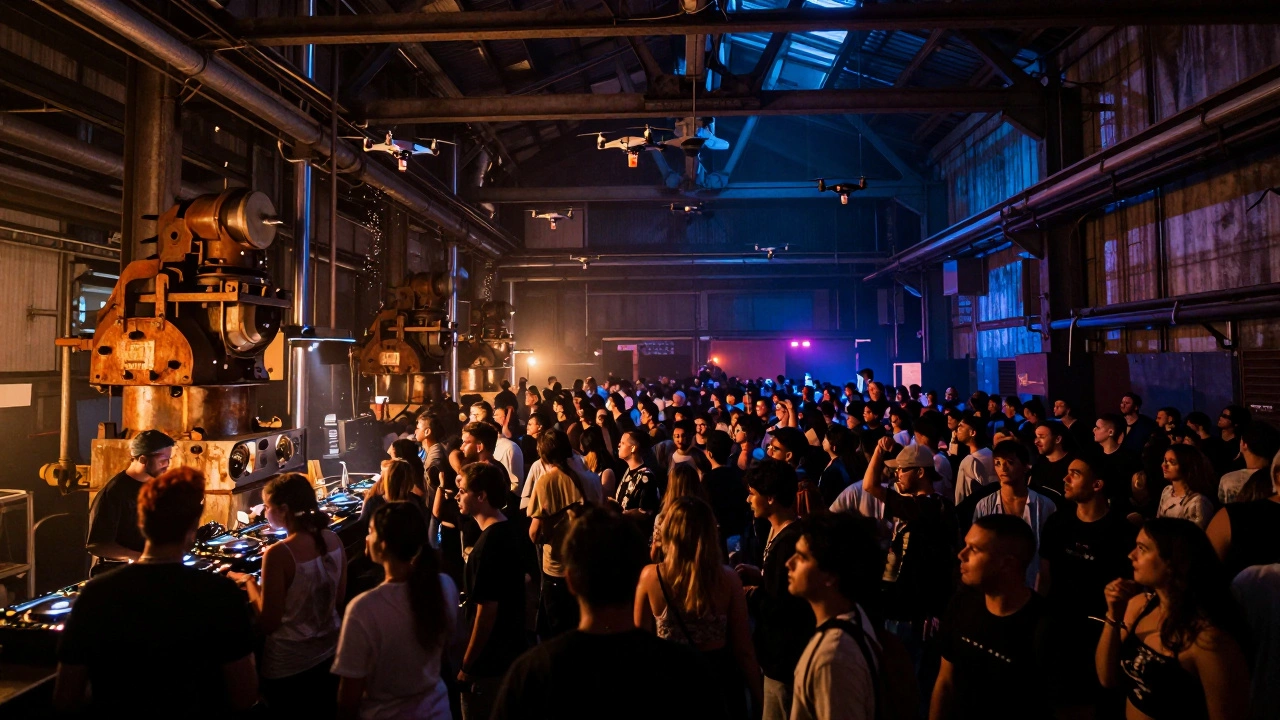
In New York, clubs close at 4 a.m. In Paris, they shut down by 3 a.m. In London? Many stay open until 6 a.m. on weekends. Some, like Fabric and Printworks, have licenses to run until 7 a.m. That’s not a loophole-it’s policy. The city actively supports a 24-hour culture because it knows nightlife drives billions in revenue.
And the licensing system? It’s complex, but fair. Every club must submit a detailed safety plan, noise control strategy, and community impact report. That’s why you won’t find a single nightclub in London that’s just a loud, chaotic mess. They’re engineered for safety, sound, and sustainability.
Technology That Keeps It Ahead
London’s clubs don’t rely on neon lights and smoke machines. They use real tech.
- Most venues use AI-powered sound systems that adjust acoustics in real time based on crowd density.
- Entry is often cashless, using biometric wristbands or app-based check-ins to cut lines by 70%.
- Some clubs, like XOYO in Hoxton, use motion sensors to control lighting and visuals synced to the beat.
- Drone delivery of drinks is being tested at three venues-yes, really.
This isn’t gimmickry. It’s efficiency. London’s clubs are businesses, not just parties. They track foot traffic, drink sales, and even how long people stay on the dance floor. That data helps them book the right acts, manage staffing, and keep the energy high.
The Proof Is in the Numbers
Let’s get concrete.
| Metric | Value |
|---|---|
| Total licensed nightclubs | 123 |
| Annual economic contribution | £2.1 billion |
| Jobs supported | 42,000 |
| Foreign visitors to clubs | 62% |
| Clubs open past 6 a.m. | 18 |
| Clubs with live DJ sets 7 nights/week | 89 |
| Clubs ranked in top 100 worldwide (DJ Mag) | 14 |
That’s not a small scene. That’s a global powerhouse. No other city has 14 clubs in DJ Mag’s top 100. No other city has a club like Printworks-bigger than most stadiums. No other city has a government that invests £40 million a year into nightlife infrastructure.
Why It Still Feels Alive
Some cities have perfect clubs. London has perfect chaos.
It’s the guy who turns up at 2 a.m. with a suitcase full of vinyl and starts playing 1990s jungle records no one else remembers. It’s the girl in the corner who’s been coming to Fabric since she was 16 and now runs her own label. It’s the sound engineer who tweaks the EQ on a 3 a.m. track because he knows the crowd needs one more beat.
London’s clubs aren’t curated for tourists. They’re built by locals-for locals. And that’s why they’re world-class.
What’s the best night club in London for techno?
Fabric in Farringdon is the most respected techno venue in the world. It’s been named #1 by DJ Mag multiple times. The sound system is custom-built, the lineup is always cutting-edge, and the crowd is serious about the music. If you’re into techno, this is your cathedral.
Are London nightclubs expensive?
It depends. Entry fees range from £5 to £25, depending on the venue and event. Drinks cost £8-£12 for a standard cocktail. But many clubs offer free entry before midnight or for women. The key is timing-arrive early, check social media for promo codes, and skip the tourist traps in Soho.
Do I need to dress up to go to a London club?
Not anymore. Most clubs have relaxed dress codes. Smart casual is fine. No need for suits or heels. The only exception is high-end venues like The Box or The Nest, which sometimes ask for a stylish look. But even there, comfort matters more than luxury.
Can I go to a London club alone?
Absolutely. London’s clubs are some of the most solo-friendly in the world. Many people go alone. Staff are trained to make newcomers feel welcome. If you’re nervous, try smaller venues like The Windmill in Brixton or The Waiting Room in Peckham. They’re known for their chill, inclusive vibe.
What time do London clubs get busy?
Most clubs don’t heat up until after midnight. The real energy starts between 1 a.m. and 3 a.m. That’s when the main DJs play and the crowd fully arrives. Arriving before 11 p.m. means you’ll be waiting. Arriving after 2 a.m. means you might miss the peak.
If you’ve never experienced a London club at 3 a.m.-when the bass drops just right and the whole room moves as one-you haven’t felt nightlife. It’s not just a party. It’s a heartbeat. And London’s is the loudest in the world.