Must-See Landmarks: The Ultimate Bucket List for Adventurers in London
London isn’t just a city with landmarks-it’s a living museum where every alley, bridge, and square tells a story. If you’ve ever stood on Tower Bridge as the steamboats pass beneath, or watched the Changing of the Guard at Buckingham Palace with a cup of tea in hand, you know these aren’t just postcard spots. They’re experiences that stick with you. For adventurers-whether you’re a Londoner who’s never left the M25 or a visitor planning your first trip-this is the real bucket list. Not the tourist traps, but the places that make you feel like you’ve stepped into something bigger.
Big Ben and the Houses of Parliament: More Than a Clock Tower
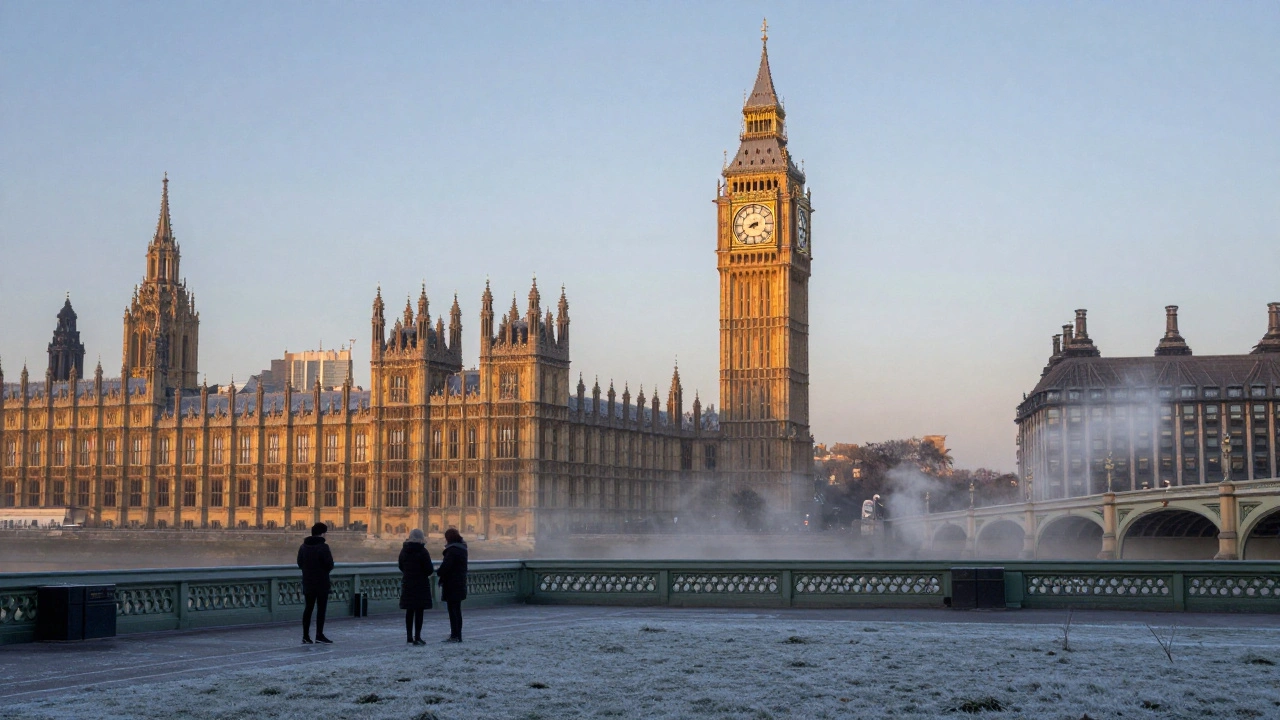
Most people snap a photo of Big Ben and move on. But if you’ve ever waited for the chimes at dawn on a frosty January morning near Victoria Tower Gardens, you know it’s not just a clock. The Elizabeth Tower, as it’s officially called, strikes the note every 15 minutes, and its bell, Big Ben, weighs 13.5 tons. It’s been ticking since 1859, surviving bombs in WWII and decades of political chaos. For adventurers, the real thrill isn’t the view from the outside-it’s the chance to book a guided tour through the Houses of Parliament. You’ll walk the same corridors as MPs, see the House of Commons chamber where debates still erupt over tea and Brexit, and hear the echo of Churchill’s speeches in the wood-paneled halls. Tours sell out fast, so book through the UK Parliament website months ahead. And if you’re lucky, you might catch a live debate-sometimes the debates turn into shouting matches, and that’s when London feels most alive.
The London Eye: See the City From Above
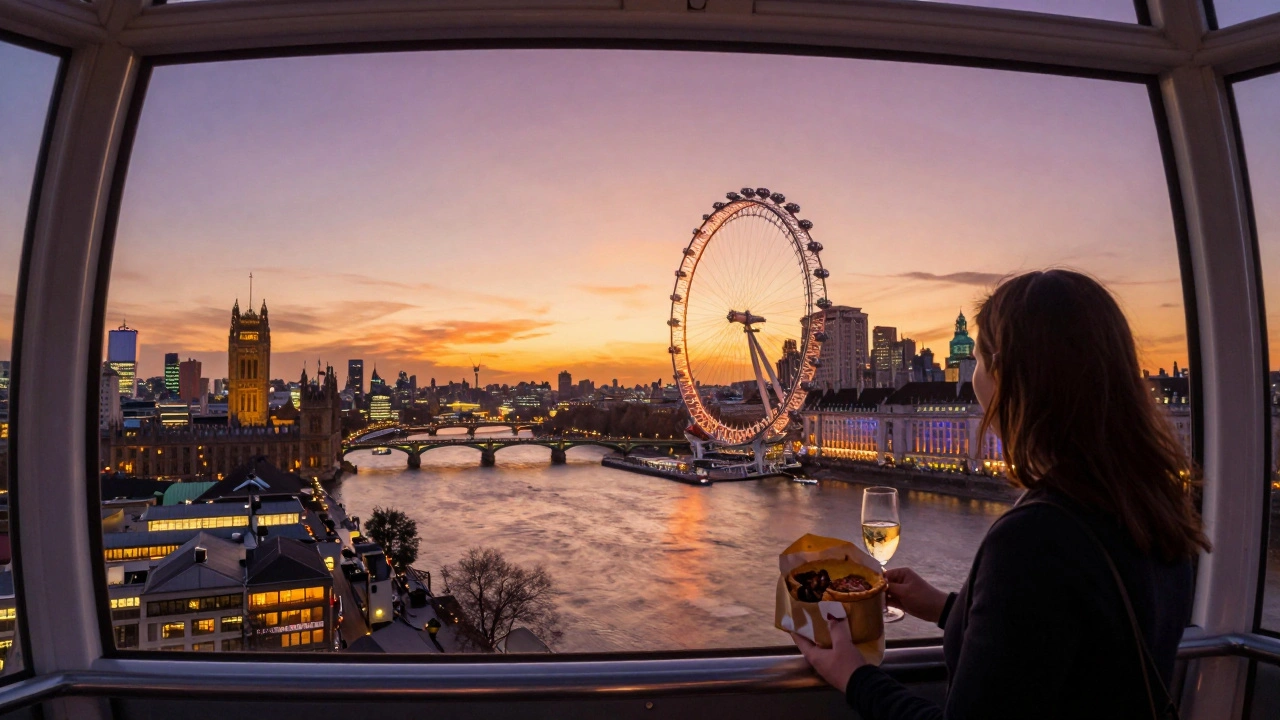
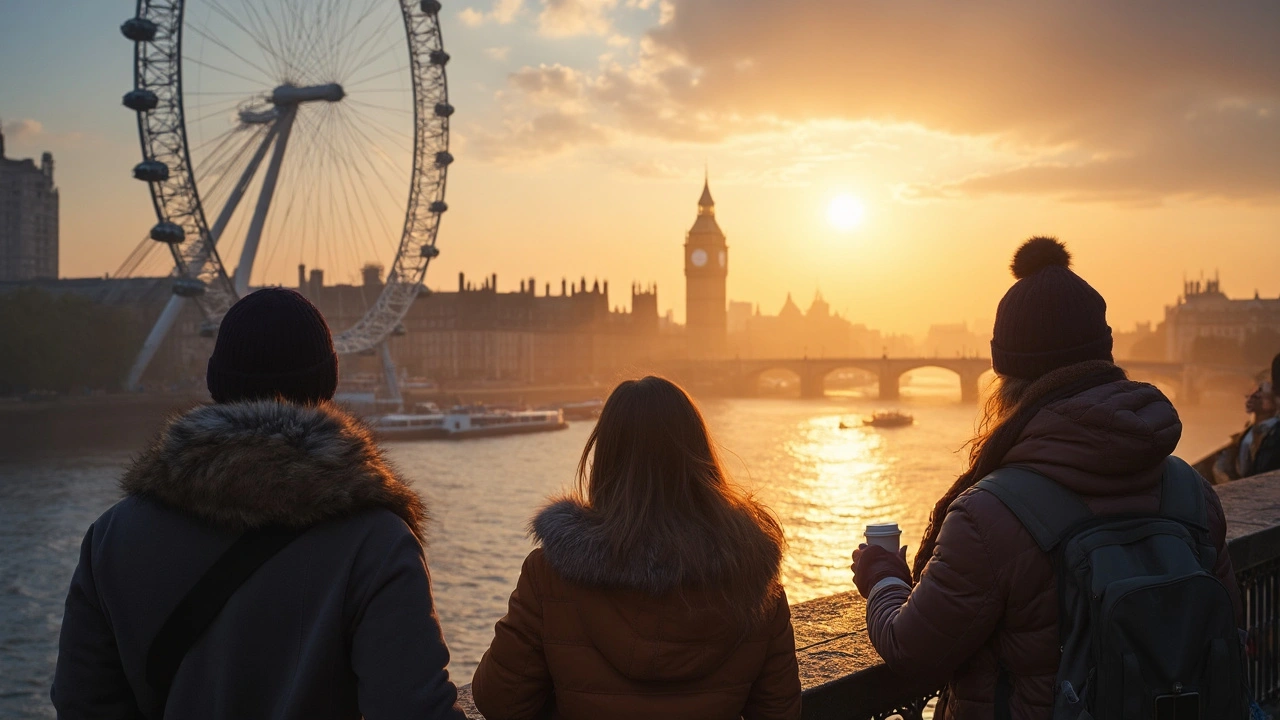
The London Eye isn’t just a Ferris wheel. It’s a slow-motion time machine. At 135 meters tall, it gives you a 360-degree view of the city that changes with the light. At sunrise, the Thames glows gold; at dusk, the city lights flicker on one by one like someone flipping switches across a giant board. But here’s what most tourists don’t know: the capsules are sealed, climate-controlled, and move at walking speed-so you can stand still and take it all in. For the true adventurer, ride at sunset on a clear day, then walk south along the South Bank to Borough Market. Grab a spiced lamb pie from Brixton Village, a glass of English sparkling wine from Chapel Down, and sit on the riverbank as the Eye turns into a glowing ring against the darkening sky. It’s a moment that feels uniquely London: grand, quiet, and deeply human.
Stonehenge: The Ancient Mystery Just Outside the City
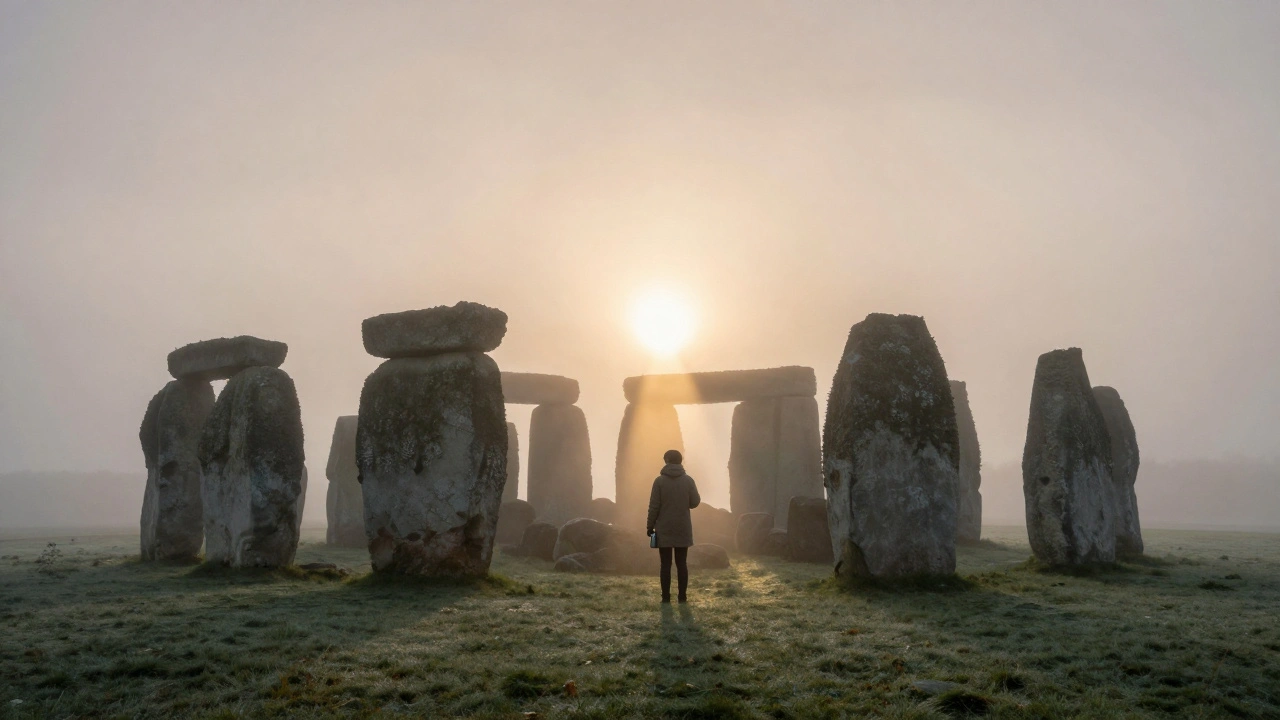
Yes, Stonehenge is two hours from central London. And yes, it’s worth every minute. This isn’t just a pile of rocks-it’s a 5,000-year-old puzzle that still baffles scientists. The bluestones were carried over 200 miles from Wales, likely by Neolithic people using sledges and rollers. On the summer solstice, the sun rises directly over the Heel Stone, casting a beam into the center of the circle. Thousands gather here every June, but for a quieter experience, go in late autumn. The mist rolls over the fields, the stones look like ancient sentinels, and you’ll have the place almost to yourself. Book a guided day tour from Victoria Coach Station-companies like Golden Tours include transport, audio guides, and a stop at Avebury, another stone circle even older than Stonehenge. If you’re driving, take the A303 and stop at the Stonehenge Visitor Centre. The new exhibit on the lives of the builders, based on recent DNA studies, will change how you see prehistoric Britain.
The Tower of London: Blood, Treason, and the Crown Jewels
The Tower of London doesn’t just hold the Crown Jewels-it holds the ghosts of history. Anne Boleyn was beheaded here. Guy Fawkes was tortured in its dungeons. The ravens still live here because, as legend says, if they fly away, the kingdom will fall. For adventurers, the real draw isn’t the jewels (though the Imperial State Crown, set with 2,868 diamonds, is jaw-dropping). It’s the Yeoman Warder tours. These aren’t actors-they’re retired military veterans who’ve served at least 22 years in the armed forces. They tell stories in thick London accents, with dark humor and unflinching detail. One told me how a guard once dropped his keys into the moat during a shift and spent three hours fishing them out with a stick. “We don’t get paid for that,” he said, grinning. Book a Beefeater tour at 10 a.m. sharp-the crowds thin after that. And don’t miss the Wakefield Tower, where the original Crown Jewels were kept before being moved to the Jewel House. The glass cases are bulletproof, but the stories behind them? Those are still raw.
Hadrian’s Wall: Rome’s Edge in Northern England
Most people think of Hadrian’s Wall as a tourist spot in Northumberland. But for those who’ve walked its length-from the Tyne in the east to the Solway Firth in the west-it’s a pilgrimage. Built by Roman soldiers in 122 AD, the wall stretched 73 miles across the British countryside, marking the northern frontier of the empire. Today, you can hike the Hadrian’s Wall Path, a National Trail that winds through moorland, farmland, and ancient forts. Start at Housesteads Roman Fort, where you can still see the latrines, barracks, and a temple to Mithras. The air here is crisp, the silence profound. You’ll pass hikers from Tokyo and Sydney, but also local farmers with their sheepdogs and thermoses of tea. Pack waterproof boots, a packed lunch from a Yorkshire bakery, and a copy of “The Eagle of the Ninth” by Rosemary Sutcliff. It’s not just history-it’s a feeling of standing at the edge of something vast, both in time and space.
The White Cliffs of Dover: Britain’s Gateway
The White Cliffs of Dover aren’t just a symbol-they’re a threshold. For centuries, they’ve welcomed invaders, refugees, soldiers, and travelers. During WWII, soldiers leaving for Dunkirk saw them for the last time. In 1940, Churchill stood here and said, “We shall fight on the beaches.” Today, you can walk the cliff-top path from Shakespeare Cliff to Fan Bay Deep Shelter, a secret WWII gun emplacement carved into the chalk. The views stretch across the English Channel to France-on a clear day, you can see the lights of Calais at night. For adventurers, the best time is early spring, when the wildflowers bloom and the sea is a deep, shifting blue. Bring binoculars. Watch for the puffins and guillemots nesting in the cliffs. And if you’re feeling bold, take the ferry from Dover to Calais and back in one day. It’s a short trip, but it connects you to the very idea of Britain: an island, always looking outward.
Ben Nevis: Britain’s Highest Peak
If you think London is flat, you haven’t climbed Ben Nevis. At 1,345 meters, it’s the tallest mountain in the UK. The hike starts in Fort William, a town that feels like it’s at the end of the world. The path is steep, rocky, and often shrouded in mist-even in summer. But if you make it to the summit on a clear day, you’ll see the entire Scottish Highlands spread out below: lochs like broken mirrors, glens carved by glaciers, and distant peaks that look like the spine of a sleeping dragon. The descent is harder than the climb. Many get caught in sudden storms. Always check the Met Office forecast before you go. Pack thermal layers, a headlamp, and energy bars. And if you’re not ready for the full climb, take the Nevis Range Gondola to the top of Aonach Mòr instead-it’s a 15-minute ride to the same view, without the sweat.
London’s Hidden Landmarks: The Ones No One Talks About
But the real adventure isn’t just in the big names. It’s in the cracks. In London, that means the Roman Wall fragments behind the Museum of London. The eerie, abandoned tube station at Down Street, once used by Churchill during the Blitz. The tiny chapel inside St. Bartholomew-the-Great, where you can still hear the monks’ chants echoing through the arches. The Thames Path between Richmond and Kingston, where you’ll see kingfishers darting over the water and rowers in Oxford blue. These aren’t on any guidebook. But if you wander with curiosity, they’ll find you.
Final Thoughts: Landmarks Are Living
Landmarks aren’t just places you visit. They’re places that visit you. They change your rhythm. They make you pause. They remind you that cities aren’t built of steel and stone-they’re built of stories. Whether you’re standing under the arches of Tower Bridge at midnight, watching the barges drift by, or hiking up Ben Nevis with your breath fogging the air, you’re not just ticking off a list. You’re becoming part of the story. And in London, that story never ends.
Franklin Lopez Silverio
December 28, 2025 AT 11:55Just got back from London last month and this post hit me right in the soul. I did the Tower of London Beefeater tour at 10 a.m. like you said-and wow, the guy told us about a guard who once spent three hours fishing keys out of the moat with a stick. I laughed so hard I cried. That’s the kind of weird, human detail no guidebook ever captures. Also, the sunrise on the London Eye? Pure magic. I brought a thermos of tea and just sat there as the city woke up. Best morning of my life.
Thank you for writing this. It made me want to go back tomorrow.
Hakeem Homes
December 28, 2025 AT 22:26Let’s be real-this is just a glorified tourism brochure dressed up as ‘adventure.’ Big Ben isn’t a ‘living museum,’ it’s a 19th-century clock with a broken chime mechanism that’s been patched with duct tape since 2017. And don’t get me started on the ‘ravens protecting the kingdom’-that’s a PR stunt cooked up by the Crown to keep tourists from asking why the Tower is basically a medieval prison with gift shops. The Crown Jewels? Overrated. The real treasure is the fact that the Queen’s coronation crown has a fake sapphire glued on since 1953. But hey, keep your tea and your postcards, I’ll be over here in the actual history books.
Bernard Mutua
December 29, 2025 AT 14:50Have you considered that Stonehenge was built by extraterrestrials using ancient quantum technology? The bluestones were transported via anti-gravity sleds, and the alignment with the solstice isn’t coincidence-it’s a signal. The UK government has suppressed this for decades. Why? Because they’re hiding the fact that the site is still active. The same DNA studies you mention? They were funded by the same consortium that runs the underground rail network beneath Buckingham Palace. And the ravens? They’re not birds. They’re surveillance drones. I’ve seen the footage. You think the Crown Jewels are in that glass case? No. They’re in Area 51. You’re being manipulated by the establishment. Wake up.
Also, Hadrian’s Wall was built to contain alien refugees. I have the documents.
Seema Donga
December 30, 2025 AT 06:24OMG this is EVERYTHING!!! 🥹💖 I just booked my flight to London for next month because of this!! I’m doing the Tower of London tour at 10 a.m.!! And I’m bringing my own thermos of tea!! And I’m hiking Ben Nevis!! I’ve been dreaming of this since I was 12!! Thank you, thank you, THANK YOU for reminding me that adventure isn’t about ticking boxes-it’s about feeling alive!! I’m gonna cry on the London Eye at sunset and I don’t even care!! 🌅✨ You’re a legend!!
Ty Henley
December 30, 2025 AT 20:52Yeah. Cool. 🤷♂️
Hannah Cranshaw
January 1, 2026 AT 04:15While the post contains several historically accurate references, it conflates popular myth with documented fact. For instance, the claim that Big Ben weighs 13.5 tons is incorrect; the Great Bell is 13.7 tons. The Elizabeth Tower was not officially named until 2012, prior to which it was simply known as the Clock Tower. Furthermore, the assertion that the London Eye moves at walking speed is misleading-its rotational velocity is approximately 0.26 km/h, which is slower than a brisk walk. The post also fails to acknowledge that the White Cliffs of Dover are subject to significant erosion, with an average loss of 1–2 meters per decade. These inaccuracies, while minor, undermine the credibility of the piece as a reliable guide for adventurers seeking authentic historical engagement.
Jasmine Indefenso
January 1, 2026 AT 16:56Down Street station? Really? That’s the hidden gem?
Neil Tejwani
January 2, 2026 AT 23:35Ugh. This is so… basic. Like, I’m sorry, but ‘the Thames Path between Richmond and Kingston’? That’s not an adventure-that’s a Sunday stroll with a dog walker and a yoga instructor holding a ‘Namaste by the Water’ class. And don’t even get me started on ‘Borough Market’-it’s a tourist trap with overpriced artisanal cheese and people taking selfies with truffle oil. Real adventurers don’t go to Stonehenge on a guided tour. They hike it alone at 3 a.m. with a thermos of whiskey and a copy of ‘The Mabinogion.’ And the London Eye? Please. I’ve seen better views from the top of the Shard while smoking a cigarette and listening to Nick Cave. This post reads like a Lonely Planet ad written by someone who’s never left the M25. I’m embarrassed for you.
Keren Ruth
January 4, 2026 AT 17:12YESSSSS I LOVE THIS SO MUCH 😭❤️ I’m gonna take my little sister to see the ravens and we’re gonna eat lamb pie and watch the sunset on the South Bank and I’m gonna cry so hard 😭😭😭 thank you for reminding me that magic is real 💫✨
Rhys Harley
January 5, 2026 AT 20:42One must acknowledge that the elevation of Ben Nevis is precisely 1,345 metres above ordnance datum, as verified by the Ordnance Survey’s 2021 geodetic survey. The reference to the Nevis Range Gondola as a substitute for the ascent is not entirely inappropriate, though it does diminish the traditional ethos of the climb. The metaphysical dimension of the summit, however, remains a matter of personal interpretation. One may, of course, choose to regard it as a symbolic threshold, though such sentimentality is not universally shared among those who have traversed its summit under inclement conditions. The text, while evocative, occasionally privileges romanticism over precision.