Big Ben's Role in British Literature and Storytelling: A London Perspective
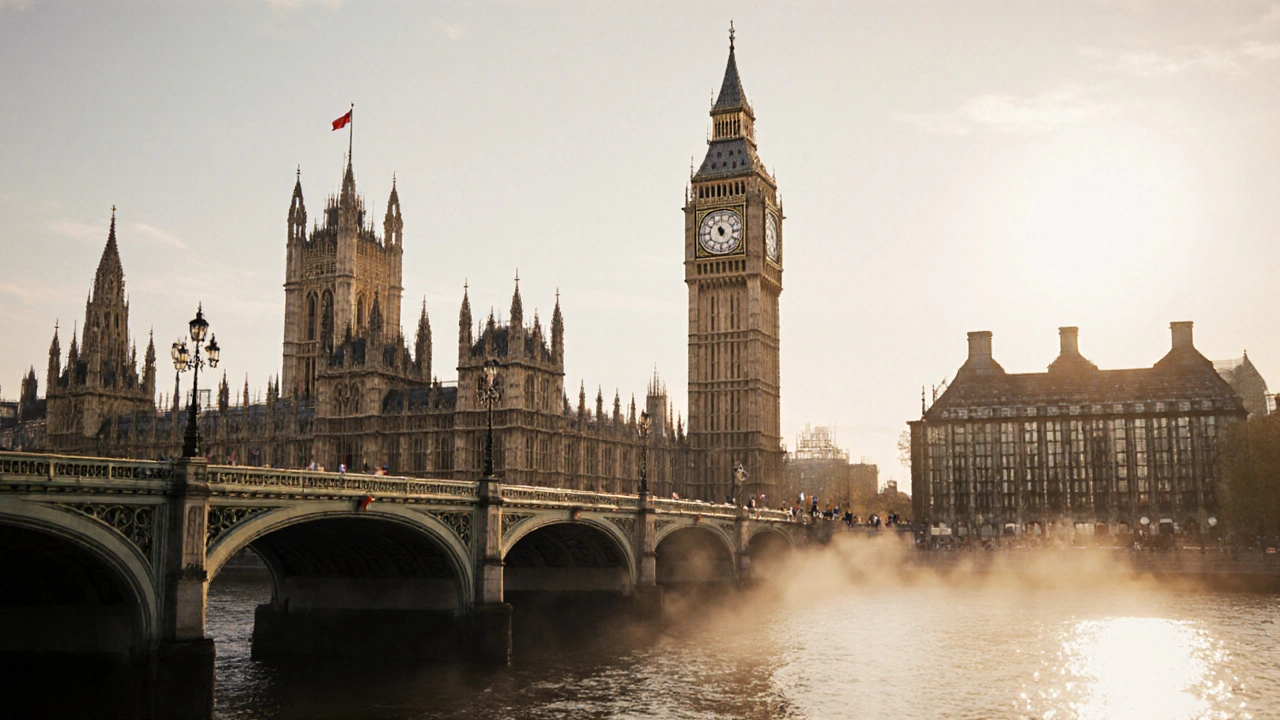
If you have walked down the Embankment in London listening to the hourly chime, you know the clock tower isn't just a building. It is a character. For generations of writers, this Gothic Revival structure served as more than just architecture; it set the rhythm for countless narratives. In London, **Big Ben** is synonymous with order, time, and the weight of history. Yet, beyond the postcards and tourist selfies, the clock holds a special place in British literature. It anchors stories that span from the gas-lit fog of the Victorian era to the bombed-out ruins of the Second World War.
The Real Tower Versus the Literary Giant
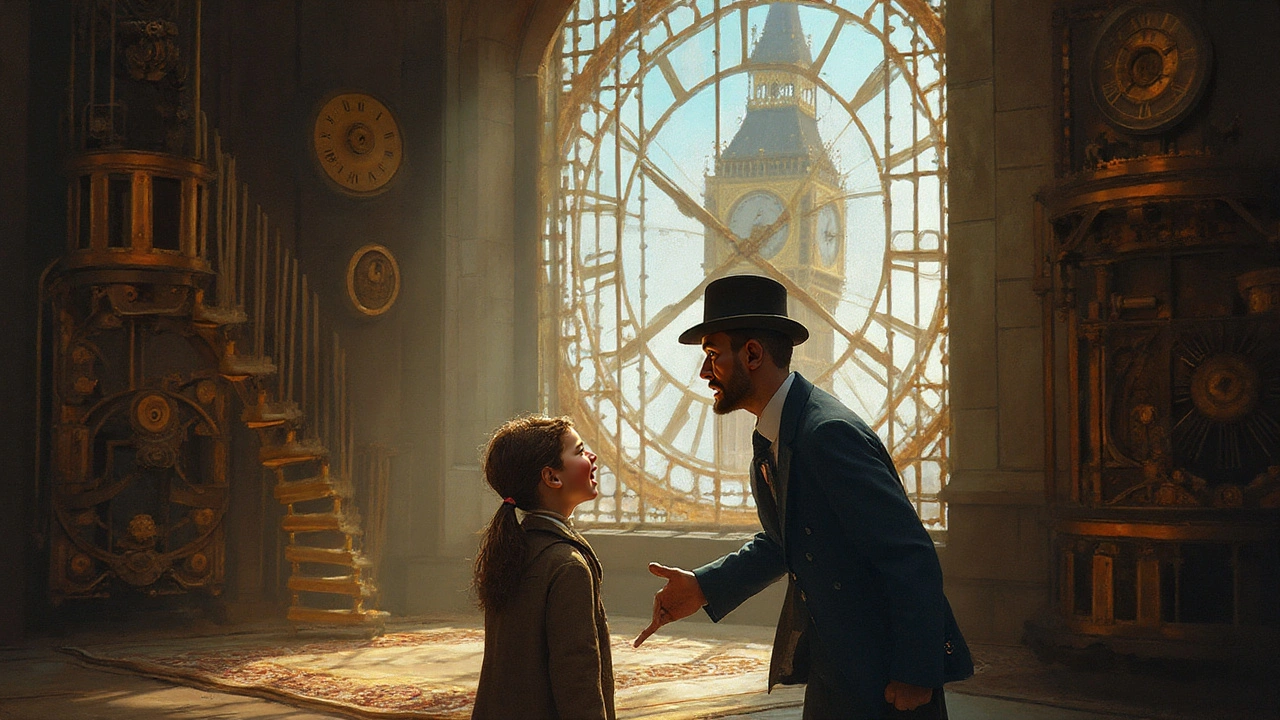
Many people assume the entire tower is named Big Ben, but technically, that is the nickname for the Great Bell inside. The tower itself is officially the Elizabeth Tower. Still, in books and poems, the distinction blurs. Writers treat the whole structure as a singular voice calling out the hour across the capital.
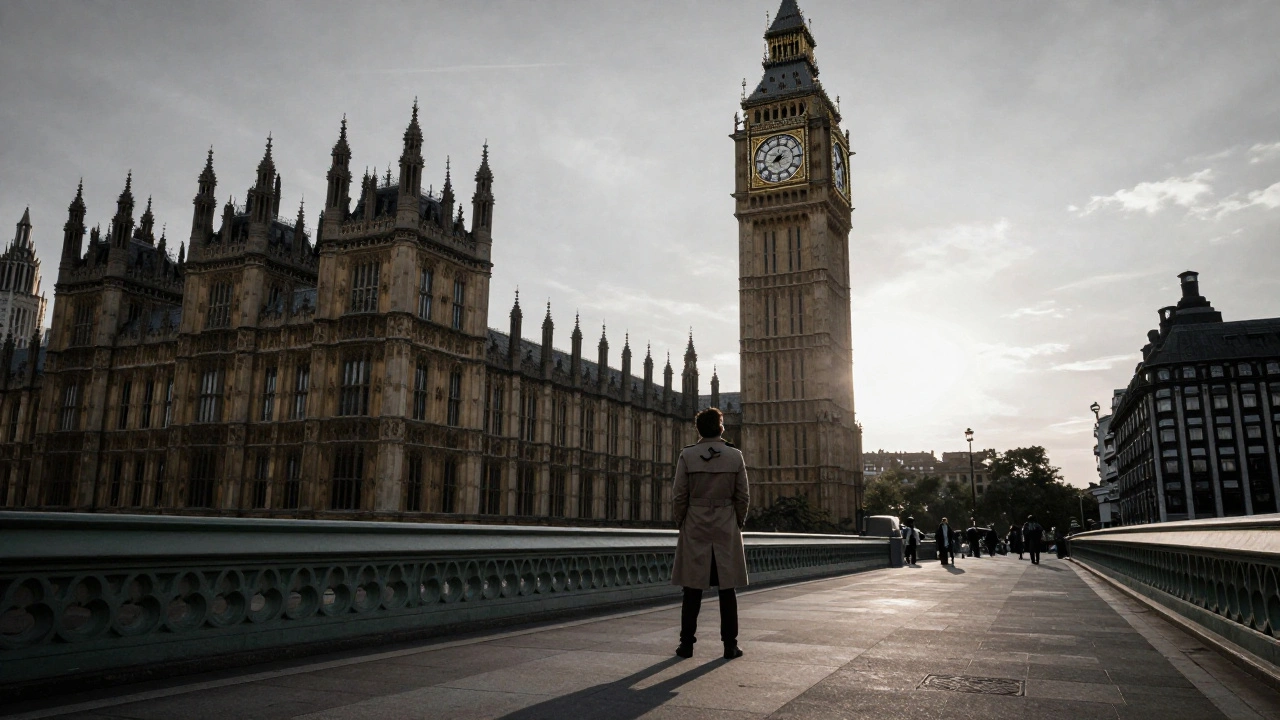
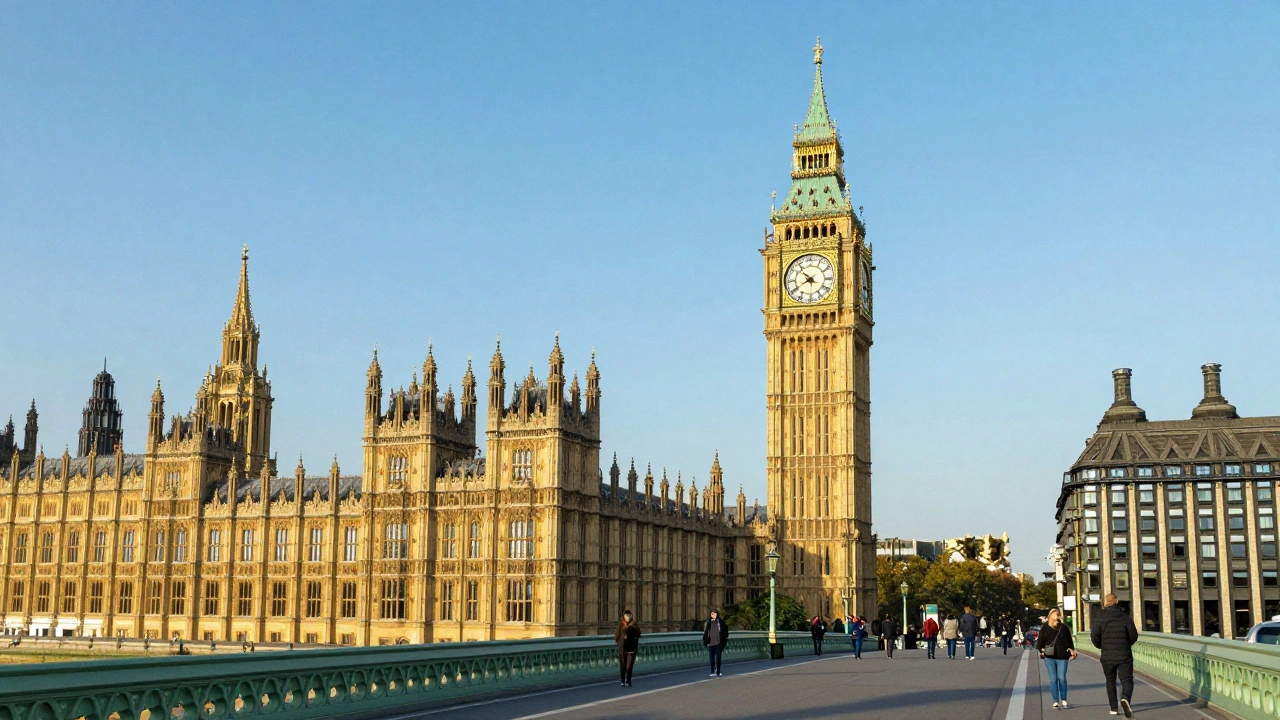
To understand its literary footprint, you must first see where it sits. It stands on the north side of the Palace of Westminster. From the riverbank, the sight is commanding. Authors used this visual dominance to symbolize authority. When a character stood near the House of Commons looking up, they weren't just seeing a clock; they were measuring their lives against the state itself. This spatial relationship creates tension in storytelling. The tower does not move; the characters rush beneath it. That contrast drives plots forward.
Dickens and the Sound of Time
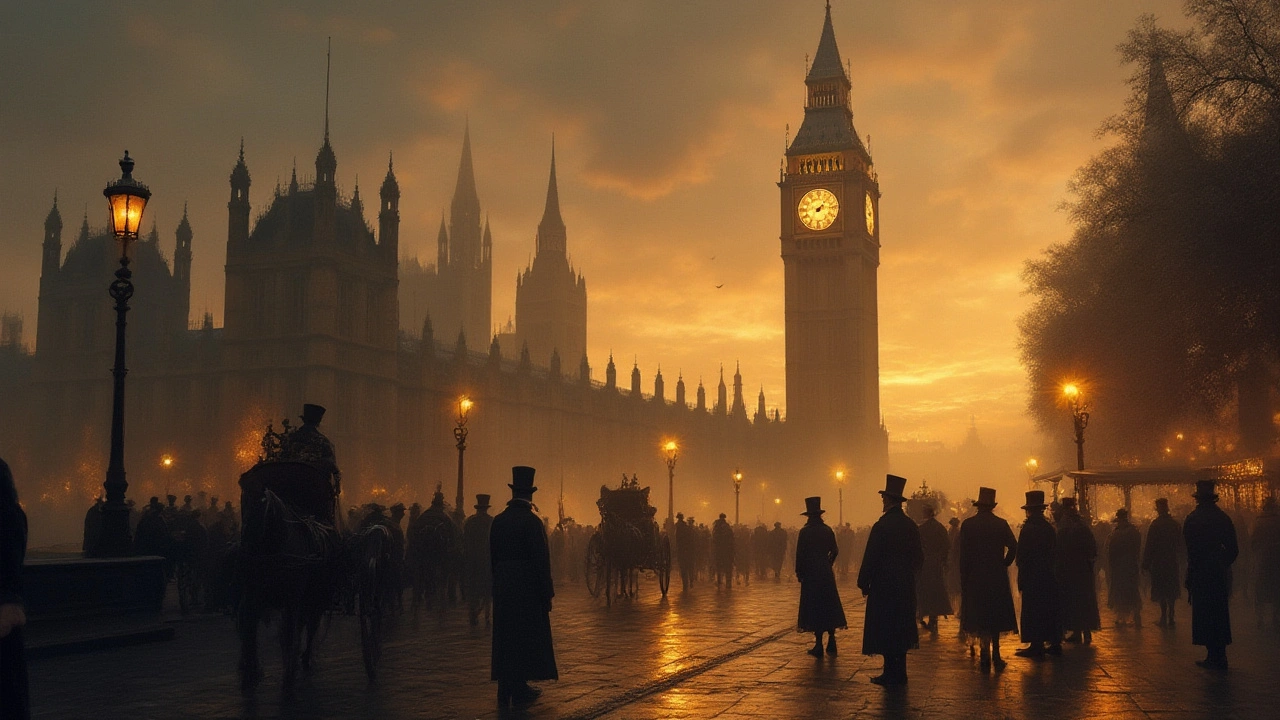
You cannot discuss the tower's role without starting with Charles Dickens. He lived and wrote during the mid-19th century when the clock was still relatively new. In works like A Christmas Carol, time is the antagonist. Scrooge fears the passing hours. While Dickens rarely names the clock directly, the sound permeates the atmosphere of Victorian London. The chiming marks the shift in seasons, the end of days, and the urgency of social change.
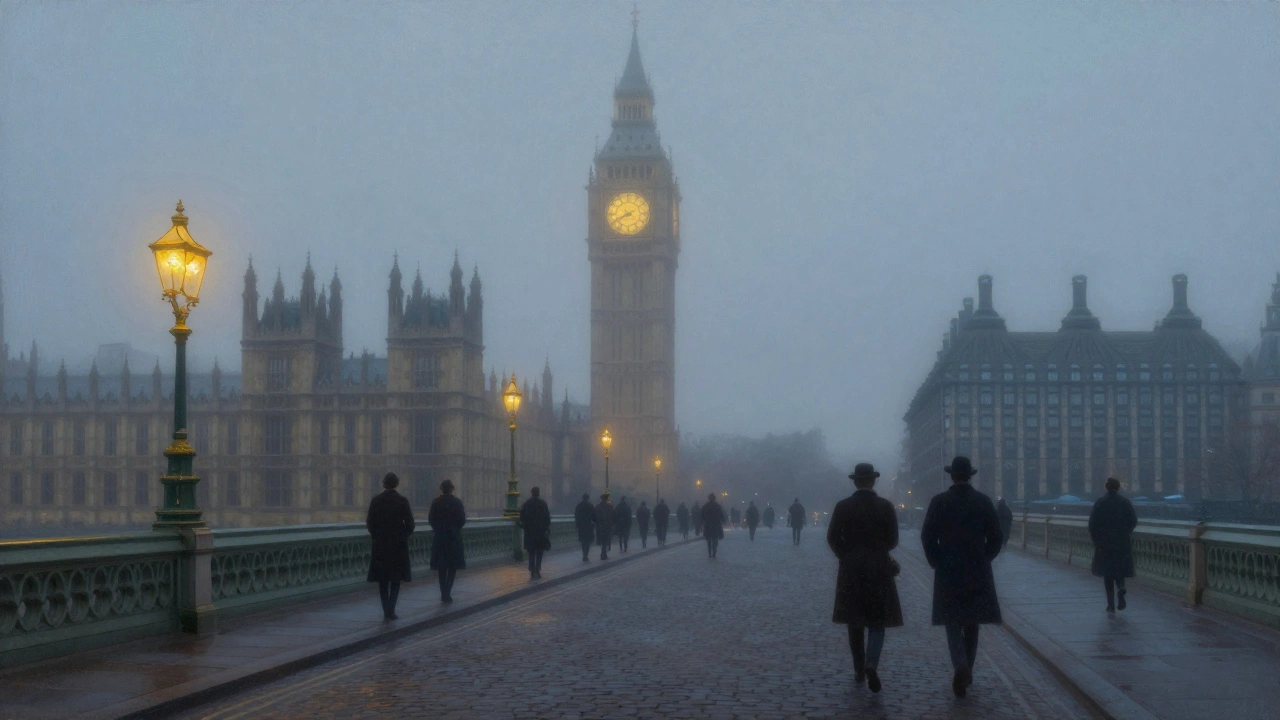
Think about the fog rolling off the Thames. The sound of the bell cutting through that damp air is a specific sensory detail that writers love. It signals safety or warning depending on the scene. In the city centre, hearing the bongs meant you were connected to the wider machine of government. For the poor in the slums nearby, it might have been a reminder of rent due or curfew approaching. This duality makes the location a rich backdrop for class struggle stories.
The Detectives’ Clock Tower
Mystery writers found the perfect tool for timing alibis. If a crime happened at half-past ten, the witness needed to prove they were somewhere else when the bells rang. Sir Arthur Conan Doyle knew this trick well. Sherlock Holmes frequently relied on precise London geography. The distance from Baker Street to the river became a puzzle where the clock tower played a crucial role in calculating travel times.
| Author | Era | Key Work | Clock Significance |
|---|---|---|---|
| Arthur Conan Doyle | Late 1800s | "The Final Problem" | Location for chases near Parliament |
| Agatha Christie | Mid 1900s | "Sparkling Cyanide" | Reference to London setting stability |
| Gilbert & Sullivan | Victorian | "Iolanthe" | Satire on MPs under the clock |
Agatha Christie also utilized London landmarks. In her later works, set in the 1940s and 50s, the clock represents stability amidst the chaos of war. During the Blitz, the tower was damaged, and the bells fell silent for a while. That silence entered the national psyche. Post-war literature often references the return of the bells as a symbol of resurrection. It wasn't just repair; it was healing.
War, Ruins, and Renewal
During World War II, the area around Westminster was a strategic target. Writers describing the London Blitz placed their protagonists near the river where debris drifted down the stream. The tower was shelled, and the hands were removed to protect them from vibration damage. This historical fact adds layers to fiction written about the 1940s. You read accounts of people huddling in the Houses of Parliament while the sky exploded above.
More recently, the restoration project completed in 2024 brought a fresh narrative. Before the scaffolding went up, there were complaints about noise and obstruction. Now, as we move into 2026, the public sees a fully restored icon. Modern fiction tends to reflect this restoration. The theme shifts from "lost heritage" to "preserved identity." Contemporary authors writing about Brexit or economic shifts in London often bring characters back to this spot to ground the story in something permanent.
Walking the Literary Route Today
If you want to experience the book locations yourself, start at Westminster Station. Head towards the river via Victoria Tower Gardens. This park offers the clearest unobstructed view that many authors describe. From here, you can look at the water flowing past the embankment wall. It is the same path taken by fictional detectives chasing clues.
- The Viewpoint: Stand near the pedestrian bridge leading to Parliament Square. This gives you eye level with the lower windows of the chambers.
- The Sound: Sit on the benches along the Victoria Embankment between 18:00 and 19:00 on weekdays to catch the full chime before the evening rush.
- Nearby Landmarks: Don't miss the statue of Oscar Wilde just opposite; he, too, frequented these grounds during his visits to the capital.
For those interested in local culture, visit the pubs nearby. The Red Lion in Warwick Court is a historic pub that has survived the wars and renovations. Writers loved such taverns. They are filled with locals discussing the day, much like the settings in older novels. It keeps the literary tradition alive beyond just the pages.
Fiction and Fact Blending
Why do writers keep coming back? Because the tower provides a universal anchor. Whether the genre is romance, horror, or political thriller, everyone understands what the clock represents. It is the heartbeat of the government. When the bell stops, panic sets in. When it rings, routine resumes. This symbolism is powerful. It allows an author to show the state of a country simply by describing whether the clock is working.
In today's digital age, screens rule. But standing by the Thames in March 2026, the mechanical chime is a stark contrast. It reminds us of physical mechanics in a virtual world. That is why the story doesn't end. The next generation of storytellers will continue to reference it, just as they did during the Restoration Project or the Jubilee celebrations. It remains the ultimate stage for British drama.
Frequently Asked Questions
Is Big Ben open to the public?
Public access is limited. You can visit the viewing gallery above the clock faces by booking tickets in advance through the Parliament website. However, general tours of the interior of the Palace of Westminster require separate registration.
What is the difference between Big Ben and the Elizabeth Tower?
Technically, Big Ben refers to the great bell inside the clock face. The Elizabeth Tower is the name of the tower structure built for Queen Elizabeth II's Golden Jubilee in 1999. Locals still commonly refer to the whole structure as Big Ben.
Does the clock ring every hour?
Yes, the clock strikes the hour. There is also a Westminster Chime played every fifteen minutes. Due to recent restoration efforts finished recently, the regular schedule has been fully reinstated across all services.
Which books feature this landmark prominently?
While often implied rather than named, it appears in many Sherlock Holmes stories, Agatha Christie novels set in London, and various war memoirs describing the Blitz. Dickens also referenced the auditory presence of the clock in Victorian London.
Can you see the lights from the river?
Absolutely. Taking a boat cruise on the Thames offers a unique perspective. The illumination of the tower changes color for royal events or national holidays, making it a visible guide from Waterloo Bridge to the City Pier.